





 0
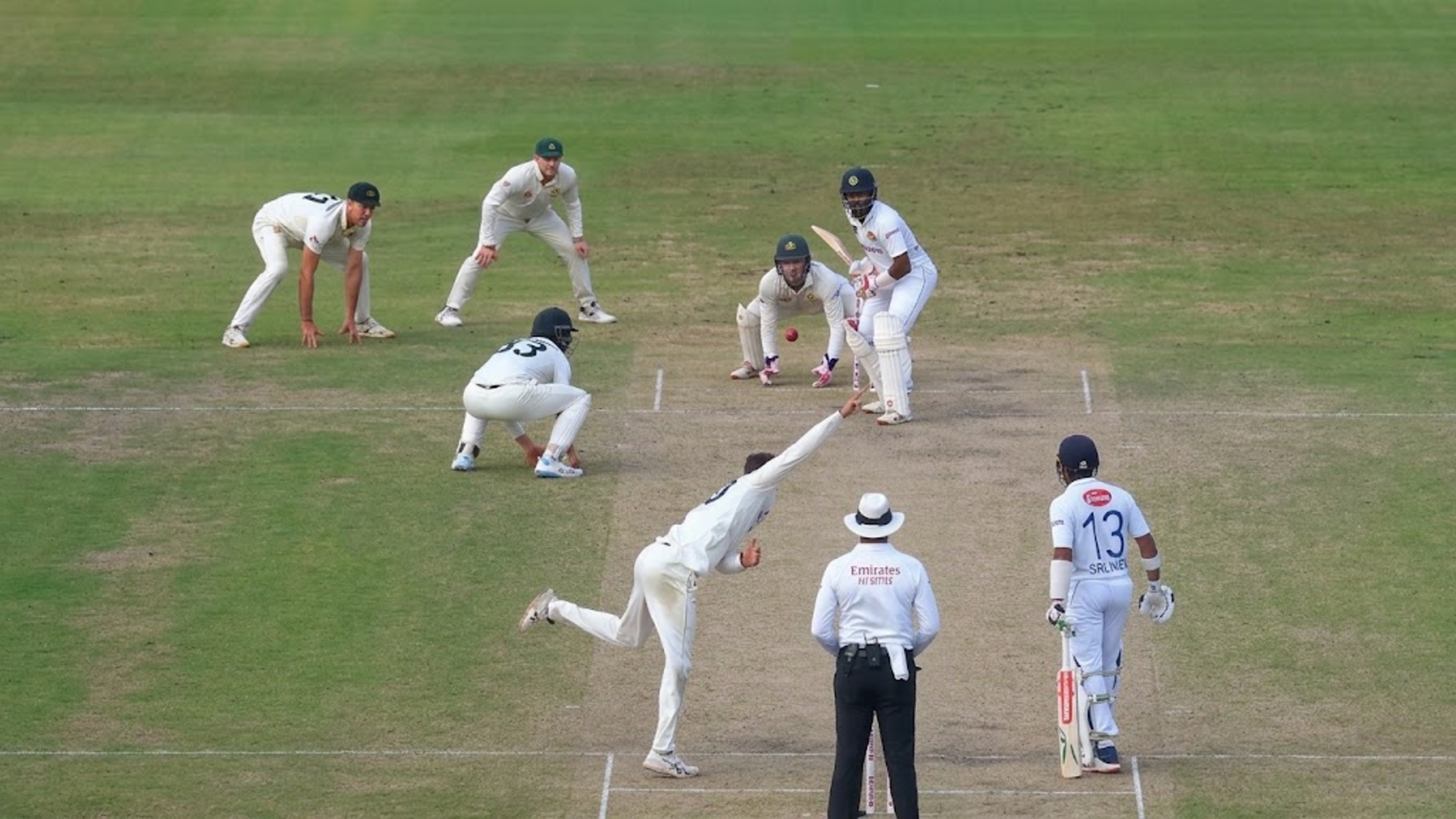
A Bowling Rule Could Decide Who Wins the World Test Championship
Australia missed the inaugural World Test Championship final in 2021 partly because of a penalty for bowling too slowly during a Boxing Day Test against India two years earlier. Their coach at the time, Justin Langer, admitted the team barely registered it in the moment. It ended up costing them a place in cricket's biggest match.
That's how the WTC's over-rate rule works. It's not a dramatic disqualification or a red card. It's a quiet points deduction that shows up on a table days or weeks later, and by the time anyone notices, it's already too late to fix.
How the penalty actually works
Under current rules, a team is docked championship points for every over it falls short of the required rate in a Test, once time allowances for drinks breaks, injuries and wicket celebrations are factored in. Players also face match-fee fines on top of that. It sounds like a minor bureaucratic footnote. In a table decided by points percentage rather than raw wins, it isn't.
England were docked 22 points across the 2023-25 WTC cycle alone, more than any other team in that period. South Africa, who went on to top the table heading into the most recent cycle's finalists, still lost 10 points to the same rule. Small deductions, applied consistently, add up to real movement in a standings table.
Why it can decide who plays the final
The WTC ranks teams by points percentage rather than total wins, because sides play unequal numbers of matches across the two-year cycle. That system is sensible on paper. It also means a two-point deduction for bowling a handful of overs too slowly can shift a team's percentage enough to swap their position with a direct rival.
That becomes especially significant late in a cycle, when teams have fewer opportunities left to recover lost points. A penalty that looked insignificant after one Test can become decisive after months of results have compressed the table. Teams aren't just competing against opponents anymore; they're competing against the clock, the regulations and their own ability to avoid giving away points.
A team can win a Test outright and still see their table position fall relative to expectations once the penalty for that same match gets applied. It's the kind of detail that rewards teams with disciplined over-rates almost as much as it rewards teams that actually win more cricket.
Why the rule exists at all
Slow over-rates aren't just an inconvenience. Deliberately grinding through fewer overs than required can be a tactic in itself, especially for a fielding side trying to run down the clock toward a draw. The ICC's points penalty is meant to remove the incentive to stall, by making sure the cost of playing slow shows up somewhere that actually matters.
Whether it succeeds is a separate question. Captains still get caught out by it most seasons, and the rule keeps deciding table positions in ways that have nothing to do with who bowled better or batted longer.
Should a championship built around a two-year points table let bowling speed quietly decide who reaches the final, or does that undercut the idea that the best team on the field should be the one that advances?

Sarajevo Back at the Heart of Regional MMA: SFC Returns with Explosive Matchups

How Buzzer Karma Works: Levels, Penalties, and What They Mean

Inside Buzzer's Latest Update (and Why It Changes How You Use the App)

Buzzer Introduces Ads Console: A New Era of Advertising Across the Entire Buzzer Ecosystem

Buzzer Is Evolving: From Quantity to Quality

Buzzer Now Has a Games Hub, and Tournaments Are Coming

Al Ittihad SC's Matches Are Now Live on Buzzer

Palm City vs Gulf United Ends in 1–1 Draw in UAE Second Division League Clash

"We Don't Take the Guy With the Camera." He Built His Own Club Anyway. Now He's Coming to Find You.

Building the Infrastructure Sports Tech Forgot


