





 0
An NFL Game in Melbourne Sold Out. That Doesn't Mean Melbourne Has NFL Fans Yet.
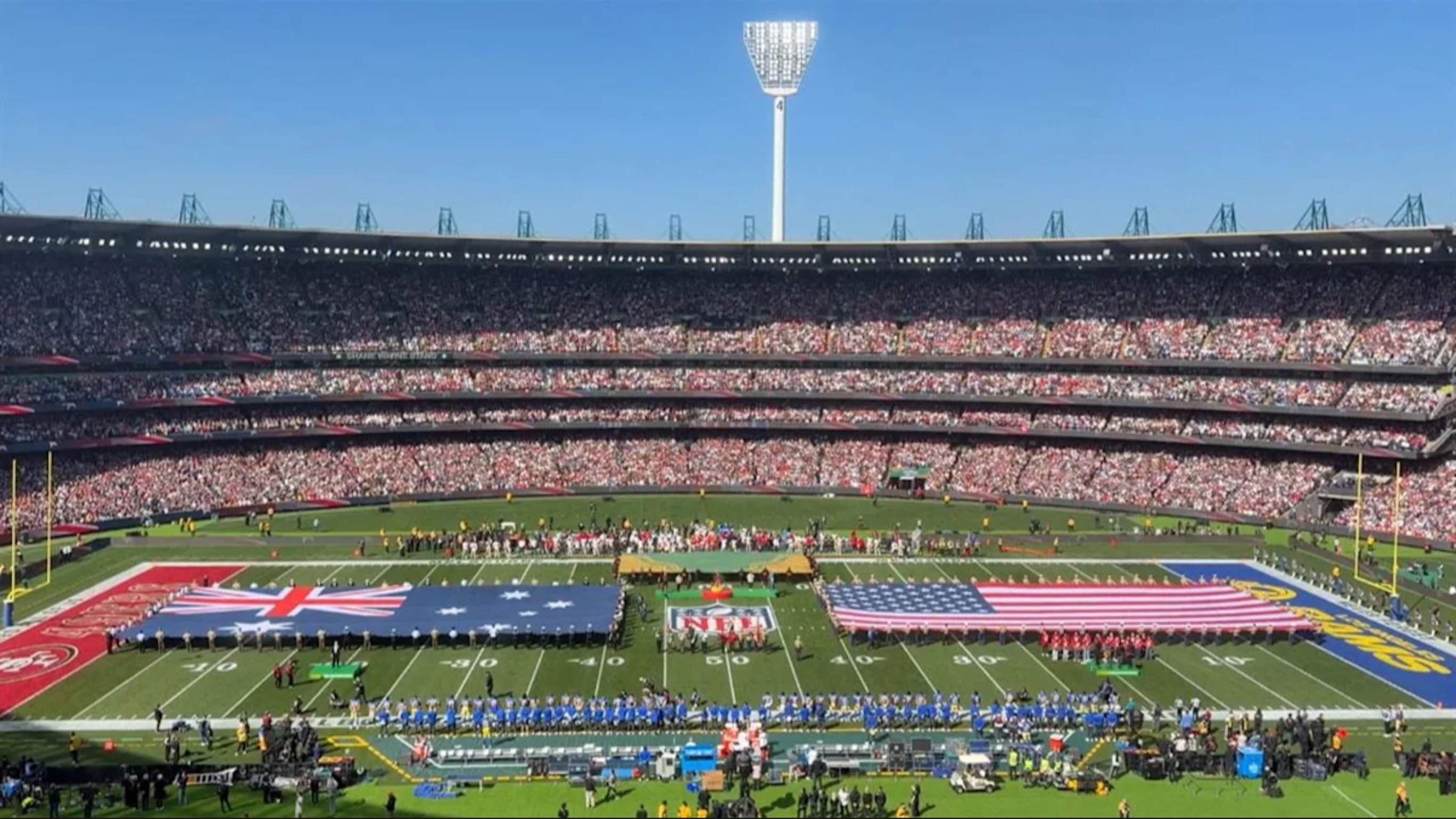
Roughly 100,000 people filled the Melbourne Cricket Ground on September 11 to watch the 49ers beat the Rams 27-7, part of a record nine international games the NFL is playing across four continents this season. That's a genuinely enormous crowd for a sport with no domestic professional league and no generational history in the country hosting it.
What that crowd size doesn't tell you is how many of those people will still be watching an NFL game, any NFL game, six months from now, once the traveling circus has moved to its next city.
The gap between an event and a fandom
Watching a live NFL game is an experience. Following a specific team through a 17-game season, caring about a division race in November, actually forming an emotional stake in a result, is a completely different kind of engagement, and it's the one that actually sustains a sport commercially over decades rather than for a single spectacular Thursday night.
The NFL's Global Markets Program tries to bridge that gap deliberately by assigning specific franchises marketing rights in specific countries, the Rams in Australia, the Jaguars in the UK, rather than treating international games as one-off exhibitions with no follow-through. That's a smarter structure than simply parachuting random matchups into stadiums abroad. It's still an open question whether it actually works.
What real fandom usually requires
Sports that have built genuine multi-generational followings outside their country of origin, football and cricket being the clearest examples, typically did it through decades of grassroots access: local leagues kids could actually play in, broadcast deals cheap or free enough for casual exposure to become habitual, and enough time for one generation's casual interest to become the next generation's inherited passion.
A single sold-out showcase game, however well executed, skips almost all of that. It creates a large, genuinely excited one-time audience. It doesn't, by itself, create the local infrastructure, youth participation or habitual viewing patterns that turn a great night out into a permanent fan base.
Why the NFL is betting on repetition anyway
Nine international games this season, likely rising further in future years, suggests the league's actual strategy isn't any single event converting fans on its own. It's sustained, repeated exposure over enough years that some meaningful percentage of one-time attendees turn into habitual ones, aided by streaming deals that make following an American team from Melbourne or London far easier than it would've been a decade ago.
The league isn't really selling one game. It is selling the possibility that one game becomes the first step toward a habit, and eventually a fan identity.
Whether that math actually works, whether enough repeated exposure eventually manufactures the kind of local roots a sport usually needs decades of homegrown history to build, is the real experiment the league is running. A sold-out stadium in Melbourne is evidence people will show up once. It isn't proof, yet, of what happens after they leave.

Sarajevo Back at the Heart of Regional MMA: SFC Returns with Explosive Matchups

How Buzzer Karma Works: Levels, Penalties, and What They Mean

Inside Buzzer's Latest Update (and Why It Changes How You Use the App)

Buzzer Introduces Ads Console: A New Era of Advertising Across the Entire Buzzer Ecosystem

Buzzer Is Evolving: From Quantity to Quality

Buzzer Now Has a Games Hub, and Tournaments Are Coming

Al Ittihad SC's Matches Are Now Live on Buzzer

Palm City vs Gulf United Ends in 1–1 Draw in UAE Second Division League Clash

"We Don't Take the Guy With the Camera." He Built His Own Club Anyway. Now He's Coming to Find You.

Building the Infrastructure Sports Tech Forgot


