





 1
Hungary Is Back in the Women's Basketball Elite. What Changed?
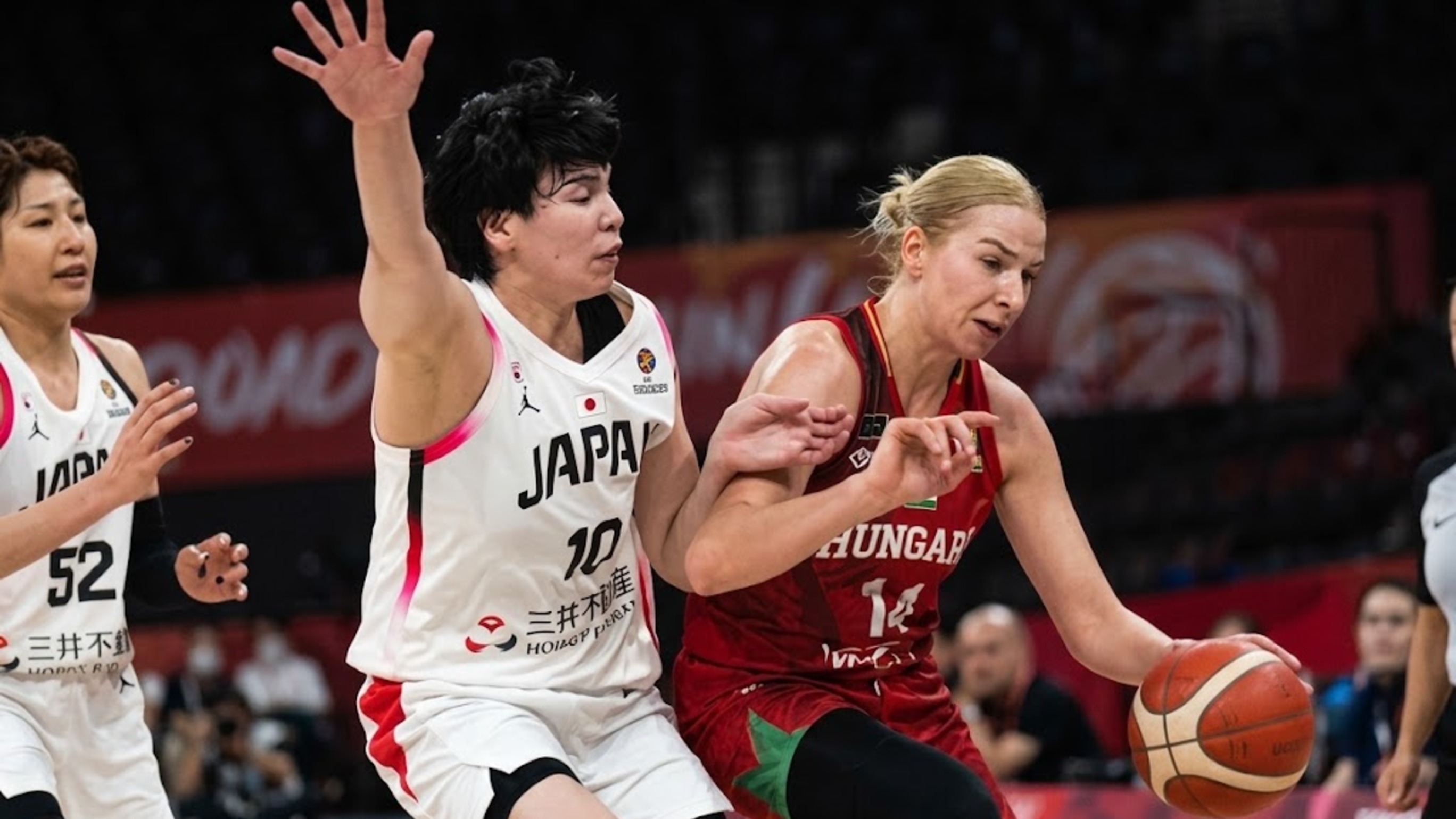
Hungary's FIBA Women's World Cup began with a blowout loss to France, the kind of opening result that usually signals a long, disappointing tournament for a team returning after a long absence from the sport's biggest stage. Instead, they won three straight games against Nigeria, Korea and Japan, and now sit in the quarterfinals facing the four-time defending champion United States.
That path matters more than the final scoreline of any single game. Teams that fold after a rough opener rarely find their way into the last eight. Hungary's did the opposite, and the way they got there says something about the program underneath the results.
Recovering from the worst possible start
Losing your opening match by a wide margin at a major tournament tends to snowball. Confidence drops, rotations get second-guessed, and the group stage math turns unforgiving fast. Hungary's coaching staff had to solve that immediately, with almost no margin for another slip against Nigeria, Korea or Japan.
They didn't just survive that stretch. They beat all three, climbing from a shaky start into genuine quarterfinal contention through a group that included a continental champion in Nigeria and an experienced Korean side. That's not the profile of a team that got lucky with a favorable bracket. It's the profile of one that adjusted mid-tournament and executed.
What a long absence from the world stage actually costs
Programs that spend years away from major tournaments lose more than just ranking points. They lose continuity in player development, familiarity with high-pressure international basketball, and the kind of institutional knowledge that only comes from repeated exposure to the sport's best competition. Returning after that kind of gap usually means a rebuilding tournament, not a quarterfinal run.
Hungary's return breaks that pattern. Whatever domestic investment or coaching changes preceded this World Cup cycle, they've produced a team capable of competing immediately rather than needing several tournament cycles to find its footing again.
The size of the challenge still ahead
None of this changes the fact that the United States remains the most dominant program in the sport's history, chasing a fifth straight title. Hungary is a clear underdog in Thursday's quarterfinal, and most reasonable projections have Team USA advancing comfortably.
But arriving at this stage at all, after the opening loss and the years away from this level of competition, is itself a marker worth separating from the outcome of the next game. Even a loss to the US wouldn't erase what this run has already demonstrated about the program's current state.
Why smaller basketball nations matter to the sport
International basketball benefits when programs like Hungary can climb back into relevance rather than the same handful of nations occupying every quarterfinal spot for a decade straight. It creates genuine unpredictability in group stages and gives more national federations a reason to keep investing in their women's programs, rather than treating international relevance as reserved for a fixed group of countries.
Hungary's run also offers a template worth studying for other mid-tier basketball nations: a bad start doesn't have to define a tournament, and recovering from one bad performance against the right opponents can still produce a genuine quarterfinal run.
What actually separates a national program that can recover from an opening blowout loss like Hungary's from one that spirals after the same result, and how much of that comes down to coaching rather than talent?

Sarajevo Back at the Heart of Regional MMA: SFC Returns with Explosive Matchups

How Buzzer Karma Works: Levels, Penalties, and What They Mean

Inside Buzzer's Latest Update (and Why It Changes How You Use the App)

Buzzer Introduces Ads Console: A New Era of Advertising Across the Entire Buzzer Ecosystem

Buzzer Is Evolving: From Quantity to Quality

Buzzer Now Has a Games Hub, and Tournaments Are Coming

Polo Al Taco Expands Its Global Reach Through Weekly Livestreams on Buzzer Arena TV

Al Ittihad SC's Matches Are Now Live on Buzzer

Palm City vs Gulf United Ends in 1–1 Draw in UAE Second Division League Clash

"We Don't Take the Guy With the Camera." He Built His Own Club Anyway. Now He's Coming to Find You.


