





 0

The WNBA Finals Needed a Bigger Arena. What Does That Reveal About Women’s Sports Venues?
The Atlanta Dream’s regular home holds 3,500 people for basketball. For the first WNBA Finals game in the Atlanta market since 2013, that wasn’t going to work.
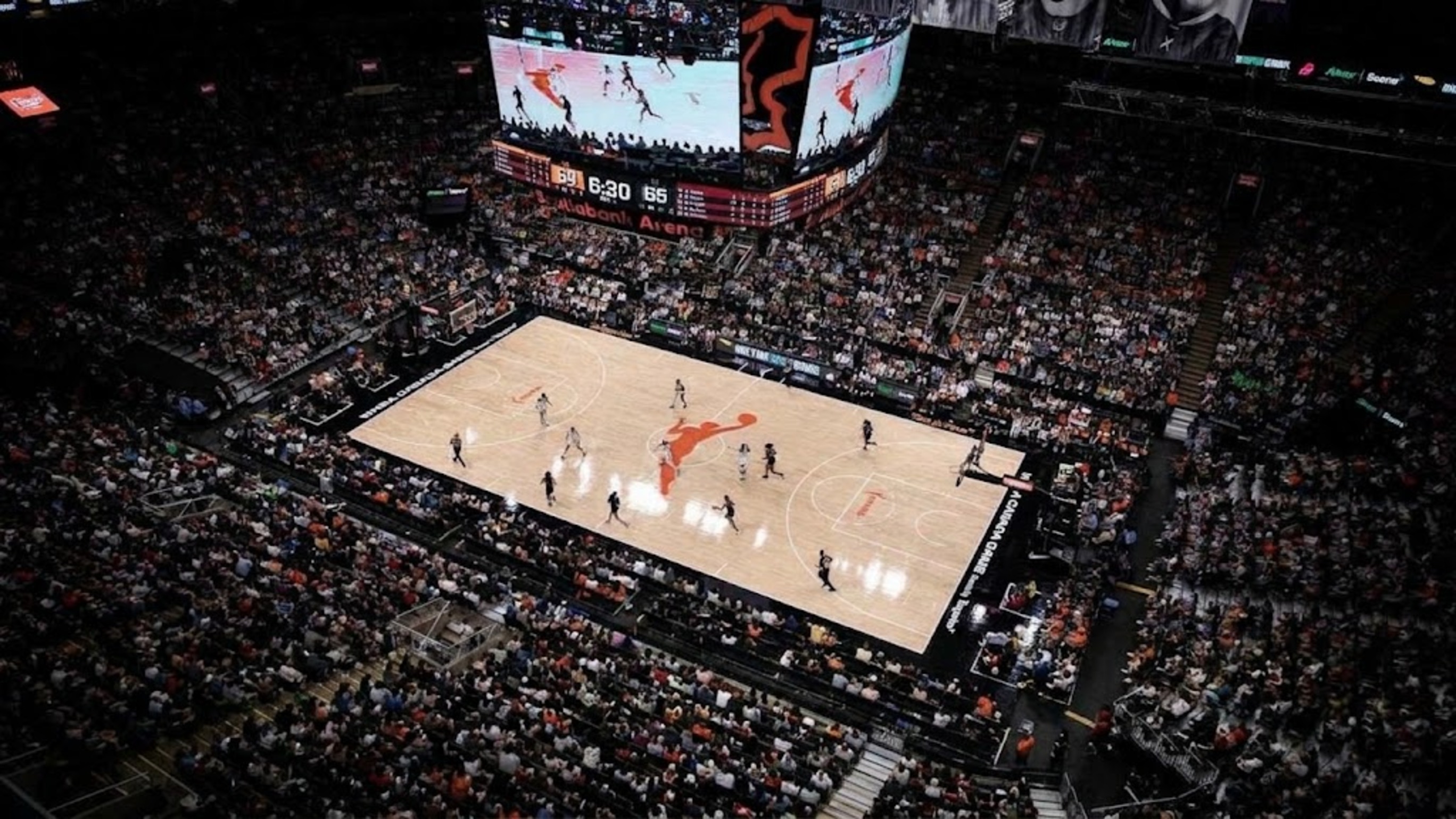
The league ended up moving Games 3 and 4 to State Farm Arena, the 17,044-seat home of the Atlanta Hawks. Game 3 was shifted a day earlier to Wednesday, October 21, and the Hawks changed the tip time of one of their own games to make room.
It took a lot of phone calls to get a championship series into a building that could hold it.
A Finals that almost didn’t fit
The problem was scheduling. State Farm Arena had a Sombr concert booked for October 22 and Hawks home games on other dates. The Dream had played six of their 22 regular-season home games there, along with all three previous home playoff games, and wanted to stay. Their usual home, Gateway Center Arena in College Park, has been their base since 2021.
At one stage it looked as though the biggest games in franchise history might be played in the smaller arena. League commissioner Cathy Engelbert said the venue change dramatically expands capacity and lets the Dream provide an extraordinary atmosphere. A team statement thanked the Valkyries, the Hawks, the NBA, the WNBA and both leagues’ broadcast partners for a complex undertaking.
The league also noted that thousands more fans across the Southeast would be able to attend. That’s the good news. The less comfortable news is that the arrangement needed a Doja Cat concert in San Francisco to move as well, since Chase Center’s 18,064-seat arena had its own conflict.
What the numbers say, and what they don’t
The demand story is real, but it isn’t simple. The six regular-season Dream games at State Farm Arena sold out. In their three earlier home playoff games there, the Dream averaged 9,695 fans per game, about 57 percent of capacity.
That’s still almost three times the capacity of Gateway Center Arena, which is why the move mattered. It also means the case for bigger buildings is strongest for marquee dates. Early playoff rounds and ordinary regular-season games may not need 17,000 seats.
That nuance matters. One series doesn’t represent the whole women’s sports market, and a sold-out Finals game tells you less about a Tuesday night in June than about a franchise at its peak.
Who really controls the calendar
The part that stands out most is how many other events had a say. A concert, an NBA game and a pair of television partners all shaped when the WNBA’s biggest games could be played. The Dream’s Game 6, if needed, was uncertain too, because the Hawks had another home game booked.
That’s what it means to rent a building on someone else’s schedule. Most women’s franchises share arenas with men’s teams that own the best dates. The women’s game is growing quickly, but its biggest moments still depend on whether a larger tenant is free.
The Dream have already moved to fix it. The team signed a multiyear deal earlier this month to play all of its 2027 home games at State Farm Arena. That solves the Dream’s problem, and the broader question stays open: what happens in cities where the best arena isn’t available, or where a franchise can’t fill it?
Is bigger always better?
There’s an argument for smaller buildings. A 3,500-seat arena is hard to fill but easy to make loud. A half-empty 17,000-seat venue can feel flat on television, and atmosphere is part of the product. Some fans prefer the intimacy, and a few players have said they enjoy playing in the smaller space.
But a championship series is different. Fans in the Southeast who wanted to attend a Finals game now have more than 17,000 seats to share instead of 3,500. For a league trying to attract a larger audience, that’s a better outcome than a sold-out small arena with thousands of people locked out.
The trick is building a system where that choice doesn’t depend on a series of favors. Guaranteeing large venues for the Finals would be one way, and the league has now seen what happens when it doesn’t.
Should the WNBA require every team to commit to a Finals-sized arena in advance, or is a smaller, louder home court part of what makes the league special?

Sarajevo Back at the Heart of Regional MMA: SFC Returns with Explosive Matchups

How Buzzer Karma Works: Levels, Penalties, and What They Mean

Inside Buzzer's Latest Update (and Why It Changes How You Use the App)

Buzzer Introduces Ads Console: A New Era of Advertising Across the Entire Buzzer Ecosystem

Buzzer Is Evolving: From Quantity to Quality

Polo Al Taco Expands Its Global Reach Through Weekly Livestreams on Buzzer Arena TV

Buzzer Now Has a Games Hub, and Tournaments Are Coming

Al Ittihad SC's Matches Are Now Live on Buzzer

Palm City vs Gulf United Ends in 1–1 Draw in UAE Second Division League Clash

"We Don't Take the Guy With the Camera." He Built His Own Club Anyway. Now He's Coming to Find You.


