





 0

Why Is Indonesia So Important to Badminton, and What Does It Take to Stay at the Top?
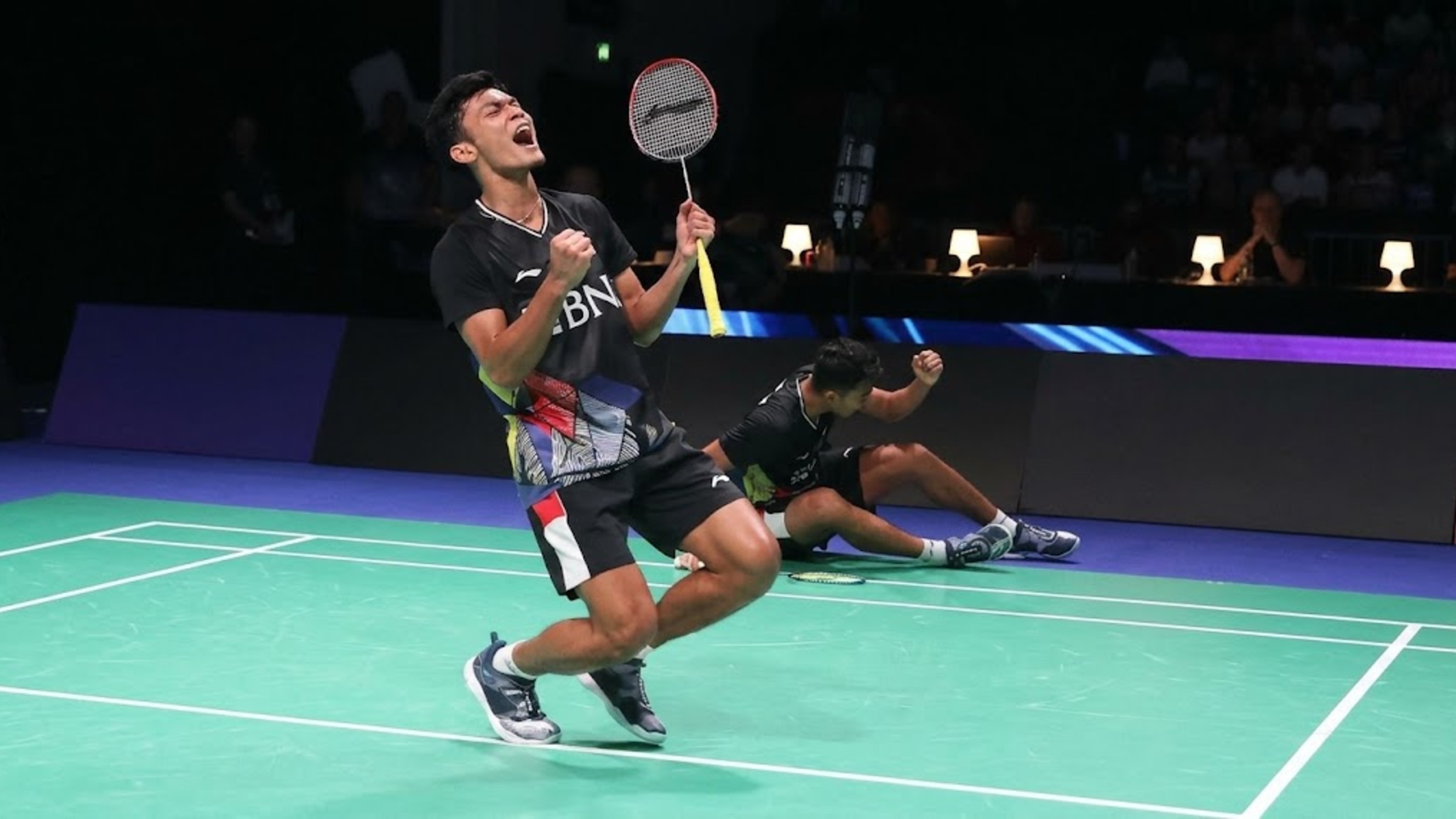
On October 18, at the Denmark Open in Odense, Fajar Alfian and Muhammad Shohibul Fikri beat Malaysia’s Aaron Chia and Soh Wooi Yik 21-8, 21-11 in the men’s doubles final. It took 31 minutes.
It was a one-sided result in a sport where Indonesia has had a complicated year. Fajar and Fikri were the best story. Elsewhere, the picture was more mixed. That mix is a good place to start, because staying at the top of badminton is harder than reaching it.
A culture that sits at the center of the sport
Indonesia has won more Thomas Cups than any other nation, and the country’s first Olympic gold medal in any sport came from badminton, in 1992, through Susi Susanti and Alan Budikusuma. The sport has a status in Indonesia that few sports have anywhere, with packed halls and national attention for major tournaments.
The Indonesia Open, held every June at Istora Senayan in Jakarta, is one of the biggest dates on the calendar. The 2026 edition ran from June 2 to 7 and was won by Denmark’s Anders Antonsen in the men’s singles and South Korea’s An Se-young in the women’s singles. Indonesia named a 21-player squad for it.
That shows both the strength and the challenge. The country hosts one of the sport’s great events, and the biggest prizes there went elsewhere.
A year of contrasts
Results in 2026 have been uneven. Indonesia’s men’s team lost 1-4 to France in the Thomas Cup group stage, according to Tempo, and failed to reach the knockout rounds. China defended its title. The women’s team did better, reaching the Uber Cup semifinals after beating Denmark.
Then came Odense. Fajar and Fikri won the Denmark Open, having been runners-up at the Singapore Open earlier in the year, where they lost to India’s Satwiksairaj Rankireddy and Chirag Shetty.
So within a few months, Indonesia saw a group-stage exit in the men’s team event and a title in men’s doubles. The easy reading is that the country’s doubles pairs carry the sport. A more careful reading is that its depth is uneven, with strong pairs and a thinner bench elsewhere.
What it takes to stay on top
Sustained success in badminton depends on a pipeline. That means talent identification at a young age, coaches who can develop players through different stages, and a club and federation structure that keeps them competing at a high level.
It also depends on fresh players coming through as stars age. A country can win with a handful of top pairs for a few years, but it needs new ones to replace them. That’s where the Thomas Cup exit matters. Team events reveal depth, because they require several players to perform in the same tie.
Public interest helps too. Indonesia’s fans create an environment where players grow up wanting to be badminton stars. That’s an advantage that’s hard for other countries to replicate, although it also creates pressure, because expectations are enormous.
The risk of relying on stars
There’s a danger in a system that depends on a few individuals. When a leading pair is injured or loses form, results can fall quickly. Singles, in particular, can be unpredictable, and an entire team campaign can hinge on one match.
Indonesia has addressed this in part by blending youth and experience. A young squad went to the Uber Cup and reached the semifinals, which is a sign that the next generation is arriving. The Thomas Cup shows the work isn’t done.
China’s recent record points to another approach. Its team defended the Thomas Cup title in 2026, and its strength comes from depth across disciplines. Whether Indonesia can build a system that matches that consistency remains the central question.
Why it matters beyond Indonesia
Badminton is a global sport with a strong presence in Asia and growing interest in Europe. Denmark, France and others are producing champions, and the competition is tougher than it used to be.
That makes Indonesia’s position important. A strong Indonesian team brings crowds, television audiences and a rivalry with China, Malaysia, Japan and others that gives the sport much of its energy. For the country, the challenge is keeping that position as the field gets deeper.
Does a sporting nation need a superstar to stay at the top, or can a deep system of mid-ranked players do the job?

Sarajevo Back at the Heart of Regional MMA: SFC Returns with Explosive Matchups

How Buzzer Karma Works: Levels, Penalties, and What They Mean

Inside Buzzer's Latest Update (and Why It Changes How You Use the App)

Buzzer Introduces Ads Console: A New Era of Advertising Across the Entire Buzzer Ecosystem

Buzzer Is Evolving: From Quantity to Quality

Polo Al Taco Expands Its Global Reach Through Weekly Livestreams on Buzzer Arena TV

Buzzer Now Has a Games Hub, and Tournaments Are Coming

Al Ittihad SC's Matches Are Now Live on Buzzer

Palm City vs Gulf United Ends in 1–1 Draw in UAE Second Division League Clash

"We Don't Take the Guy With the Camera." He Built His Own Club Anyway. Now He's Coming to Find You.


