





 1
No Heats, $10 Million, 28 Champions: Did Athletics Just Find Its Future?
No qualifying rounds. No heats to sit through before the athletes you actually came to watch. Every single event at the inaugural World Athletics Ultimate Championship was a final, from the first evening to the last.
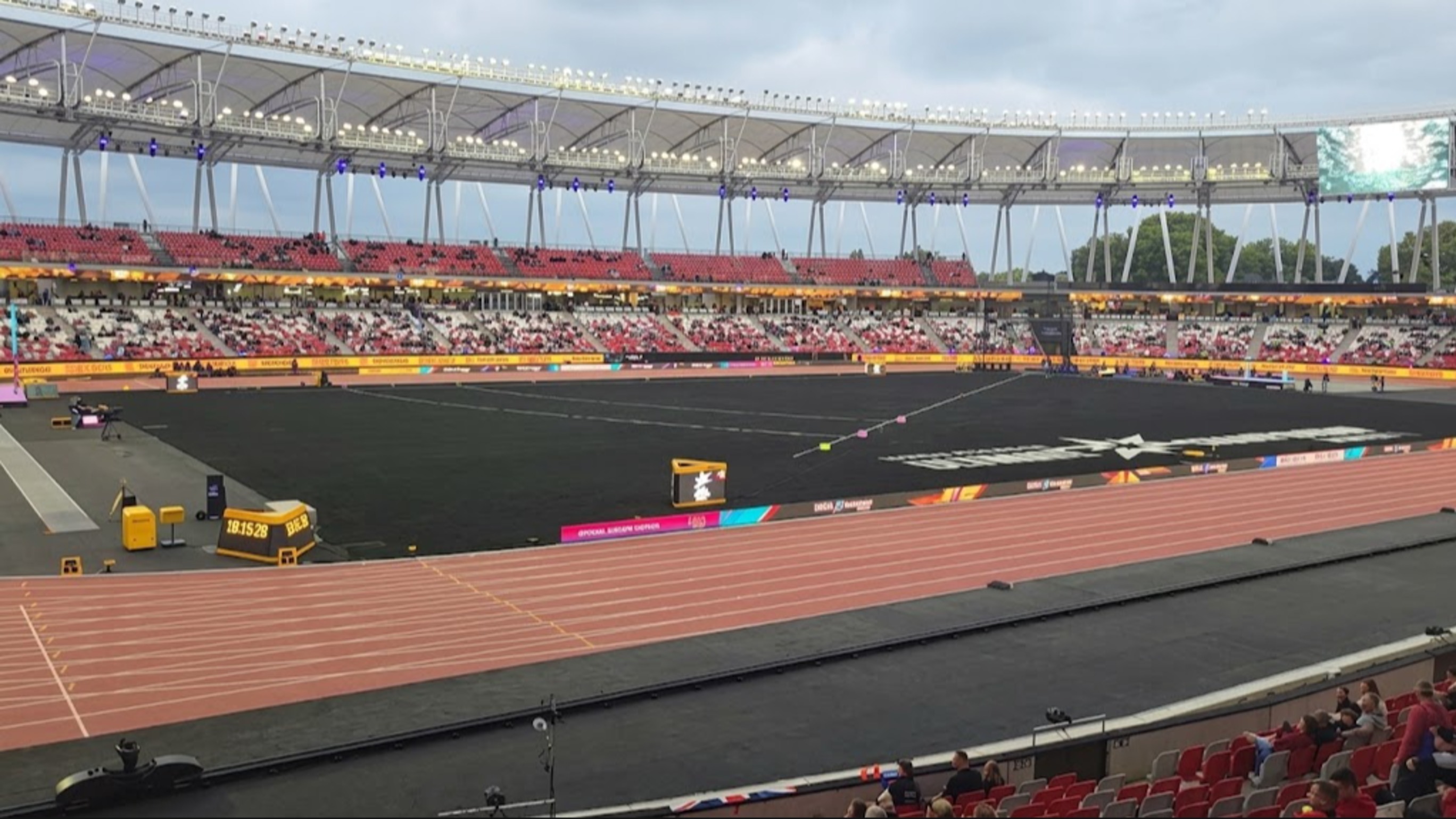
Three days later, in Budapest, all three sessions had sold out, drawing 61,671 spectators across the event, with 28 Ultimate champions crowned. The obvious question isn't whether people showed up. They clearly did. The real question is whether the format itself actually changed anything about how track and field works as a spectator sport.
What made this genuinely different from a normal meet
Every athlete competing had already earned their place among the sport's absolute elite, restricted to Olympic champions, world champions, and Diamond League winners. That eligibility bar is what made the finals-only format possible in the first place. A regular meet needs heats because it's pulling from a wide field of competitors at different levels. This event didn't have that problem, because everyone on the start line had already cleared that bar somewhere else.
The prize money backed up the ambition. Total purse ran to $10 million, the largest in the sport's history, with individual gold medalists receiving $150,000 each, a figure that dwarfs typical Diamond League payouts.
The verdict from the man who built it
"It has always been my mantra that athletes must be front and centre, this inaugural edition of the Ultimate Championship captured that unequivocally," World Athletics President Sebastian Coe said after the closing session. "This new global championship provided the platform, and our stars rose to the occasion, showcasing not only their athletics prowess as the best battled the best, but also their personalities, on and off the field of play."
What's actually new versus what's just better marketing
Here's the harder question worth sitting with. A finals-only, best-against-best event with a massive prize purse isn't a completely novel idea. The Diamond League Final already does something similar on a smaller scale. What the Ultimate Championship adds is scale, stakes, and a biennial slot specifically positioned as a season finale, distinct from the World Championships and Olympics that already anchor the calendar.
Whether that's genuine innovation or simply a bigger, better-funded version of an existing concept depends on what happens next. A one-off event drawing strong crowds proves the concept can work once, in a city with proven infrastructure and built-in goodwill from a recent championships run. It doesn't yet prove the format travels, or that the novelty holds up on a second and third edition once the "first ever" framing wears off.
Why this matters beyond one weekend in Budapest
The first edition answered one question: can athletics sell a championship built around only its biggest stars and biggest stakes? Budapest suggests it can.
The harder question comes next. Can World Athletics make the same format feel essential when there is no “first ever” novelty left, and can another host city generate the same level of interest?
If it can, the Ultimate Championship could become a permanent part of athletics' global calendar. If attendance and attention fall away after the debut, Budapest may instead be remembered as a successful experiment that never quite became a new tradition.
The Ultimate Championship has proved the format can work once. Its second edition will show whether it can last.

Sarajevo Back at the Heart of Regional MMA: SFC Returns with Explosive Matchups

How Buzzer Karma Works: Levels, Penalties, and What They Mean

Inside Buzzer's Latest Update (and Why It Changes How You Use the App)

Buzzer Introduces Ads Console: A New Era of Advertising Across the Entire Buzzer Ecosystem

Buzzer Is Evolving: From Quantity to Quality

Buzzer Now Has a Games Hub, and Tournaments Are Coming

Polo Al Taco Expands Its Global Reach Through Weekly Livestreams on Buzzer Arena TV

Al Ittihad SC's Matches Are Now Live on Buzzer

Palm City vs Gulf United Ends in 1–1 Draw in UAE Second Division League Clash

"We Don't Take the Guy With the Camera." He Built His Own Club Anyway. Now He's Coming to Find You.


