





 0
MotoGP's New Generation Is Already Arriving. Senna Agius Is Part of a Bigger Change Coming in 2027
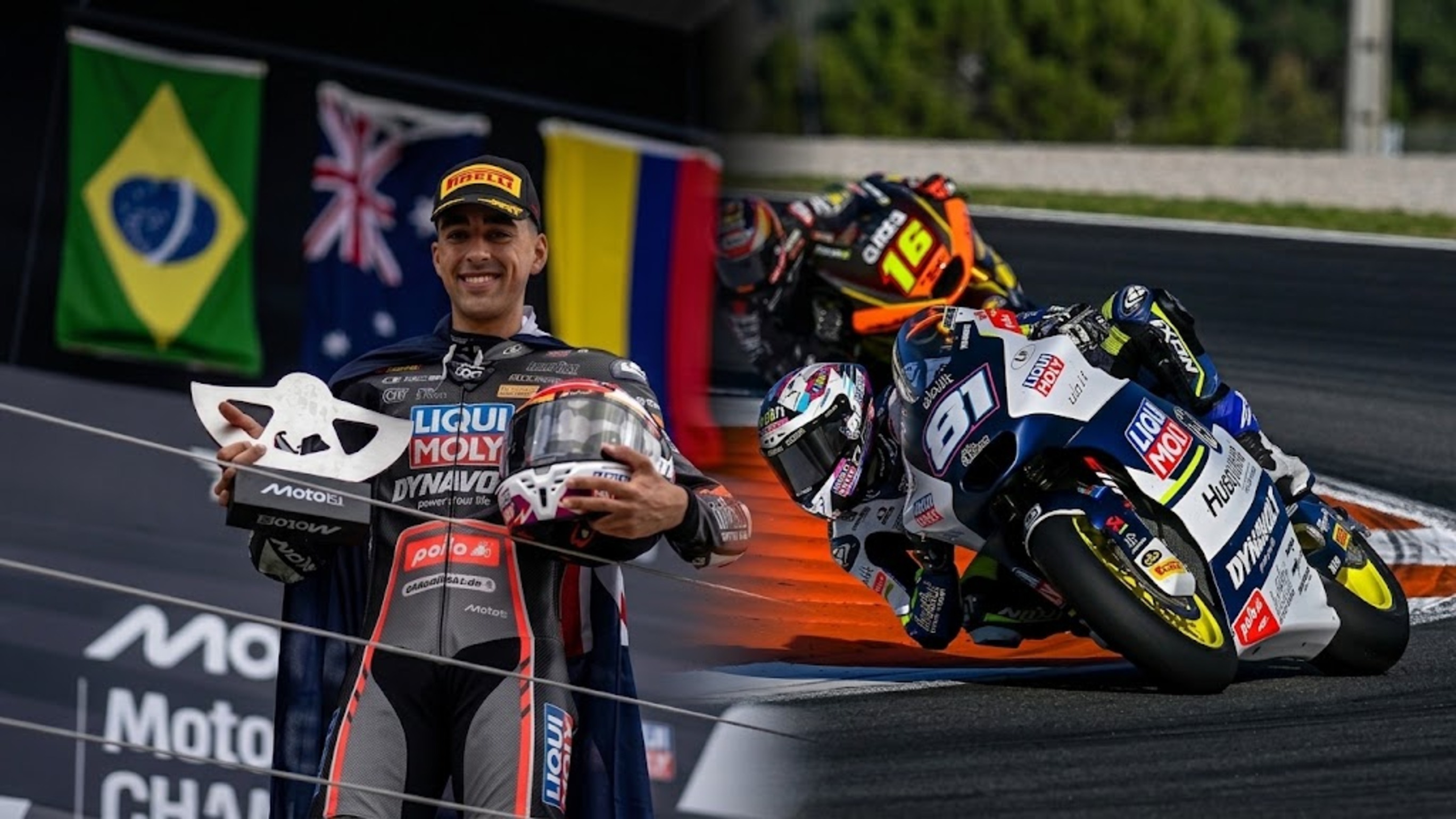
Senna Agius has agreed to join Tech3 KTM for 2027 and 2028, confirmed as teammate to Luca Marini in a deal reached with the Australian's manager, Chaz Davies, over the summer break. On paper, that's a rookie promotion, the kind of MotoGP silly season story that gets a headline and then fades.
It's actually something bigger. Agius isn't just filling a seat. He's arriving at the exact moment MotoGP rebuilds itself from the ground up.
Why 2027 isn't a normal rookie year
Tech3 team principal Guenther Steiner described 2027 as "a big reset for MotoGP," and he wasn't exaggerating for effect. New technical regulations land that year, changing the machinery every rider on the grid will be learning to ride at once. Normally, a rookie steps into a bike other riders already understand, chasing years of accumulated setup knowledge. In 2027, everyone starts from something close to zero.
That changes what it takes to survive the jump from Moto2. A rookie doesn't just need raw speed anymore. He needs to help build the bike's understanding from scratch, working alongside engineers who are equally in the dark about how the new machinery behaves under race conditions.
The head-to-head that decided the seat
Agius wasn't the only name in the conversation. He spent the season locked in a title fight with his own Intact GP teammate, Manuel Gonzalez, in Moto2, with both riders linked to the same Tech3 vacancy. KTM motorsport director Pit Beirer summed up the dilemma bluntly: "If you ask me today who's the better Moto2 rider? I'd say Gonzalez, no doubt about it. But as for who'll end up being the better MotoGP rider, I'm not so sure about that."
That's an unusually honest thing for a manufacturer boss to say about two riders competing for the same job. It also tells you something about how MotoGP promotions actually get decided. Current form matters less than projected ceiling, and Beirer's read was that Agius, younger and still developing, had more room to grow into whatever the 2027 bike turns out to demand.
What Agius is actually walking into
Tech3 will pair him with Marini, who arrives from three seasons at Honda HRC and brings the kind of technical, communicative riding style that helps a young team build a car around two very different skill sets. That pairing is deliberate. One experienced voice who knows how to develop a bike, one fast newcomer with nothing to unlearn from the old regulations.
It's a formula MotoGP teams have leaned on before, but rarely with this much riding on getting it right. The Australian market has also been pushing for a homegrown premier-class presence ahead of the sport's planned return to Adelaide, adding a commercial layer to a decision that was ultimately made on the timing sheets.
The bigger picture beyond one signing
Agius is one name in a wave. Across the 2027 grid, teams are expected to field several Moto2 graduates simultaneously, all learning the new machinery at the same time as their more experienced teammates. That's unusual. Normally rookies get thrown into a well-understood package and told to catch up. In 2027, the whole grid catches up together.
For a fan watching from outside the paddock, that's what makes next season worth paying attention to beyond the usual arrivals. It's not just new faces. It's new faces learning a genuinely new sport, at the same pace as riders who've been doing this for a decade.
Does a regulation reset that puts rookies on more even footing with veterans make for a fairer measure of raw talent, or does it just add more chaos to a season that's already unpredictable enough?

Sarajevo Back at the Heart of Regional MMA: SFC Returns with Explosive Matchups

How Buzzer Karma Works: Levels, Penalties, and What They Mean

Inside Buzzer's Latest Update (and Why It Changes How You Use the App)

Buzzer Introduces Ads Console: A New Era of Advertising Across the Entire Buzzer Ecosystem

Buzzer Is Evolving: From Quantity to Quality

Buzzer Now Has a Games Hub, and Tournaments Are Coming

Al Ittihad SC's Matches Are Now Live on Buzzer

Palm City vs Gulf United Ends in 1–1 Draw in UAE Second Division League Clash

"We Don't Take the Guy With the Camera." He Built His Own Club Anyway. Now He's Coming to Find You.

Building the Infrastructure Sports Tech Forgot


