





 1

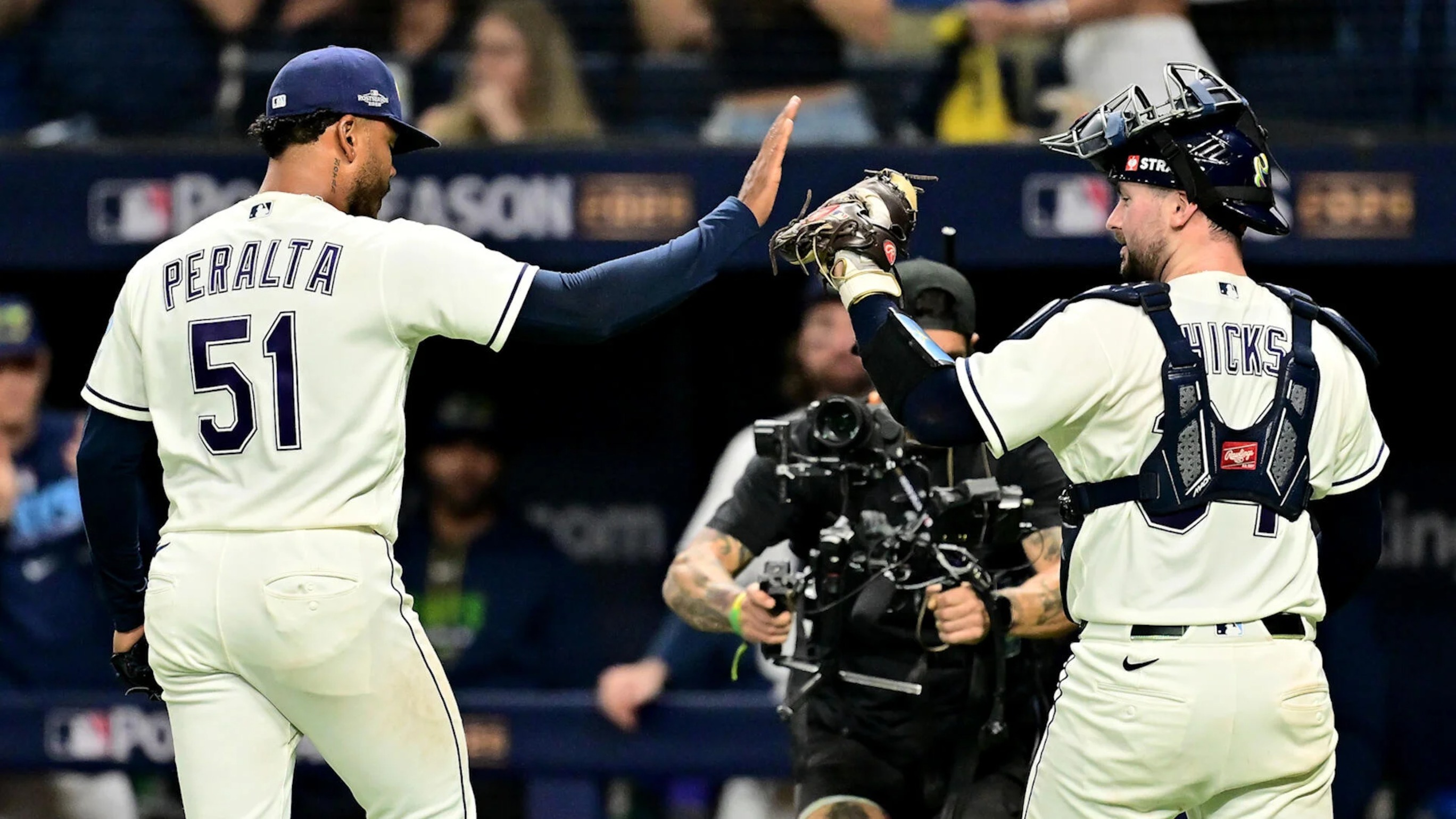
Freddy Peralta’s Playoff Run Raises a Question About When a Pitcher Peaks
Freddy Peralta spent last October on the wrong end of an NLCS, pitching for the Milwaukee Brewers when the Dodgers swept them. This October, he’s pitching for the team that gets to face them in the World Series. That’s a strange sentence to write about a pitcher the Mets traded at the deadline after a 4.99 ERA.
The result is one of the more interesting individual stories of the playoffs, and it comes with a question that baseball has never answered well: what does it mean for a pitcher to peak?
From the Mets to the Rays
Peralta is 30. At the trade deadline, the Rays acquired him from a Mets team he’d been struggling with. In ten starts after the move, he went 5-2 with a 3.25 ERA, 43 strikeouts and 15 walks over 55 1/3 innings.
September was better. He went 4-0 with a 0.96 ERA and won the American League Pitcher of the Month award. Over his last six regular-season starts, he allowed three runs in 34 innings, an ERA of 0.79. Those numbers came from the same arm that posted a 4.99 ERA a few weeks earlier. That’s the part that makes people argue.
The ALCS game that stood out
In Game 2 of the ALCS against Cleveland, Peralta threw six scoreless innings in a 3-1 Rays win. He allowed four hits and two walks and struck out six. It was the first time in eight postseason starts he’d gone six innings.
His manager, Kevin Cash, pointed to the velocity, saying it really stood out. Peralta himself said adrenaline plays a big role. Both are about as honest as pitchers and managers usually get.
By the end of that game, his ERA since August, including playoffs, was 0.81, with one run allowed in 10 2/3 postseason innings. The Rays needed it, since left-hander Shane McClanahan is out for the postseason with forearm tightness.
What changed, and what the numbers can’t say
There’s an obvious temptation to explain all this. A new team, a new pitch mix, a mechanical tweak, a better defense behind him. Some of those may be true. The public record says what happened, though, and doesn’t say why, so anyone claiming certainty is guessing.
What can be said is narrower. The velocity is up. The results are better. And the change coincided with a move to a club that has spent years finding value in pitchers other teams have written off.
That fits a pattern the Rays share with the Brewers in this series, two teams that don’t have the biggest payrolls and have built around finding the right fit rather than the biggest name.
Why peaks are hard to predict
Baseball tends to talk about pitchers as if they follow an age curve. Rise, plateau, decline. Peralta’s season suggests the curve has a lot of noise in it. A pitcher who looks average in April can look like an ace in October, and neither version is fake.
The postseason adds another layer. Short series reward different things than 162 games. A starter might pitch fewer innings, face better hitters and come out of the bullpen’s shadow. Peralta’s first six-inning postseason start came in his eighth try, which says something about how the Rays have used him, and about how much of a postseason performance depends on how the manager uses the pitcher.
And there’s the matter of the opponent. Peralta spent years in Milwaukee, which means the Brewers have seen his arsenal from the other side of the dugout. That cuts both ways. They know his pitches, and he knows their hitters.
None of that tells us whether he’ll be this good next April. It only tells us he’s this good now, in the month that gets remembered. If a pitcher can go from a 4.99 ERA to the best stretch of his career in a matter of weeks, what does it actually mean to say a pitcher has peaked?

Sarajevo Back at the Heart of Regional MMA: SFC Returns with Explosive Matchups

How Buzzer Karma Works: Levels, Penalties, and What They Mean

Inside Buzzer's Latest Update (and Why It Changes How You Use the App)

Buzzer Introduces Ads Console: A New Era of Advertising Across the Entire Buzzer Ecosystem

Buzzer Is Evolving: From Quantity to Quality

Polo Al Taco Expands Its Global Reach Through Weekly Livestreams on Buzzer Arena TV

Buzzer Now Has a Games Hub, and Tournaments Are Coming

Al Ittihad SC's Matches Are Now Live on Buzzer

Palm City vs Gulf United Ends in 1–1 Draw in UAE Second Division League Clash

"We Don't Take the Guy With the Camera." He Built His Own Club Anyway. Now He's Coming to Find You.


