





 0

MMA Just Debuted at the Asian Games. It Had to Invent Its Own Governing Body to Get There.
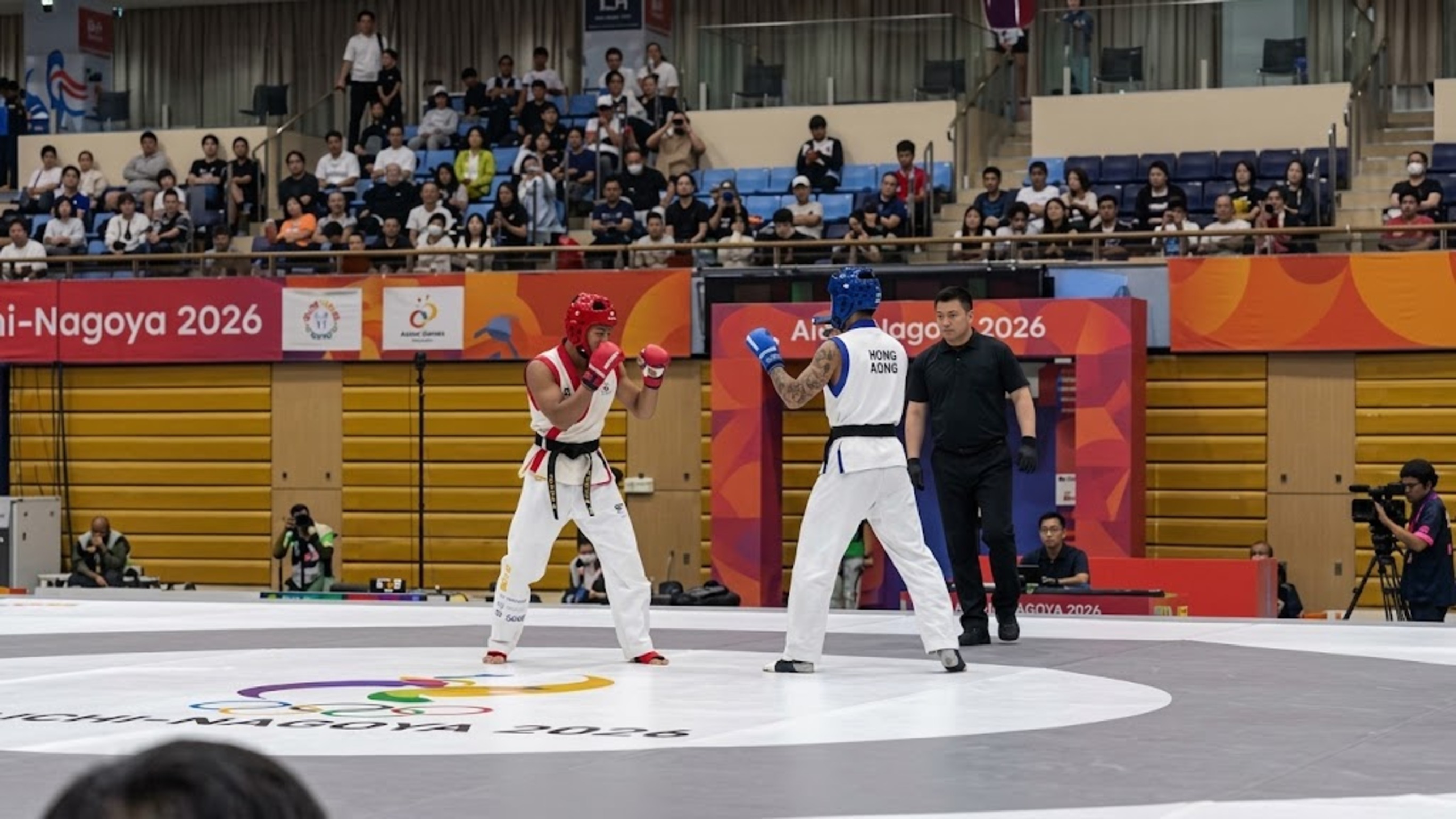
MMA competed at a major multi-sport event for the first time in its history this week in Nagoya, with six weight classes, four men's and two women's — fought on a flat mat with no fence or cage in sight. That single visual detail says everything about the compromise MMA had to make to earn this moment: the sport's fans know from arenas built around cages simply couldn't walk through the Olympic movement's door as it exists.
The Olympic Council of Asia confirmed MMA's inclusion back in May 2025. Getting from that announcement to six actual medal events took something MMA had never built before: a governing structure the Olympic system was willing to recognize.
Why the OCA built a brand-new federation instead of using an existing one
MMA already has international governing bodies, IMMAF chief among them, that have spent years lobbying for exactly this kind of mainstream recognition. The OCA chose not to align with any of them, instead creating the Asian Mixed Martial Arts Association from scratch specifically for this purpose, encouraging every national Olympic committee across the continent to stand up its own domestic MMA federation and join in.
That's a genuinely unusual path into a major multi-sport event. Most sports arrive already carrying a single, internationally recognized governing body that simply negotiates entry. MMA's fragmented landscape, multiple competing federations, no universal rulebook, made that approach impossible, forcing the OCA to essentially manufacture the institutional structure MMA lacked before it could let the sport compete at all.
What changed to make it safe enough for a mat instead of a cage
Elbow strikes are banned under the Nagoya ruleset. Knees to a grounded opponent are restricted. Athletes wear protective shin guards, equipment that would look out of place in a typical professional MMA promotion. Every one of those changes exists for the same reason: satisfying safety standards the Olympic movement expects, standards professional MMA as fans generally watch it was never built around.
That's not a small asterisk on the achievement. It's the actual price of entry. The version of MMA that debuted in Nagoya is deliberately, substantially different from what fills arenas under the sport's biggest professional promotions.
Why this still matters enormously for the sport
Suchika Tariyal's bronze for India, decided by a 700-gram weight tiebreak in an opening medal round, became the first Asian Games medal MMA has ever produced. For a sport that's spent decades building enormous global audiences while remaining locked out of the institutional legitimacy that boxing, judo, wrestling and taekwondo have held for generations, one bronze medal at one continental event is a genuinely significant crack in that door.
Governance, standardized rules and formal recognition remain real hurdles before Olympic inclusion becomes realistic. But MMA just proved those hurdles are navigable, provided the sport is willing to change enough about itself, no cage, restricted strikes, added protective gear, to fit through.
Is this modified, mat-based, protective-gear version of MMA still recognizably the same sport that built the audience it's now trying to leverage for legitimacy, or has the compromise required to enter the Olympic system changed MMA into something genuinely different?

Sarajevo Back at the Heart of Regional MMA: SFC Returns with Explosive Matchups

How Buzzer Karma Works: Levels, Penalties, and What They Mean

Inside Buzzer's Latest Update (and Why It Changes How You Use the App)

Buzzer Introduces Ads Console: A New Era of Advertising Across the Entire Buzzer Ecosystem

Buzzer Is Evolving: From Quantity to Quality

Polo Al Taco Expands Its Global Reach Through Weekly Livestreams on Buzzer Arena TV

Al Ittihad SC's Matches Are Now Live on Buzzer

Buzzer Now Has a Games Hub, and Tournaments Are Coming

Palm City vs Gulf United Ends in 1–1 Draw in UAE Second Division League Clash

"We Don't Take the Guy With the Camera." He Built His Own Club Anyway. Now He's Coming to Find You.


