





 1
Athletics Championship With No Medals. It Might Be the Smartest Thing the Sport Has Done In Years.
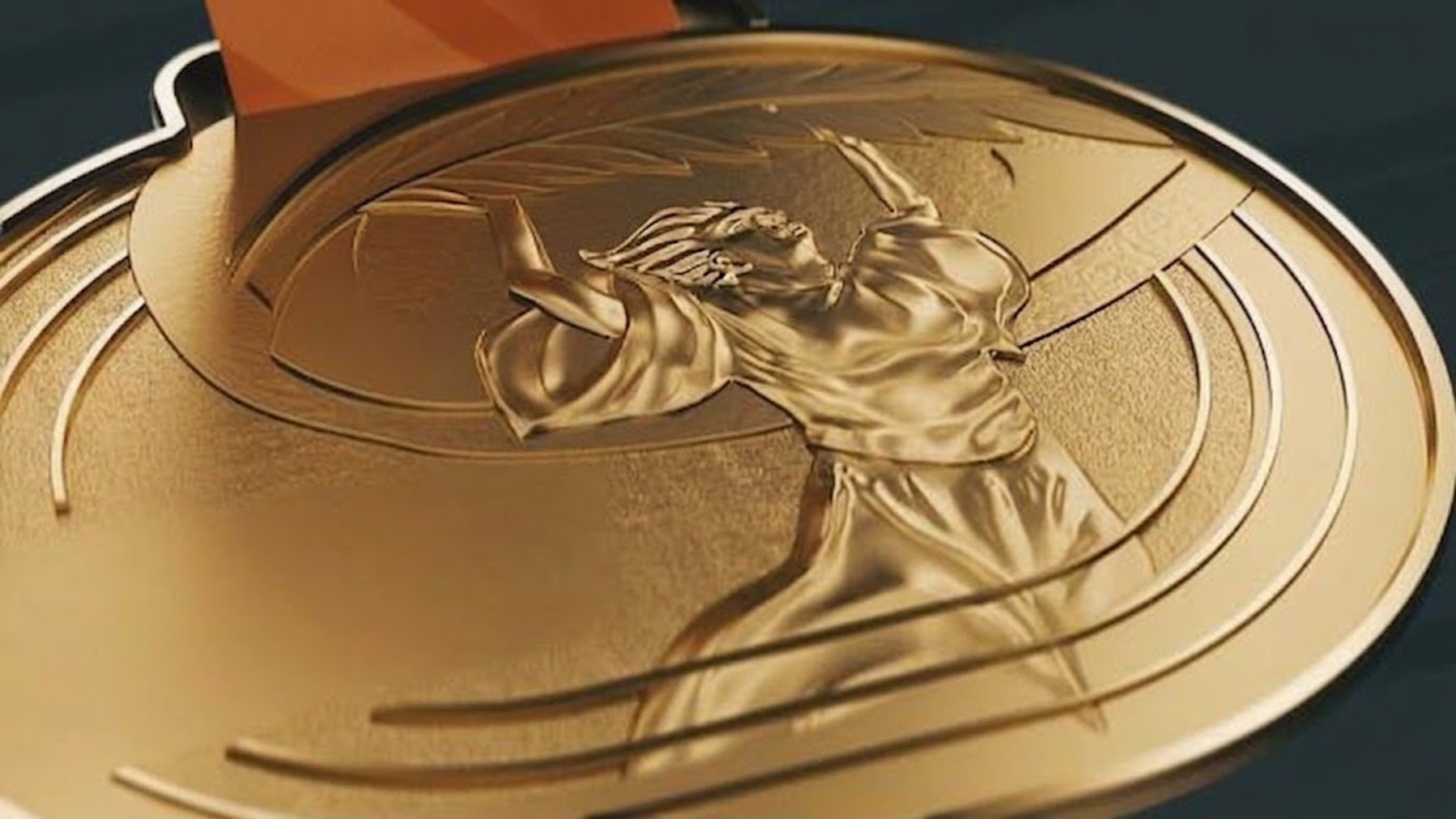
Budapest just hosted three nights of track and field with no gold, no silver, no bronze. Instead, every finalist got a trophy that physically slots into a participation token, and every single one of the 381 athletes who competed walked away with money.
That's not a gimmick bolted onto a normal championship. It's the entire premise of the World Athletics Ultimate Championship, and after its first edition wrapped this weekend, the early signs suggest it worked.
What actually changed
The event ran 28 finals across three evening sessions with no heats, no country quotas, and fields capped at 16 athletes per event, smaller for the 1500m and 5000m. Every session was built to be watched start to finish rather than sat through waiting for the part that matters.
The money backs that structure up. A $10 million purse, the largest in the sport's history, paid $150,000 to each individual event winner regardless of the event's usual profile. A 400m hurdles win pays the same as a 100m win. World Athletics CEO Jon Ridgeon said the goal was to "reach a broader audience, particularly younger fans," and a flat payout structure is one of the more direct ways an organization can say a discus throw matters as much as a sprint.
Why the medal question isn't cosmetic
Track and field has spent decades arguing that medals are the sport's entire identity, the thing that gives a 100m final more weight than an equally fast time run at a random Diamond League meet in May. Removing them here wasn't an accident or a budget decision.
It's a bet that athletes and fans actually respond more to money and spectacle than to ceremonial metal, at least for an event explicitly designed to be different from the World Championships and Olympics that still carry medals. Nobody at Budapest was confused about what an Ultimate Championship trophy means relative to an Olympic gold. That clarity is part of the point.
The part that's actually hard to fake
Athletes' families were brought inside the event itself rather than seated in the stands, a small logistical choice that says something bigger about who this championship was built to serve. Every single one of the 381 competitors got paid, not just the medalists, which flips the sport's usual economics for athletes ranked outside the very top of their event.
That matters more than it sounds. Most track athletes, even genuinely excellent ones, make very little from competing unless they're winning consistently at the highest level. A structure that pays everyone who qualifies changes what it's financially viable to keep training for.
What this doesn't solve
None of this fixes track and field's deeper problem, which is that most of its calendar still runs on exactly the model the Ultimate Championship was built to avoid: long meets, uneven star power from event to event, and prize money that rewards the same handful of glamour disciplines every year.
One weekend in Budapest doesn't undo that. What it does is prove the alternative model is watchable, sellable, and something 61,000 spectators across three sessions were willing to show up for.
Whether World Athletics can actually build that model into the rest of its calendar, rather than treating it as a nice biennial exception, is the real test still ahead.

Sarajevo Back at the Heart of Regional MMA: SFC Returns with Explosive Matchups

How Buzzer Karma Works: Levels, Penalties, and What They Mean

Inside Buzzer's Latest Update (and Why It Changes How You Use the App)

Buzzer Introduces Ads Console: A New Era of Advertising Across the Entire Buzzer Ecosystem

Buzzer Is Evolving: From Quantity to Quality

Buzzer Now Has a Games Hub, and Tournaments Are Coming

Polo Al Taco Expands Its Global Reach Through Weekly Livestreams on Buzzer Arena TV

Al Ittihad SC's Matches Are Now Live on Buzzer

Palm City vs Gulf United Ends in 1–1 Draw in UAE Second Division League Clash

"We Don't Take the Guy With the Camera." He Built His Own Club Anyway. Now He's Coming to Find You.


 1


