





 1

The WNBA's Next Commissioner Has a Bigger Job Than Just Replacing Cathy Engelbert
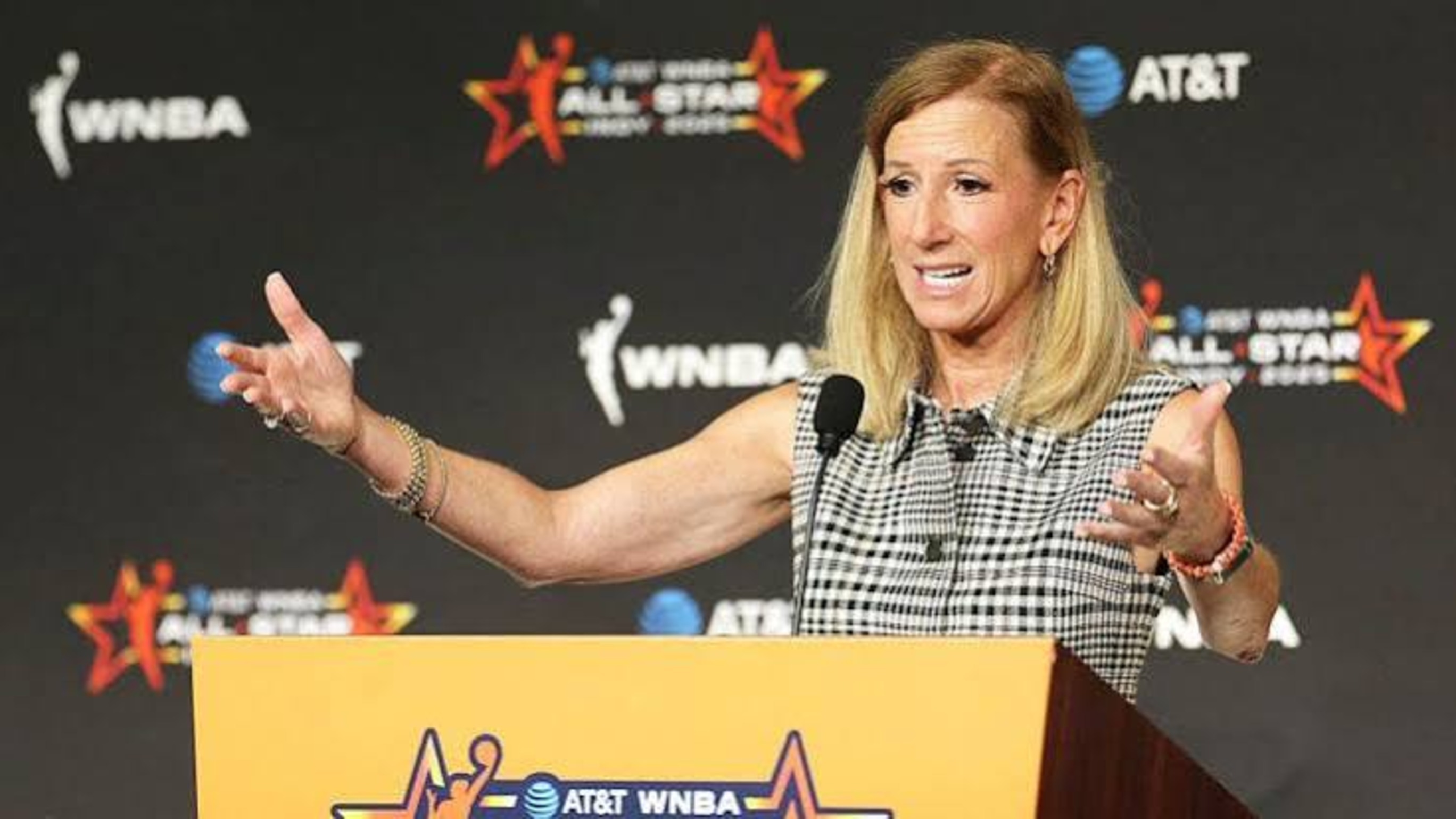
Cathy Engelbert is leaving the WNBA in a stronger position than she found it. She's also leaving it with a players' union that, by several accounts, doesn't fully trust the league office. Whoever takes over doesn't just inherit a growth story. They inherit that gap too.
Engelbert announced on September 4 that she'll retire as commissioner at the end of 2026, seven years after becoming the league's first person to hold the role. NBA commissioner Adam Silver, who appointed her in 2019, credited her with overseeing "the most significant period of growth in the league's 30-year history."
What she actually built
The numbers back that framing up. The WNBA had 12 franchises when Engelbert started. It'll have 18 by 2030, with Golden State having joined in 2025 and Toronto and Portland arriving this year, Toronto notably becoming the league's first team outside the United States. She helped negotiate the collective bargaining agreement ratified earlier this year that delivered the biggest pay increases in league history, phased in charter flights for every team, and added maternity leave and retirement benefits that simply didn't exist before.
WNBPA president Nneka Ogwumike credited that CBA with finally tying player worth to salary in a way the union had been fighting for.
The part of the tenure that didn't go as smoothly
Growth and player relations moved in opposite directions for stretches of Engelbert's time in charge. Minnesota Lynx star Napheesa Collier delivered some of the sharpest public criticism of any commissioner in recent memory, accusing league leadership of negligence and calling it "the worst leadership in the world." Indiana Fever guard Sophie Cunningham has since called for the next commissioner to prioritize actually communicating with players, a pointed suggestion about what's been missing.
Engelbert has maintained the criticism didn't push her out, telling reporters she'd been planning her exit for months and had been working on a succession plan for years. A successor hasn't been named yet.
Why the next hire matters more than the last one did
Building a league from relative obscurity into a genuine commercial success, which is roughly what Engelbert did, rewards a very specific skill set: dealmaking, media rights negotiation, expansion strategy. Managing a league that's already big, already valuable, and already full of players who now have real leverage and real grievances requires a different skill set almost entirely, one built around trust and communication rather than growth metrics alone.
The WNBA's next commissioner doesn't get to coast on the momentum Engelbert generated. They're stepping into a league where the players have tasted enough success to know exactly what they're still owed, and exactly how loudly they're willing to say so if they don't get it.
Is a leader who's proven they can grow a league's revenue automatically equipped to also repair its relationship with the athletes who make that revenue possible, or are those genuinely different jobs?

Sarajevo Back at the Heart of Regional MMA: SFC Returns with Explosive Matchups

How Buzzer Karma Works: Levels, Penalties, and What They Mean

Inside Buzzer's Latest Update (and Why It Changes How You Use the App)

Buzzer Introduces Ads Console: A New Era of Advertising Across the Entire Buzzer Ecosystem

Buzzer Is Evolving: From Quantity to Quality

Polo Al Taco Expands Its Global Reach Through Weekly Livestreams on Buzzer Arena TV

Al Ittihad SC's Matches Are Now Live on Buzzer

Buzzer Now Has a Games Hub, and Tournaments Are Coming

Palm City vs Gulf United Ends in 1–1 Draw in UAE Second Division League Clash

"We Don't Take the Guy With the Camera." He Built His Own Club Anyway. Now He's Coming to Find You.


 1
 1

