





 0

Victor Wembanyama Is Still Getting Better at Defense. Where Does the Ceiling Sit?
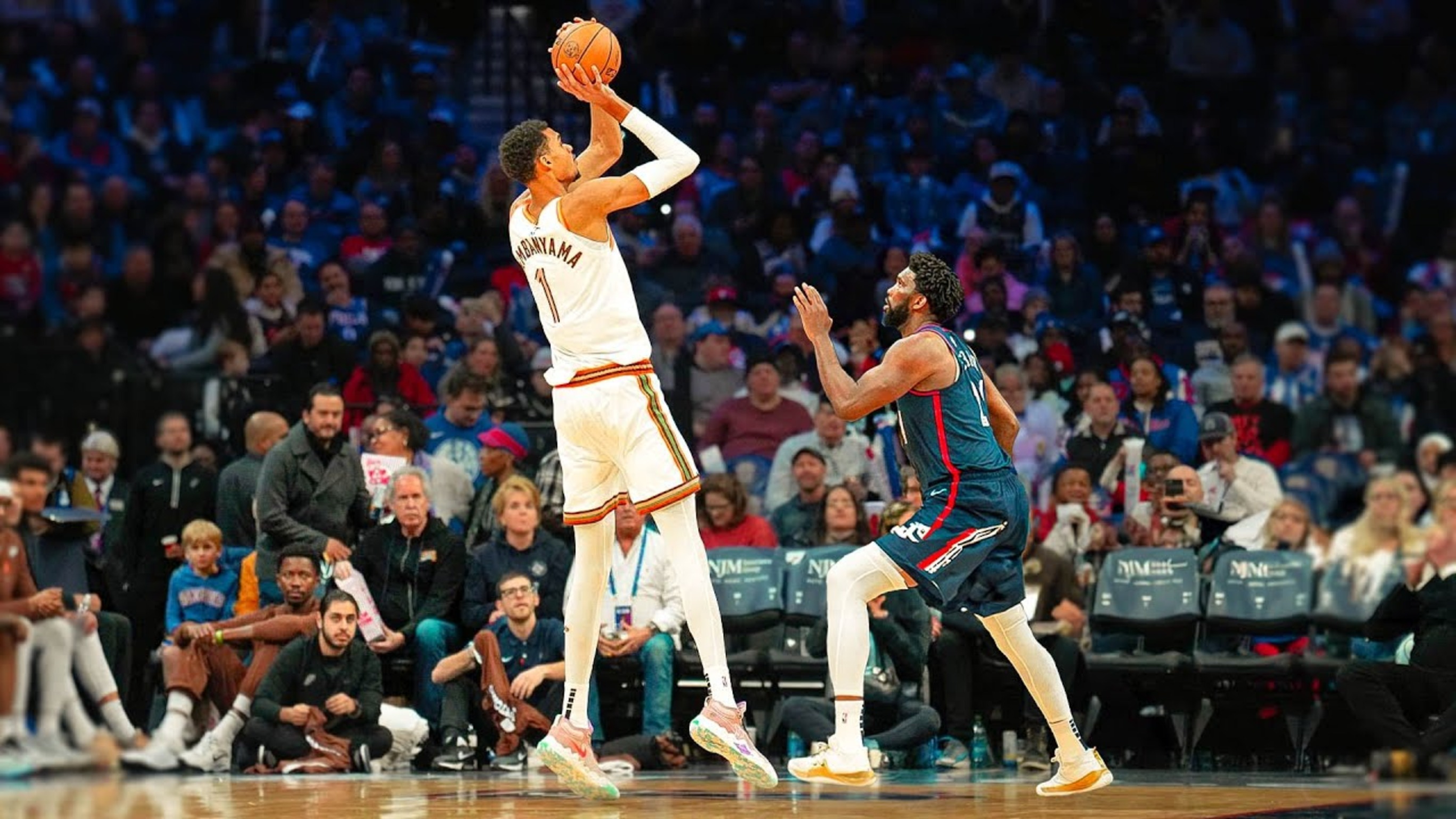
Every one of the 100 voters put Victor Wembanyama first for Defensive Player of the Year in April. Nobody had ever managed that in the award’s 43-year history.
He was 22 years and 98 days old, the youngest winner ever, and he got there after a technicality cost him eligibility the year before. A 65-game minimum kept him off the ballot in 2025.
The numbers were ridiculous without any help. He blocked 197 shots in 64 games, a lead of 44 over second place that was wider than the gap between second and ninth.
A block count isn’t the whole number
Blocks are the easy stat to love, and they’re the least of it. The Spurs allowed 10.2 fewer points per 100 possessions with him on the floor, according to The New York Times, and San Antonio finished third in the league in defensive rating on the way to a 62-20 record.
That’s the part that doesn’t show up in highlights. A blocked shot gets replayed. A drive that never happens because a seven-foot-four defender is standing in the lane gets no replay at all.
Draymond Green, a former Defensive Player of the Year himself, said it would be a lie to claim his own defense was more impactful than Wembanyama’s. Dirk Nowitzki said Wembanyama alters the game just by being on the floor, because layups other teams normally take simply disappear.
Even opposing coaches sound like fans. After Wembanyama scored a franchise-record 35 points in his playoff debut against Portland, Trail Blazers coach Tiago Splitter said he “changes the game so much.”
What twelve blocks looks like
In Game 1 of the Western Conference semifinals against Minnesota in May, Wembanyama blocked 12 shots, the most in a playoff game since at least 2019-20. He scored 11 points on 5-of-17 shooting in the same game, which tells you where his value was coming from.
His regular-season high was nine. He also led the league in blocks per game, at 3.1, for the third straight season, while setting career highs of 25.0 points and 11.5 rebounds.
He’d already made his 100th consecutive regular-season game with a block back in December, a streak in the company of only Patrick Ewing’s 145 games and Dikembe Mutombo’s 116.
So where is the limit?
The usual limit on a defender is his own legs. Players age, knees give out, and the 12 games Wembanyama missed with a calf strain after a November loss to Golden State were a reminder that the body bills everyone.
The tactical limit is more interesting. Opponents can stop attacking the rim, shoot more threes and mid-range jumpers, and make him guard space instead of paint. That’s the standard plan against a rim protector, and it’s harder to run against a player with his mobility, because he can follow shooters further out than a traditional center.
The strange possibility is that his greatest defensive achievement becomes invisible. If opponents stop testing him, the blocks drop, the highlight reels get thinner, and the real work happens in shots that never leave the shooter’s hands. That’s a problem for an award voted on partly by what people can see. A block is a receipt, and the best defender in the sport might soon be the one who stops giving them out.
None of this means he’s finished. Wembanyama is still only 22, still adding offense to a defensive résumé that already has a trophy case, and still the first thing opposing coaches mention in a scouting meeting.
If the best defender in basketball is the one nobody dares to attack, should the sport’s awards start counting the shots that never happen?

Sarajevo Back at the Heart of Regional MMA: SFC Returns with Explosive Matchups

How Buzzer Karma Works: Levels, Penalties, and What They Mean

Inside Buzzer's Latest Update (and Why It Changes How You Use the App)

Buzzer Introduces Ads Console: A New Era of Advertising Across the Entire Buzzer Ecosystem

Buzzer Is Evolving: From Quantity to Quality

Al Ittihad SC's Matches Are Now Live on Buzzer

Polo Al Taco Expands Its Global Reach Through Weekly Livestreams on Buzzer Arena TV

Buzzer Now Has a Games Hub, and Tournaments Are Coming

Palm City vs Gulf United Ends in 1–1 Draw in UAE Second Division League Clash

"We Don't Take the Guy With the Camera." He Built His Own Club Anyway. Now He's Coming to Find You.


