





 0

Red Bull Extended Laurent Mekies’ Contract. What Does Stability Actually Buy an F1 Team?
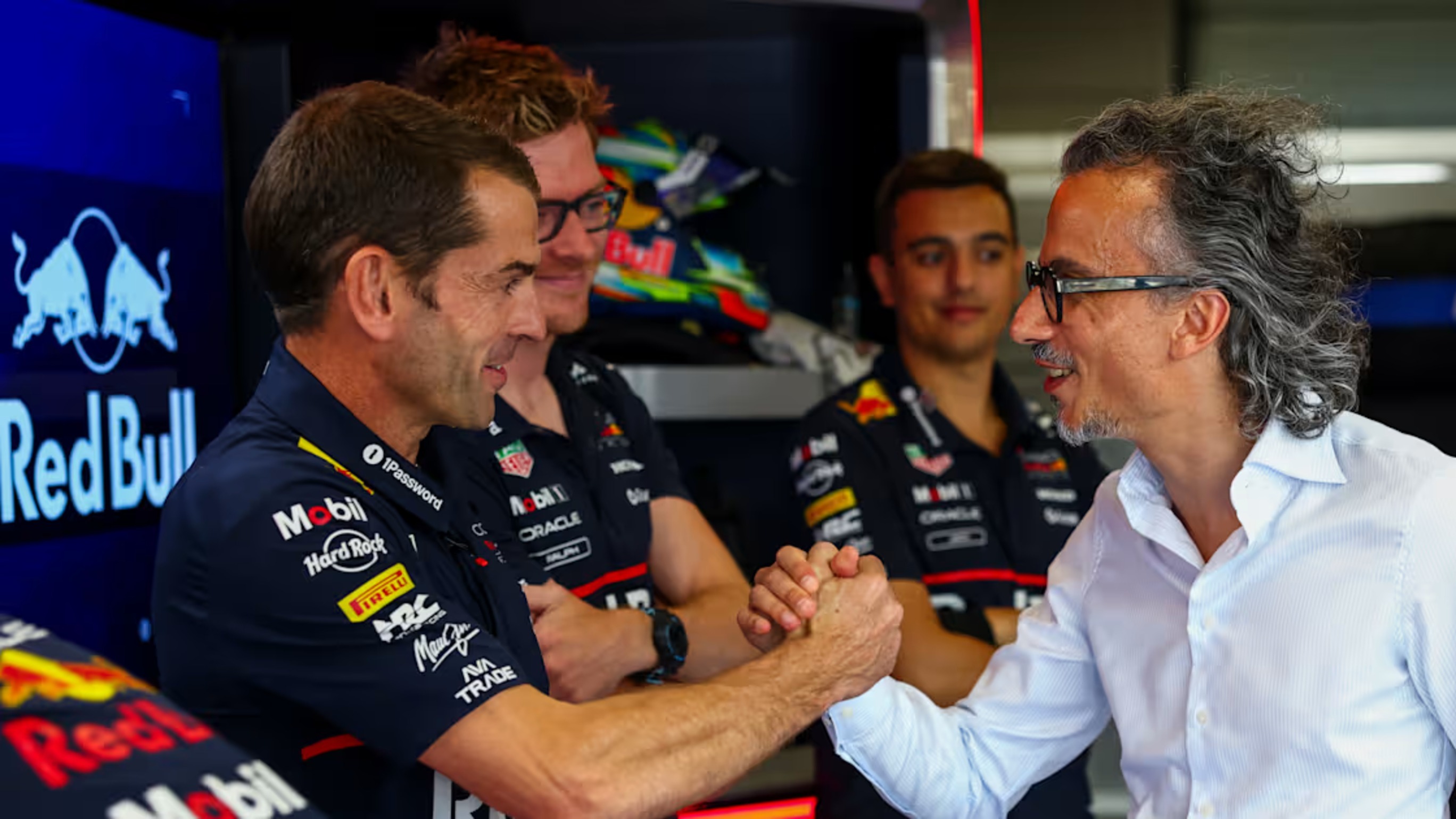
Laurent Mekies has been in charge at Red Bull for about 15 months. The team has just given him a contract that runs through 2031.
The announcement came on October 14, from shareholder Mark Mateschitz, during a debrief at the factory in Milton Keynes after Max Verstappen won back-to-back races in Malaysia and Singapore. Those were Red Bull’s first two wins of the season.
The timing was tidy. The question is what a five-year deal for a team principal actually changes.
How he got the job
Mekies took over from Christian Horner in July 2025, when Horner was abruptly fired. Mekies had been running Racing Bulls, Red Bull’s sister team, since the start of 2024. Before that he’d worked at the FIA and Ferrari, and he started his career at Arrows in 2001, then moved to Minardi, which later became Toro Rosso, AlphaTauri and Racing Bulls.
He’s 49. Red Bull’s press release credited him with a turnaround in the second half of 2025 that ended with the team missing the drivers’ title by just two points.
That’s a lot to inherit. A new principal had to hold a team together after a messy exit at the top, keep a four-time champion happy and prepare for a new set of regulations.
The pieces around him
The Mekies extension follows a run of other renewals. Verstappen committed to Red Bull through 2030, and Isack Hadjar’s deal was extended into 2027. Reports also mention contract renewals for key personnel.
In the weeks before the announcement, Red Bull was fourth in the standings and seven points behind champions McLaren, according to Reuters. Verstappen was on a winning streak, and the next race was in Texas.
Mekies himself praised the technical and power unit leaders for the team’s strong performance at the start of the new regulations. That’s a good clue about what stability is for.
What stability actually does
The most visible effect is on the people who aren’t in the headlines. Engineers and designers read these announcements. A team principal on a five-year deal tells staff, and rivals trying to hire them, that the leadership isn’t about to change.
It also gives the principal room to say no. Without a long contract, every bad weekend invites a reshuffle. With one, he can stick to a development plan through a rough patch. That matters under new regulations, when it can take a season to find out whether a car concept works.
There’s a further benefit in driver relationships. Verstappen has a contract to 2030 and Mekies has one to 2031, which means the people most likely to be asked about the team’s future now have clear answers.
The case against reading too much into it
Contracts aren’t guarantees. A five-year deal can be a gift of stability, or it can be a bill that grows heavier when results turn. Red Bull knows that better than most, as the Horner episode showed.
It’s also worth noticing when the announcement came. The wins in Malaysia and Singapore made it easy. If the team were struggling, the same decision would look bolder. Meanwhile, Horner was in the public eye with a book and a run of interviews about his exit, so the optics worked in Mekies’ favor.
Even so, the evidence points one way. Red Bull went from a messy summer to a team fighting for the constructors’ title, and Mekies was the person in charge of it.
His own line afterward was that the team had a strong platform and that this was only the beginning. That’s the kind of sentence every principal says, and the only way to test it is to wait. The next real examination will come when the regulations change again and the team has to make hard calls with a long contract and no excuses.
Does stability win championships, or do championships create stability?

Sarajevo Back at the Heart of Regional MMA: SFC Returns with Explosive Matchups

How Buzzer Karma Works: Levels, Penalties, and What They Mean

Inside Buzzer's Latest Update (and Why It Changes How You Use the App)

Buzzer Introduces Ads Console: A New Era of Advertising Across the Entire Buzzer Ecosystem

Buzzer Is Evolving: From Quantity to Quality

Polo Al Taco Expands Its Global Reach Through Weekly Livestreams on Buzzer Arena TV

Buzzer Now Has a Games Hub, and Tournaments Are Coming

Al Ittihad SC's Matches Are Now Live on Buzzer

Palm City vs Gulf United Ends in 1–1 Draw in UAE Second Division League Clash

"We Don't Take the Guy With the Camera." He Built His Own Club Anyway. Now He's Coming to Find You.


