Newbie•0 minutes•3,79 Karma

GENERAL
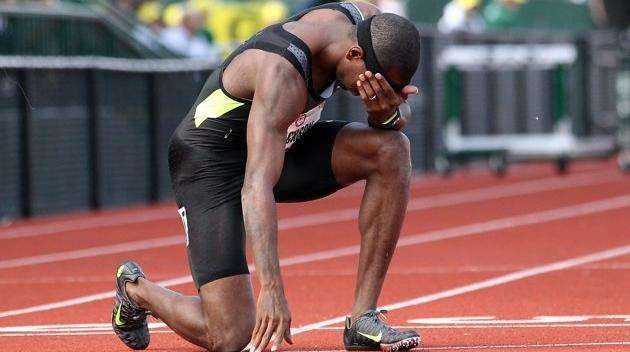
The Last Race: What Happens When an Athlete Knows It’s Time to Stop?
3 minutes read Continue read

GENERAL
The Game Is Changing: Will Technology Eventually Know What Happens Next?
3 minutes read Continue read

GENERAL
When Talent Meets Money: Is Sport Becoming Too Expensive for Young People?
3 minutes read Continue read

GENERAL
The Games Nobody Sees: Why Local Sports Matter More Than We Think
3 minutes read Continue read

GENERAL
Women’s Sports Are Changing: Why More Fans Are Finally Paying Attention
3 minutes read Continue read

GENERAL
From a Small Fitness Event to a Global Sport: Why Everyone Is Talking About HYROX
3 minutes read Continue read

GENERAL
The Hidden Problem in Sports: What Happens to Young People Who Never Get the Chance to Play?
3 minutes read Continue read

GENERAL
The Business of Sports: How a Game Became a Billion-Dollar Industry
4 minutes read Continue read

GENERAL
When Sport Goes Wrong: 8 Shocking Moments That Changed the Game Forever
4 minutes read Continue read

GENERAL
The Strange World of Sports: 7 Rules You Probably Didn’t Know Existed
3 minutes read Continue read


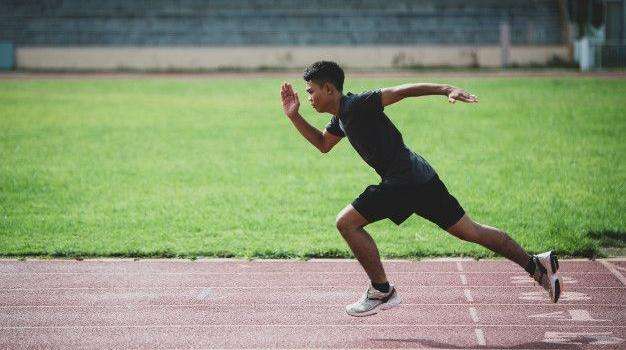
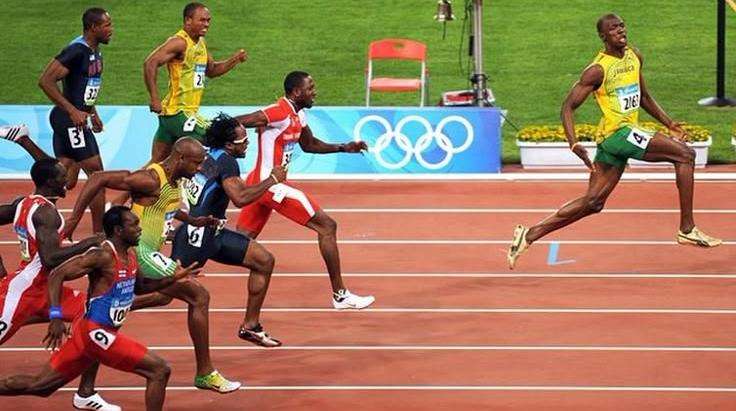
When people watch a 100-meter race, the event can appear incredibly simple. The athletes stand on the starting line, wait for the signal and then run as fast as possible to the finish. But behind those few seconds is years of training, discipline and preparation.
A great sprinter is not simply someone who can run fast. Sprinting requires a combination of explosive power, technique, reaction time, strength and mental focus. Even a small mistake at the start or a poor movement during the race can make a significant difference.
One of the most important parts of sprinting is the start. The first few seconds can determine how a race develops. Sprinters spend countless hours practicing how to react quickly to the starting signal and produce maximum force from the blocks. A strong start allows an athlete to accelerate efficiently instead of wasting valuable time.
Acceleration is another major part of sprinting. After leaving the blocks, athletes must gradually reach their maximum speed. This requires powerful movements from the legs and a strong, controlled body position. Sprinters also need to coordinate their arms and legs properly because efficient movement helps them maintain speed.
Strength training plays an important role as well. Sprinters need powerful muscles to produce the force required for explosive movement. However, strength alone does not automatically make someone a faster runner. Athletes must combine strength with proper sprinting technique and flexibility.
Running technique can separate elite sprinters from other competitors. A sprinter needs to maintain good posture while keeping their movements efficient. Excessive tension can make running less effective, while poor arm movement can affect rhythm. Elite athletes therefore spend a lot of time working on small technical details that ordinary spectators may not notice.
Training is also about recovery. Sprinting places significant demands on the body, and constantly training at maximum intensity without adequate recovery can increase the risk of fatigue and injury. Rest, sleep, nutrition and appropriate recovery sessions are therefore important parts of an athlete's routine.
The mental side of sprinting should not be overlooked. A race can last only a few seconds, but athletes experience enormous pressure before and during competition. A sprinter needs confidence, concentration and the ability to remain calm. Losing focus at the start can affect the entire race.
Another important quality is consistency. Athletes do not become faster overnight. Improvement usually comes from repeating the right movements, following a structured training program and learning from mistakes. Some days may produce excellent results, while others may feel disappointing. Successful athletes understand that progress is a long-term process.
Young athletes who want to become sprinters should also avoid comparing their progress too closely with others. People develop at different rates, and physical development can vary considerably during adolescence. Instead of chasing quick results, young runners should focus on learning proper technique, building strength safely and working with qualified coaches.
Sprinting may look like a simple race between athletes, but there is much more happening beneath the surface. Every explosive start, powerful stride and fast finish is the result of preparation.
The next time you watch a 100-meter race, remember that the few seconds you see on the track represent years of work behind the scenes. Speed may be the final product, but discipline, technique, strength and mental preparation are what help create a great sprinter.](https://d32kj04sxj85qr.cloudfront.net/public/users/24184438-3061-701c-49a9-c639b4d88619/blogs/8d92327d-350a-41d2-8bf7-244d340ec1b6.jpg)

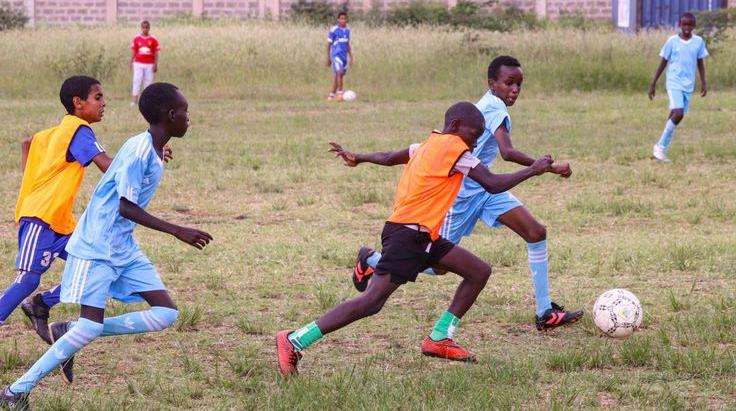
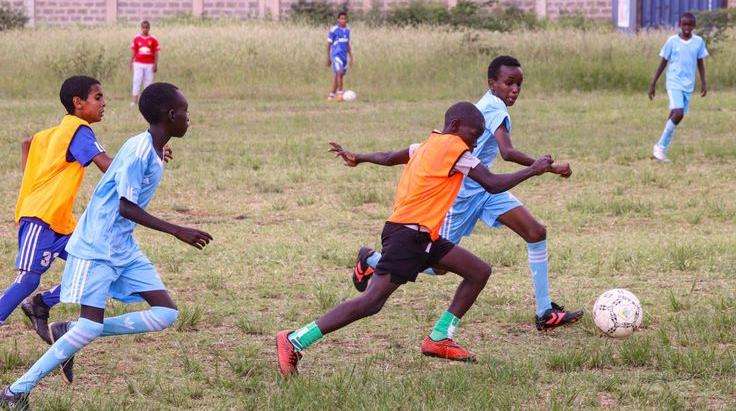
Every young footballer dreams of becoming a star. From playing football on local streets to representing a professional club, many players grow up believing that talent alone will take them to the top. However, football has changed, and being talented with the ball is no longer enough. For a young player to build a successful career, talent must be supported by discipline, hard work, mental strength and the willingness to keep learning.
Talent is often the first thing people notice about a footballer. A player who can dribble past defenders, score spectacular goals or deliver accurate passes can quickly attract attention. But football is not played for a few minutes in training or during one impressive match. A professional career requires consistency, and that is where discipline becomes important.
Young players must understand that becoming a professional footballer involves sacrifices. They have to take training seriously, listen to coaches and maintain good habits away from the pitch. Sleep, nutrition, fitness and recovery can all affect performance. A naturally gifted player who refuses to train properly can easily be overtaken by someone who works harder and takes development seriously.
Another important quality is mental strength. Football can be difficult, especially for young players who are trying to establish themselves. A player may spend weeks on the bench, miss an important chance, suffer an injury or receive criticism after a poor performance. These experiences can affect confidence. The ability to respond positively instead of giving up can make a major difference in a player's career.
Young footballers also need to understand that development takes time. Social media can create the impression that success happens overnight. A teenager may see another young player signing a professional contract or becoming famous and begin to wonder why the same thing has not happened to them. But every player's journey is different.
Instead of comparing themselves constantly with others, young players should concentrate on improving their own weaknesses. A midfielder can work on passing and decision-making. A defender can improve positioning and communication. A striker can focus on movement, finishing and composure. Small improvements made consistently can eventually produce major results.
Education should not be ignored either. Not every talented young footballer will become a professional. Injuries, competition, financial difficulties and many other factors can affect a player's career. Having an education or another useful skill gives young athletes something to fall back on while pursuing their dreams.
Good coaching is another important part of development. A young footballer needs coaches who can identify weaknesses, provide constructive criticism and teach the tactical side of the game. Modern football requires players to understand more than just their individual position. They must know how to move without the ball, create space, press opponents and work as part of a team.
Most importantly, young footballers need patience. Success may not come immediately, but that does not mean the dream is impossible. Players who remain committed, learn from their mistakes and continue improving give themselves a better chance of reaching their potential.
Talent may open the door, but it is discipline, patience, preparation and mental strength that can help a young footballer stay in the game. For anyone dreaming of becoming a professional, the message is simple: work on your talent, but build the character and habits needed to support it.](https://d32kj04sxj85qr.cloudfront.net/public/users/24184438-3061-701c-49a9-c639b4d88619/blogs/fbb02892-da70-47e1-b49c-b4efe8daca79.jpg)