$0.00
$BUZZER
Get App
Log in
Simona Elena
sya05
Equestrian with a passion for writing. I’m interested in the stories, skills and details that make sport fascinating—on and off the field.
11
Uploads
50
Followers
5
Following
Newbie
•
0 minutes
•
4,29 Karma
Posts
Comments
Reels
Blogs
Threads
Tags
sya05
3 days ago
FOOTBALL (SOCCER)
How Do Football Trials Work? What Young Players Should Expect
3
sya05
3 days ago
FOOTBALL (SOCCER)
Why Are So Many Spanish Football Clubs Called "Real"?
2
sya05
7 days ago
POLO
Women in Polo: How Female Players Are Changing the Sport
3
sya05
7 days ago
FOOTBALL (SOCCER)
What Do Football Scouts Look For in Young Players?
5
sya05
8 days ago
POLO
The Ethics of Polo Horse Cloning: How Cloned Horses Could Change the Game
4
sya05
8 days ago
FOOTBALL (SOCCER)
Manchester United's Weaknesses Have Just Been Exposed By Hull
3
sya05
13 days ago
FOOTBALL (SOCCER)
Top 3 Most Overrated Premier League Players in 2026
3
sya05
14 days ago
POLO
Polo Rules Explained: How the Game Works, From Chukkas to Fouls
5
sya05
14 days ago
FOOTBALL (SOCCER)
Why Lower-League Football Deserves More Attention Than It Gets
4
sya05
16 days ago
POLO
Beyond the Horse: What Makes a Great Polo Player?
4

 $0.00$BUZZER



 $0.00$BUZZER
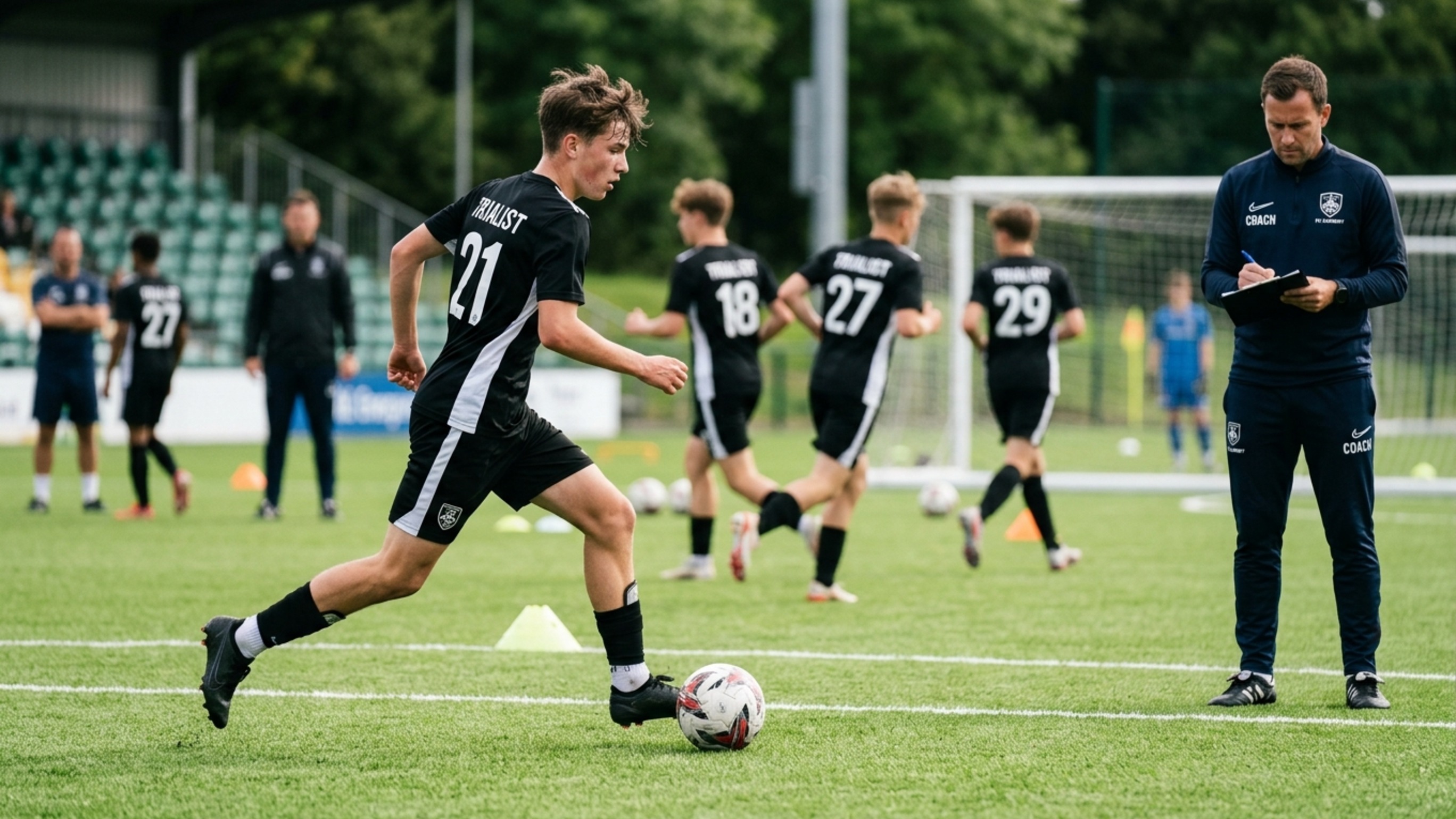




 also stresses that young players should not be overlooked because of their age or stage of physical maturation, highlighting the importance of looking at long-term potential rather than physical development alone.
## 2. Coachability
Talent can get a scout's attention, but coachability can determine how far a young player develops. Football scouts want to see whether players listen to instructions, accept constructive criticism and adapt when asked to change something.
Imagine a coach asks a winger to stay wider and attack the space behind the full-back. A player who immediately adjusts their positioning and makes better runs demonstrates that they can listen, learn and apply feedback.
For young footballers, coachability means showing that advice leads to improvement.
## 3. Tactical Intelligence
Technical ability means little if a player doesn't understand what to do with it. Scouts therefore pay close attention to football intelligence, sometimes referred to as football IQ.
Do players scan before receiving the ball? Can they find useful spaces, anticipate opponents' movements and make the right decision under pressure? A midfielder might have the ability to play a spectacular pass, but sometimes the best choice is a simple pass that keeps possession.
Young players can develop their tactical intelligence by watching matches closely and studying positioning, movement and decision-making—not just goals and assists.
## 4. Psychological Resilience
Football puts enormous pressure on young players, especi during trials and important matches. For scouts, however, the mistake itself may be less important than what happens next.
A striker might miss an easy chance but continue making intelligent runs and asking for the ball. A defender might make an error but immediately get back into position.
Mental resilience doesn't mean never feeling nervous or disappointed. It means being able to reset and focus on the next action. **Don't let one mistake become three.**
## 5. Teamwork
Even the most talented individual player needs to work effectively with teammates. Scouts watch how players communicate, create space, support teammates and react when the team loses possession.
Choosing a pass over a difficult individual attempt can demonstrate maturity, while tracking back to help a teammate shows commitment to the team's success.
The goal isn't always to be the player who stands out. Sometimes, the best way to stand out is to make everyone around you better.
## The Complete Player
Getting noticed by a football scout takes more than spectacular goals or impressive skills. Scouts are looking for players with the talent, mentality and potential to keep developing.
Ultimately, there is no single quality that guarantees success in football scouting. The goal isn't simply to stand out. It's to show that you have what it takes to keep improving.](https://d32kj04sxj85qr.cloudfront.net/private/users/04b8c488-0091-70ed-81df-ccfcca0cc4d5/clips/59895aeb-3805-4563-86a8-54a9dda45e42.jpeg)

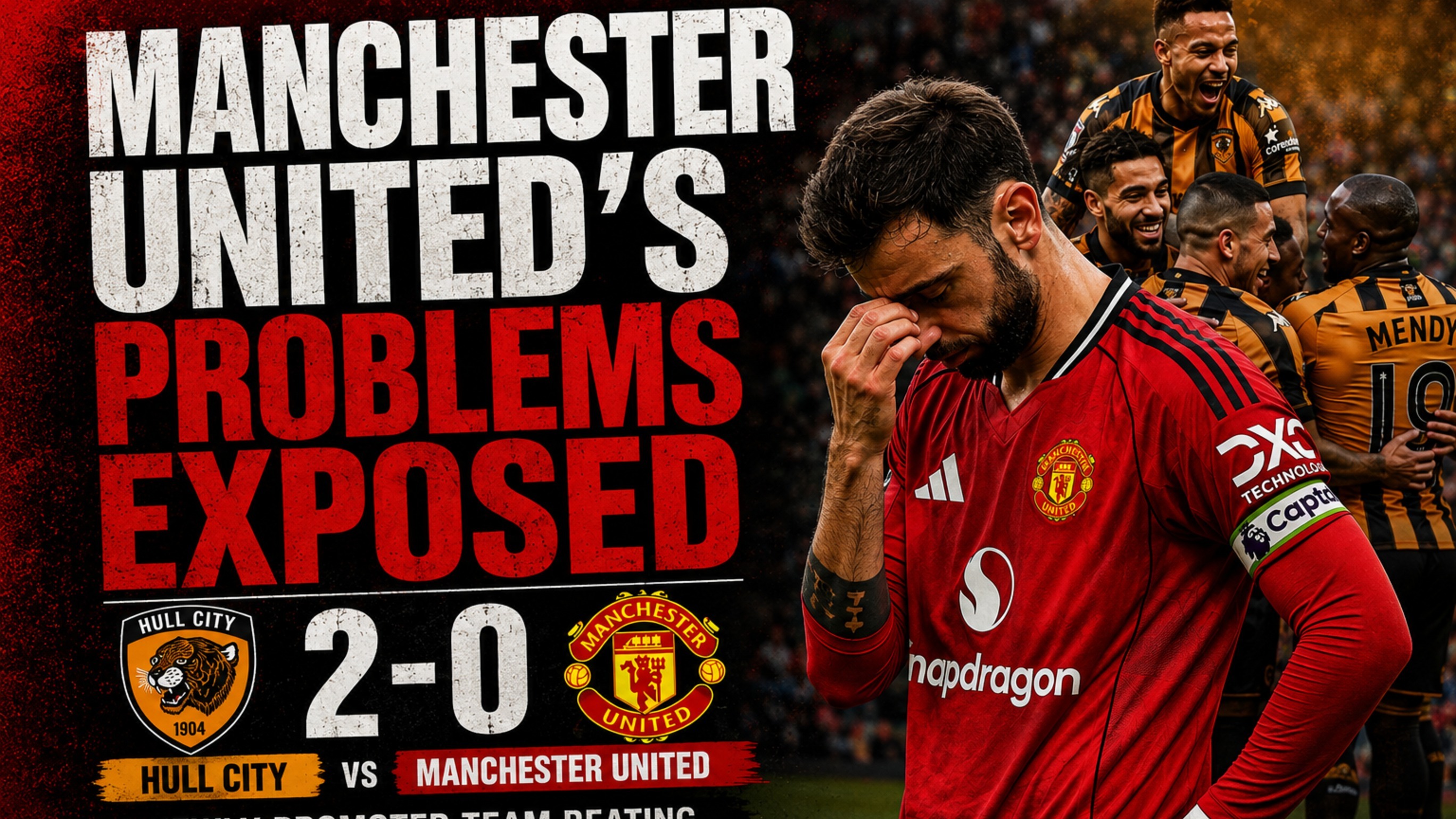

 has found that gaining experience through lower-division football can support players development and help them earn further opportunities.
That is the overlooked value of lower-league football: it doesn't decide how far a player can go. It gives them somewhere to start proving how far they can go.
Jamie Vardy is the perfect example. At 16 he was released by Sheffield Wednesday. A few years later he was playing non-league football for eighth-tier Stocksbridge Park Steels while working in a factory to support himself. His journey then took him through Halifax and Fleetwood before Leicester signed him in 2012. Four years later, Vardy had become a Premier League champion, after scoring 24 goals during Leicester's remarkable title-winning season.
Vardy's story shows what can happen when an overlooked player gets the chance to play and prove their talent. In his case, lower-league football was the perfect stage to show his worth.
## Digital Scouting Is Changing Lower-League Football
Players no longer have to rely solely on a football scout being present at their games. Digital scouting platforms can now make it easier for talented lower-league players to get noticed.
Hudl Wyscout and similar football platforms provide access to match videos, performance data and player profiles from competitions around the world, allowing scouts and clubs to identify potential targets and assess their performances from their offices For lower-league football players around the world, this can mean greater visibility, as scouts can review a player's performance data and match footage online, before deciding whether to watch them play live.
Digital sport platforms can connect athletes with fans, clubs and other figures across the sports ecosystem, making it easier for talented players to be seen by the right people.
## Should you watch lower-league football more often?
The answer to the question “Should you watch more lower-league football?“ is a strong yes. But that doesn't mean you should abandon the Premier League.
Watching both the Premier League and lower-league gives you a different perspective on football. At the same time, it can give you the opportunity to watch the players who could become part of the next generation of top stars.
And there is one particularly satisfying possibility: you could end up watching the next Jamie Vardy before everyone knows his name.](https://d32kj04sxj85qr.cloudfront.net/private/users/04b8c488-0091-70ed-81df-ccfcca0cc4d5/clips/d839232a-974b-4eea-85ff-dc226212b14f.jpeg)
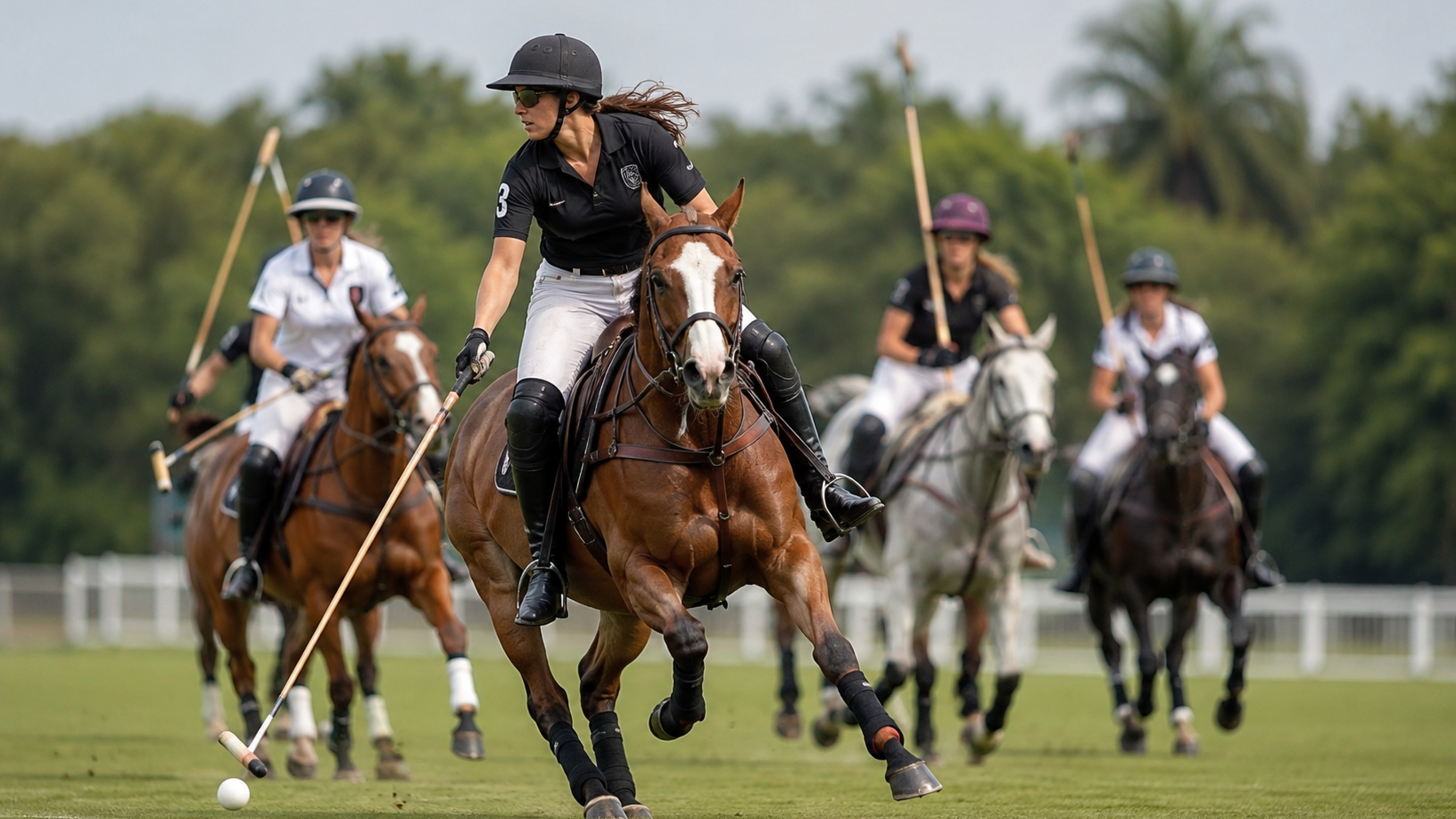
 to their horses. The connection between horse and rider is paramount - a great polo player doesn't simply control a horse, they feel it.
During a match, the horse must speed up, stop and turn, while the rider leans from saddle to strike the ball. If the rider pulls on the reins or resists the horse's movement, both will struggle to perform at their best.
Before playing polo, beginners need to work on their riding skills, developing smooth transitions and balanced turns while maintaining a stable position, allowing the horse to move freely. The goal isn't to make the horse do everything you want; it's to develop such good communication that you can move together almost instinctively.
That feel for the horse becomes the foundation for everything else a polo player does.
# Develop your game awareness
Polo is fast, but chasing the ball is not enough. Elite players understand positioning, anticipate where the ball is going and recognize what teammates and opponents are likely to do next. Knowing the line of the ball and the right of way is also essential for playing effectively and safely.
Polo is a team sport, so communication is essential too. Players need to know when to attack, pass, support a teammate or create space.
With practice, the game begins to slow down mentally, even when it is moving faster physically. Great decision-making isn't about reacting more quickly; it's about understanding the situation early enough to know what to do next. Learning to “read” the game is what makes a player valuable to their team.
# Master coordination
Hitting a ball at a horse's gallop while leaning out of the saddle and avoiding opponents requires excellent coordination. Beginners may be tempted to hit harder, but timing and control matter more than brute force. A consistent swing and controlled hit are more likely to send the ball where you want it to go.Strength should be used in a controlled way, while the hand holding the reins remains soft enough not to hinder the horse. Properly fitted equipment, including a helmet, gloves and a mallet suited to the player, can also support control and confidence.
Ultimately, good polo technique is about making the right movement at precisely the right moment.
# Keep up your fitness level
The pony might be the one galloping, but polo still demands plenty from the rider. Staying balanced in the saddle while swinging a mallet requires cardio endurance, core strength, flexibility and balance. Research on elite polo players has found [substantial cardiovascular demands](https://www.tandfonline.com/doi/abs/10.1080/24748668.2008.11868437) during matches, reinforcing the importance of physical conditioning alongside technical training.
Regular riding, aerobic exercise and, strength training help build a strong foundation, allowing players to concentrate on the game, communicate with their horses and make good decisions, even when fatigue starts to set in.
# Keep a cool head
With horses galloping and riders competing for the ball, polo can quickly become chaotic. Staying composed requires confidence, concentration and a healthy respect for risk.
In her first-person account of the mental side of polo, player Anne Gry Reitan Ringen describes how fear and uncertainty can become part of the experience, particularly when speed and competition increase. Her experience highlights an important lesson: bravery isn't about ignoring fear; it's about learning to manage it and still make sensible decisions.
# Great players keep learning
Becoming a great polo player isn't about mastering one skill. It's about bringing everything together: horsemanship, game awareness, precise movements, smart decisions and composure under pressure.
You don't have to develop every skill at once. Focus on one weakness during each practice session, whether that's your balance, positioning, swing or decision-making.
The best players keep learning long after the basics become second nature. The goal isn't to become a ten-goaler overnight, but to finish every chukka a little better than you started.](https://d32kj04sxj85qr.cloudfront.net/private/users/04b8c488-0091-70ed-81df-ccfcca0cc4d5/clips/77bebb3f-b295-4bd7-967c-b30b45ef1e30.jpeg)