Buzzer Coin$0.00$BUZZER
Search
thesahiba
thesahiba
6
Uploads
140
Followers
2
Following
Newbie
Newbie0 minutes2,17 Karma
Arrow Right
thesahiba

17 days ago

***¬Written by Sahiba Khan¬***


​At the highest level of professional sports, physical talent and technical mastery are almost taken for granted. Every athlete competing in world championships, Grand Slams, or major leagues possesses exceptional speed, strength, and skill. Yet, when the lights are brightest and the entire world is watching, only a select few consistently rise to the occasion.


​What truly separates good athletes from absolute legends isn't just physical superiority—it is mental conditioning, emotional regulation, and psychological resilience under extreme stress.


​Here is an in-depth breakdown of how elite athletes train their minds to master pressure, handle defeat, and perform at peak levels.

## ​🧠 1. The Power of Visual Pre-Rehearsal & Focus Control

​Before an elite athlete steps onto a pitch, court, or track, they have often played the entire match hundreds of times inside their minds. This psychological technique is known as mental imagery or visualization.


  *​**Building Neural Pathways:** Brain imaging studies show that when an athlete vividly visualizes executing a perfect movement (like hitting a winning serve or penalty kick), the brain activates similar neural pathways as it does during physical execution.


  *​**Reducing In-Game Anxiety:** By mentally walking through high-pressure scenarios beforehand, athletes reduce the fear of the unknown, keeping their nervous system calm when high-stakes moments actually arrive.

## ​⏱️ 2. Controlled Breathing and the "Flow State"

​When high-stakes pressure hits, the human body naturally triggers a fight-or-flight stress response—causing elevated heart rate, shallow breathing, and muscle tension. Elite competitors use deliberate breathwork to regain control.


  *​**Resetting under Pressure:** Between points, rounds, or timeouts, athletes use slow, deep diaphragmatic breathing to stimulate the vagus nerve. This instantly lowers the heart rate and clears mental fog.


  *​**Entering the Flow State:** By locking into present-moment cues rather than worrying about win/loss outcomes, athletes achieve "the zone"—a mental state where decisions feel effortless, reactions are instinctive, and time appears to slow down.

### ​🛡️ 3. Reframing Failure & Short Memory Muscle

​In sports, failure is an absolute certainty. A striker will miss open shots, a quarterback will throw interceptions, and a champion will drop sets. The hallmark of elite psychology is emotional detachment from mistakes.


  *​**The 5-Second Rule:** Legendary athletes give themselves seconds to acknowledge a mistake before mentally resetting. They do not dwell on the last play; their focus instantly shifts to the next immediate action.


  *​**Growth Mindset:** Instead of viewing loss as a hit to their identity, top competitors treat setbacks as valuable strategic data points to analyze and refine their game plan.

## 🏆 Conclusion: The Unseen Championship

​Physical stamina wins individual games, but mental fortitude builds lasting legacies. As modern sports science evolves, psychological conditioning is being recognized as equal to—if not more important than—physical training. Understanding how athletes navigate mental stress gives us a profound appreciation for what it takes to perform at the summit of human ability.

## ​💬 What's Your Take?

​Which athlete do you think possesses the strongest mental toughness under clutch pressure in modern sports?


​***¬Share your thoughts in the comments section below! 👇¬***
MULTI-SPORT

THE PSYCHOLOGY OF ELITE ATHLETES: HANDLING PRESSURE AT THE HIGHEST LEVEL

Like icon
4
Comments icon
Shares icon
thesahiba

17 days ago

***¬Written by Sahiba Khan¬***


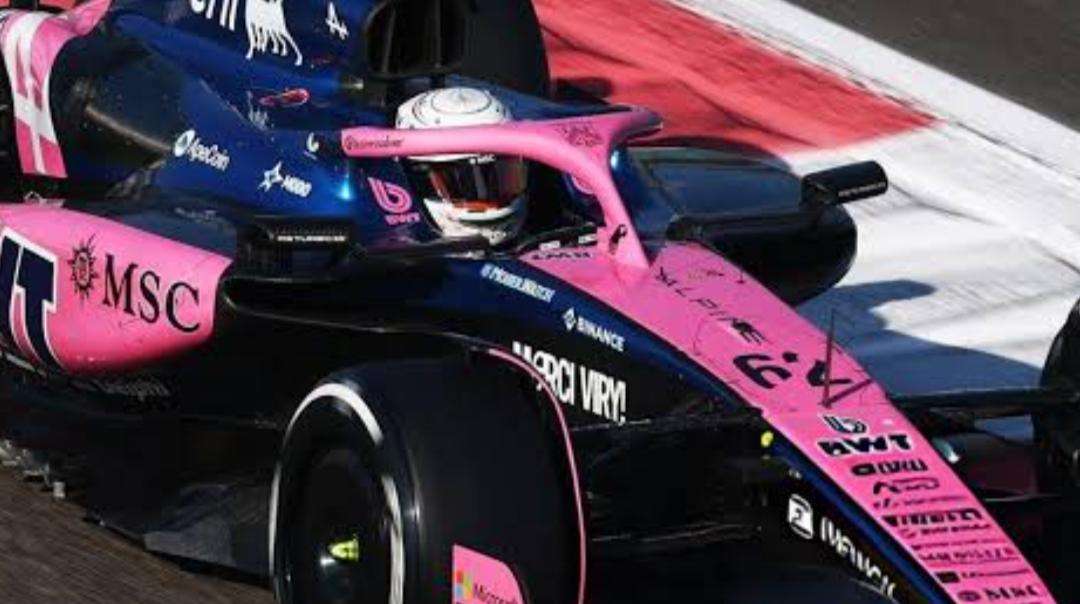
​For decades, Formula 1 was viewed as an elite, high-stakes motorsport reserved primarily for hardcore racing purists and engineering enthusiasts. However, over the past few years, F1 has undergone one of the most explosive brand transformations in modern sports history. Today, it isn't just a motorsport—it is a global pop-culture phenomenon, a social media sensation, and a dominant lifestyle trend among Gen-Z and millennial audiences.


​From trending TikTok audio clips and viral Instagram reels to high-fashion merchandise collaborations, Formula 1 has successfully bridged the gap between high-speed racing and digital entertainment.


​Here is a deep-dive analysis into how Formula 1 captured the hearts of a new generation and redefined modern sports marketing.

## ​🎥 1. The "Drive to Survive" Effect & Storytelling

​The turning point for Formula 1’s global audience expansion was undoubtedly the release of Netflix's docuseries *Drive to Survive*. Before the series, fans only saw drivers wearing helmets inside high-speed carbon-fiber machines.


  *​**Humanizing the Athletes:** The series brought the cameras inside the paddocks, showcasing rivalries, team politics, radio rants, and personal struggles. Viewers began connecting with driver personalities like Charles Leclerc, Lando Norris, and Daniel Ricciardo on an emotional level.


  *​**Drama Beyond the Track:** By treating each Grand Prix weekend like a high-stakes dramatic storyline, the sport attracted millions of casual viewers who previously had no interest in lap times or tire strategies.

### ​📱 2. Social Media Dominance & Creator Culture

​Formula 1’s modern management embraced digital media content creators instead of restricting race footage. This open approach allowed fan communities to flourish across platforms.

  *​**Driver Personalities as Content Creators:** Younger drivers on the grid grew up in the digital age. Drivers like Lando Norris and George Russell stream video games, post behind-the-scenes vlogs, and interact directly with fans on social media, making them relatable global icons.
  *​**Memes & Viral Moments:** Team radio messages, pit-stop bloopers, and podium celebrations are instantly turned into viral memes within seconds of happening live, keeping F1 continuously trending worldwide every race weekend.

## ​🏎️ 3. The Fusion of F1, Fashion, and Streetwear

​Formula 1 has crossed over into mainstream lifestyle fashion like no sport before it. Paddock fashion has become as highly anticipated as the race itself.


  *​**High-End & Streetwear Collaborations:** Luxury fashion houses and iconic streetwear brands routinely partner with F1 teams. Fans proudly wear team jackets, vintage-style racing tees, and caps as daily fashion statements rather than just sporting merchandise.


  *​**A Diverse Fanbase:** Historically dominated by a male demographic, F1’s modern audience now boasts a massive female fanbase—accounting for nearly 40% of the sport’s total global fan followers.


## 🏁 Conclusion: The Blueprint for Future Sports

​Formula 1’s revolution proves that the future of sports isn't just about what happens on the field or track; it is about storytelling, personality, and digital community. By combining raw athletic risk with modern entertainment value, F1 has built a sustainable model that will inspire young sports fans for decades to come.

## ​💬 What Do You Think?

​Who is your favorite driver on the current F1 grid? Did you start watching F1 through social media or Netflix?

​**¬Drop your thoughts and predictions in the comments section below! 👇¬**
MOTORSPORT

WHY FORMULA 1 IS TAKING OVER SOCIAL MEDIA & YOUTH CULTURE

Like icon
3
Comments icon
Shares icon
thesahiba

18 days ago

## ***¬Written by Sahiba Khanè¬***

For decades, classical racket sports like tennis, badminton, and squash have dominated the global sports landscape. However, over the past few years, a quiet revolution has been brewing across urban centers, sports clubs, and social media feeds worldwide. Two sports—Pickleball and Padel—have transitioned from niche hobbies into global phenomena, changing how people interact with fitness, sports, and community living.


​What makes this trend so fascinating is not just the sheer number of people picking up paddles for the first time, but how quickly these sports have broken traditional demographic barriers. From corporate professionals and college students to retired athletes, everyone is booking courts, competing in local leagues, and sharing their journey online.


​Here is an in-depth look into why Pickleball and Padel are redefining the future of recreational and professional sports.

## ​🏓 1. The Low Barrier to Entry: Easy to Learn, Hard to Master

​One of the biggest obstacles beginners face in sports like tennis or squash is the steep learning curve. Mastering a serve or executing high-speed rallies requires months of technical coaching. Pickleball and Padel completely rewrite this rulebook.


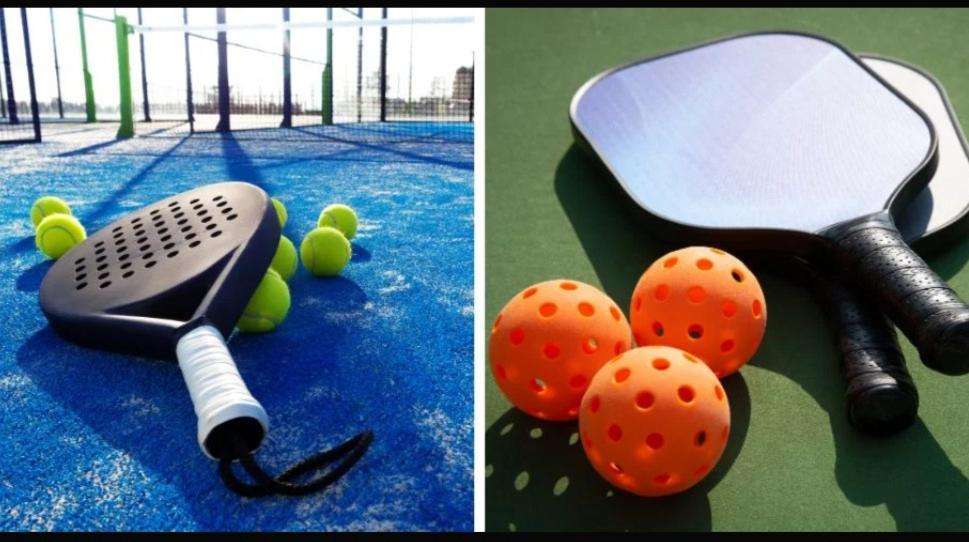
  ***¬Pickleball’s Simplicity:¬** Combining elements of badminton, table tennis, and tennis, Pickleball uses a lightweight paddle and a perforated plastic ball. Played on a court less than half the size of a tennis court, players can learn the basic rules and engage in fun rallies within just 30 minutes of picking up a paddle.


  ***¬Padel’s Dynamic Play:¬** Played in an enclosed glass-walled court roughly one-third the size of a tennis court, Padel incorporates walls similar to squash. The glass walls keep the ball in play longer, allowing beginners to enjoy continuous, action-packed rallies without constantly stopping to pick up balls.

## ​🌐 2. The Power of Community & Social Connection

Modern fitness trends are shifting away from isolated workouts toward social, community-driven activities. Both Pickleball and Padel are inherently doubles-focused sports, creating an environment built around communication, teamwork, and social interaction.


  *​**Urban Networking Hubs:**In major metropolitan cities, court venues are becoming new-age social hubs. Corporate teams use weekly matches for team-building, while local clubs host mixers and open nights where players swap partners after every game.


  *​**Inclusivity Across Generations:** Unlike high-impact sports that put heavy strain on joints, the smaller court size reduces extreme sprinting requirements. This allows younger players to compete on equal footing with older family members, making it a uniquely multi-generational sport.

## ​📈 3. Infrastructure Growth & Real Estate Shift

​The rapid rise of these paddle sports is also driven by smart urban real estate adaptation. Sports club owners, real estate developers, and city planners are converting underutilized urban spaces into high-density racket sports facilities.


  *​**High Court Density:** A single traditional tennis court footprint can easily accommodate up to three Pickleball courts or two indoor Padel courts. This allows venue owners to host significantly more players per hour.


  *​**Commercial Investment:**Private equity firms and celebrity investors have backed professional leagues like* *Major League Pickleball (MLP)**and the***** *Premier Padel**** tour, driving commercial sponsorship, televised broadcasts, and high-tech equipment development.

## ​Conclusion: The Future of Racket Sports

​The explosion of Pickleball and Padel is not a short-lived trend; it reflects a permanent shift in how modern society approaches health, recreation, and community sports. By bridging the gap between competitive athletics and casual social gathering, these two sports have unlocked a formula that traditional sports took decades to build.


​Whether you are looking to stay active, meet new people, or test your hand-eye coordination in a fast-paced game, picking up a paddle might just be the best decision you make this season.

## ​💬 What's Your Pick?

​Have you tried playing Pickleball or Padel yet? Which of the two do you think will become the dominant sport over the next decade?

***¬​Share your thoughts and court experiences in the comments section below! 👇¬***
GENERAL

PICKLEBALL & PADEL: THE REVOLUTION OF MODERN RACKET SPORTS

Like icon
3
Comments icon
Shares icon
thesahiba

18 days ago

**¬Written by Sahiba Khan¬**


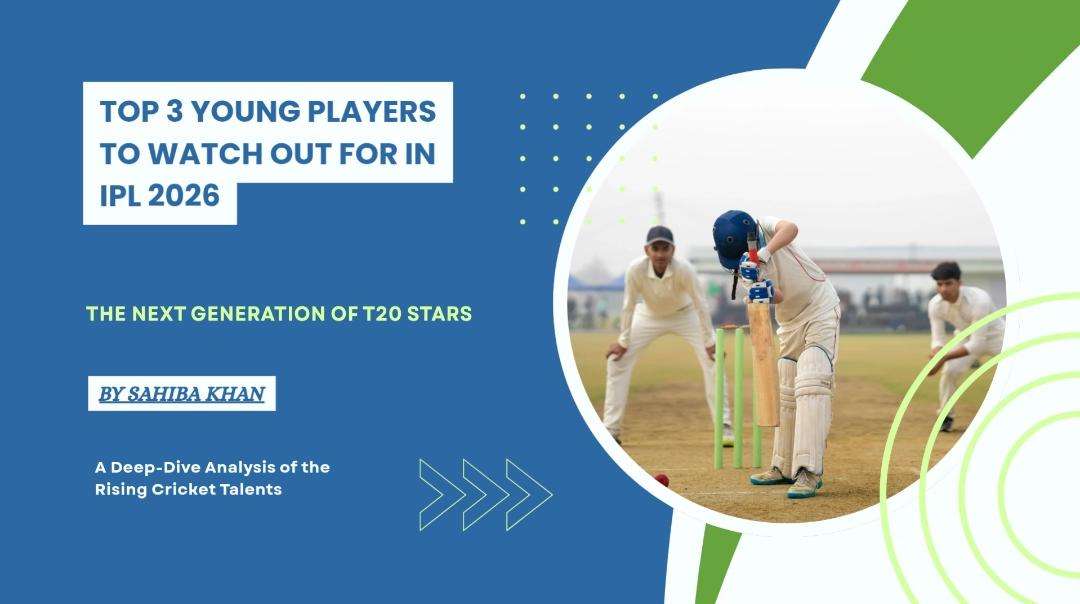
The Indian Premier League (IPL) has always been much more than just a domestic cricket tournament; it is the ultimate global proving ground for young, emerging talent. Over the past decade and a half, the IPL has transformed countess unknown teenagers into international superstars almost overnight. From hard-hitting finishers to fiery fast bowlers, the league provides a stage where pressure meets opportunity.


As teams fine-tune their strategies and squad compositions for IPL 2026, a exciting new wave of fearless young players is preparing to take the spotlight. These athletes do not just carry raw talent; they possess the modern T20 mindset—aggressive, adaptable, and unbothered by big-match pressure.


Here is a deep-dive analysis of the top 3 young players who could have a game-changing impact in IPL 2026.


## ​⚡ 1. Mayank Yadav – The Thunderbolt Speedster

Express pace in cricket is a rare commodity, and when combined with accuracy and relentless hostility, it becomes downright lethal. Mayank Yadav announced his arrival on the big stage by consistently clocking speeds well above **150 km/h**, occasionally touching the 156 km/h mark.


  ***¬​Raw Speed and Bounce:¬** What makes Mayank uniquely dangerous is his natural length. He extracts steep bounce off good length spots, forcing batters into uncomfortable defensive shots or hasty mistimed pulls.


  ***¬​Match Impact:¬**In modern T20 cricket, powerplay overs and death overs are dominated by boundary-hitters. A bowler like Mayank breaks the rhythm of opposition batters by taking crucial wickets in the middle overs.


  ***¬​Key Challenge for 2026:¬** Fitness will be his ultimate deciding factor. Fast bowling at 150+ km/h puts immense strain on the body. If Mayank manages his workload effectively and stays injury-free, he could easily emerge as the most feared Indian fast bowler in IPL 2026.

## ​🔥 2. Angkrish Raghuvanshi – The Fearless Stroke-Maker

The modern T20 game demands top-order batters who can blend classical cricketing technique with innovative power-hitting. Angkrish Raghuvanshi is a prime example of this new-age batting ideology.


  ***¬Technique Meets Aggression:¬** Angkrish possesses an elegant swing of the bat and clean footwork. However, what sets him apart is his lack of hesitation. Whether facing world-class express pacers or top-tier mystery spinners, he isn't afraid to step out or play non-traditional shots.


  ***¬Versatility in the Order:¬** He can anchor the innings if early wickets fall, but he can just as easily accelerate during the powerplay to capitalize on field restrictions.


  *​**¬​Key Challenge for 2026:¬**Oppositions will likely target him with targeted short-ball strategies and tight field placements. His ability to adapt on the go will determine whether he converts his potential into a breakthrough 500+ run IPL season.


## 💥 3. Sameer Rizvi – The Power-Hitting Finisher

Finishing matches in high-stakes T20 encounters is arguably the most difficult role in cricket. It requires composure, situational awareness, and above all, raw power. Sameer Rizvi brings all three to the table.

  ***¬Spin Hitter Extraordinaire:¬**Rizvi’s primary strength lies in his ability to clear the boundary against spin bowling with ease. His quick hand speed and strong lower body allow him to hit massive sixes even off good length deliveries.


  ***¬Death Over Clutch:¬** Tight finishes require a player who can hit boundaries from ball one without needing time to settle. Rizvi has proven in domestic circuits that he can execute high-risk shots consistently in the final 3-4 overs.


  *​**¬​Key Challenge for 2026:¬**Consistency and batting position. Middle-order finishers often get limited balls per innings. Maximizing impact in 10-15 ball cameos will be his key metric of success in IPL 2026.

## ​

## 🏏 Conclusion: Who Will Make the Biggest Impact?

IPL 2026 promises to be a massive stepping stone for India's next generation of cricketers. Mayank Yadav brings game-changing pace, Angkrish Raghuvanshi provides top-order fluency, and Sameer Rizvi offers match-winning power at the back end.

All three players bring distinct skill sets that make them invaluable assets to their respective franchises. As the tournament unfolds, watching these young stars navigate pressure, crowd expectations, and world-class opposition will be one of the main highlights of the season.

# ​💬 What Do You Think?

​​​Who among these three young stars do you think will win the Emerging Player Award in IPL 2026? Will Mayank's pace reign supreme, or will the batters steal the show?

**Let me know your predictions in the comments section below! 👇**
CRICKET

TOP 3 YOUNG PLAYERS TO WATCH OUT FOR IN IPL 2026

Like icon
4
Comments icon
Shares icon