




 0
0Nigeria's D'Tigress Is Back at the World Cup. Can Africa's Champions Finally Break Through Globally?
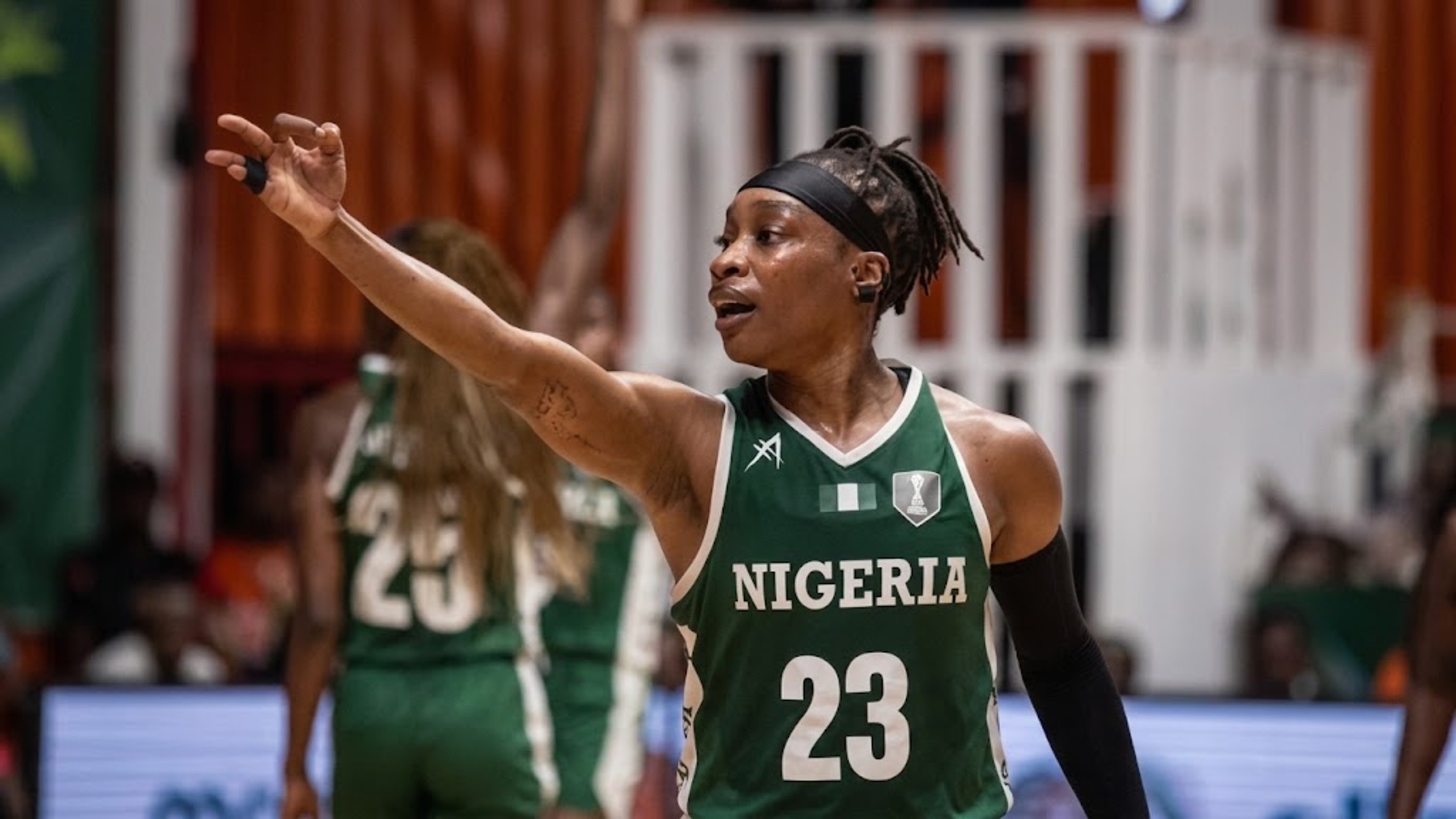
Nigeria's D'Tigress enter this year's FIBA Women's World Cup as African champions, carrying genuine ambition beyond simply representing the continent. Elizabeth Balogun of the New York Liberty and Amy Okonkwo of the Portland Fire give the roster direct WNBA experience, a level of professional pedigree Nigerian women's basketball hasn't consistently had at previous World Cups.
That combination, continental dominance plus growing individual professional experience, raises a genuine question the tournament is about to test directly.
Why African basketball has historically struggled to translate continental success globally
Winning an African championship has never been the hard part for Nigeria's strongest generations. The much harder challenge has been converting that continental dominance into genuine competitiveness against the deeper, more professionally developed programs from Europe, the Americas and increasingly Asia, where players have far more consistent access to elite-level competition throughout their careers.
That gap isn't about raw talent. It's about structural access: fewer Nigerian players have historically had a direct pathway into leagues like the WNBA compared to their European counterparts, limiting how much international-caliber experience the broader player pool accumulates before a major tournament.
Why this specific roster represents genuine progress
Having two players with current WNBA roster spots, rather than none or one, reflects real movement in how African talent is being scouted and developed by professional leagues abroad. That's a meaningful structural shift from previous cycles, where Nigeria often relied more heavily on players developed entirely outside top-tier professional systems.
It's not yet the same level of professional saturation that nations like France or Australia bring into this tournament, but it represents a genuine, measurable step in that direction.
What actually needs to happen for a breakthrough to be real
A single strong tournament run wouldn't, by itself, prove Nigeria has closed the structural gap with the sport's traditional powers. What would matter more is whether this level of professional representation continues and grows across subsequent tournament cycles, reflecting a genuinely improving pipeline rather than one unusually well-positioned generation of players.
That's the harder, longer-term test any "breakthrough" story in sport eventually has to pass.
Why this tournament still matters regardless of the final result
Simply reaching the World Cup with genuine WNBA representation on the roster is itself a meaningful marker of progress for African women's basketball, independent of how far Nigeria advances in Berlin. It signals to the next generation of African players, and to scouts evaluating them, that a pathway to the sport's highest professional level genuinely exists and is actively being used.
Nigeria arrives with more direct professional pedigree than in previous cycles, chasing a breakthrough African basketball has long promised but rarely delivered on the global stage. Is this the generation that finally closes the gap with the sport's traditional powers, or does genuine structural change still require several more cycles before results catch up with ambition?

Sarajevo Back at the Heart of Regional MMA: SFC Returns with Explosive Matchups

How Buzzer Karma Works: Levels, Penalties, and What They Mean

Inside Buzzer's Latest Update (and Why It Changes How You Use the App)

Buzzer Introduces Ads Console: A New Era of Advertising Across the Entire Buzzer Ecosystem

Buzzer Is Evolving: From Quantity to Quality

Buzzer Now Has a Games Hub, and Tournaments Are Coming

Al Ittihad SC's Matches Are Now Live on Buzzer

Palm City vs Gulf United Ends in 1–1 Draw in UAE Second Division League Clash

"We Don't Take the Guy With the Camera." He Built His Own Club Anyway. Now He's Coming to Find You.

Building the Infrastructure Sports Tech Forgot


 1
1 

