




 0
0The €100 Million Teenager: When Did Football Start Treating Teenagers Like Blue-Chip Assets?
Ayyoub Bouaddi turned 18 in October 2025.
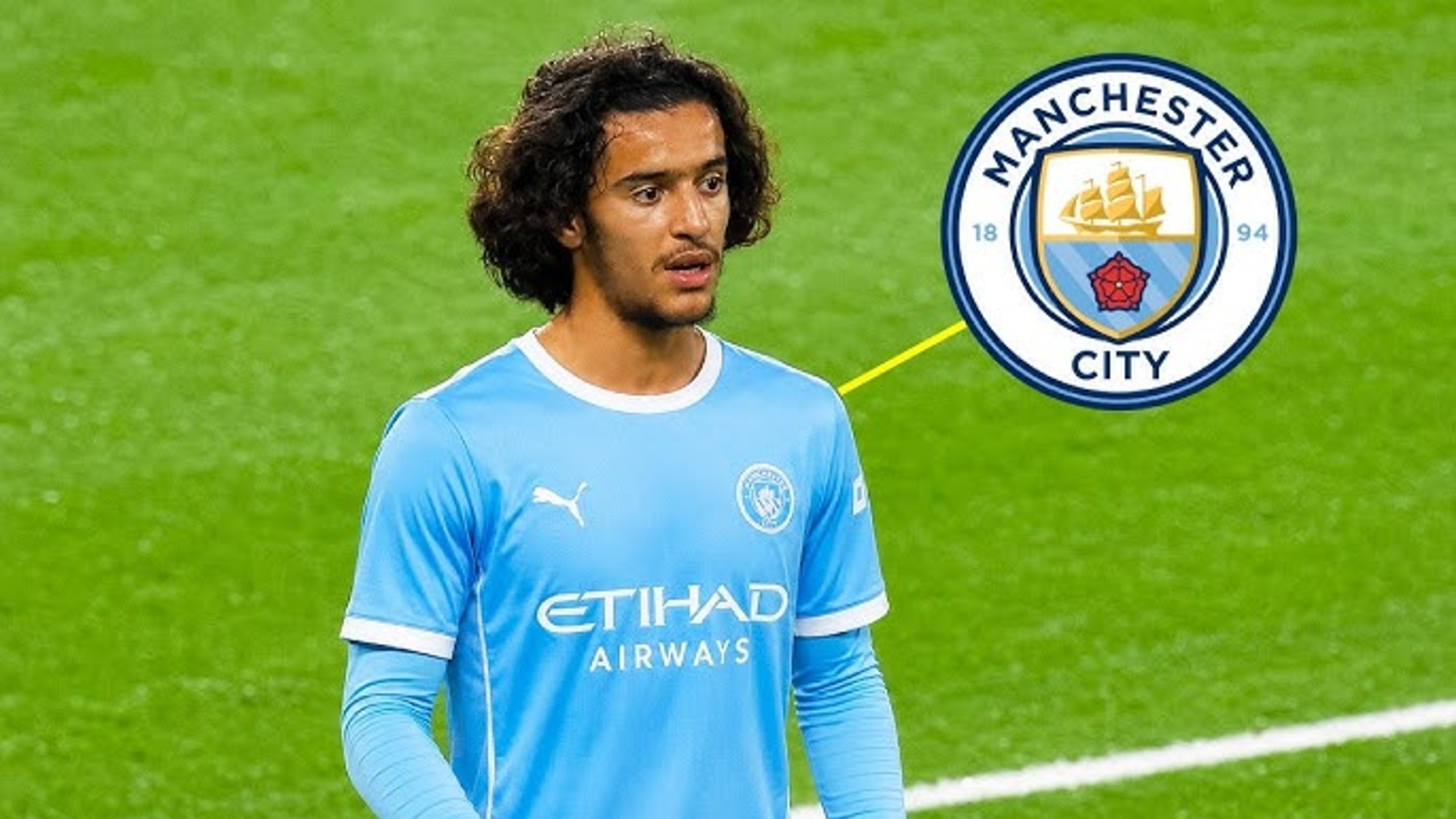
Less than a year later, Manchester City agreed to pay Lille up to €100 million for him, making the Moroccan midfielder one of the most expensive teenagers in football history.
He has one senior season of consistent starts, one World Cup, and no Premier League experience at all.
The fee says less about what Bouaddi has already proven, and more about how football's transfer market now prices potential itself as a tradeable asset.
A breakout built almost entirely on one tournament
Bouaddi's rise happened remarkably fast.
He made 42 appearances for Lille last season as a regular starter, useful and promising numbers for a teenager, but nothing that would ordinarily command a nine-figure fee on their own.
What transformed his valuation was his performance for Morocco at the 2026 World Cup, where he played a central role in the country's run to the quarter-finals, including a composed display against Brazil that drew attention from clubs across Europe.
Arsenal, Paris Saint-Germain, Bayern Munich and Real Madrid were all reportedly interested before City moved into pole position.
That's the pattern increasingly driving elite transfer valuations: a single high-profile tournament, watched by hundreds of millions of people, can transform a promising but unproven player into one of the most sought-after assets in the sport within a matter of weeks.
A fee built around what he might become, not what he's done
City's motivation traces directly back to necessity as much as ambition.
The club lost three established midfielders this summer, Rodri to Barcelona, alongside Bernardo Silva and Tijjani Reijnders, leaving a genuine gap that needed filling.
But rather than simply replacing Rodri with an equivalent, proven talent, City chose to spend similarly enormous money on a teenager who might, with the right development, eventually reach that level, a bet on long-term ceiling rather than guaranteed short-term output.
That's the logic behind treating a player like Bouaddi as closer to a blue-chip investment than a straightforward transfer: the fee reflects five or more years of potential prime-age performance still ahead of him, plus significant resale value if he does develop as hoped, rather than being judged purely against what a club could get from a more proven alternative right now.
The risk sitting underneath every fee like this
The obvious danger is that potential, unlike proven output, isn't guaranteed to materialise.
Plenty of teenage prospects who look transformative on the biggest stage never fully translate that promise into sustained senior performance once the spotlight moves elsewhere and opposition analysts have had a full season to prepare specific plans against them.
City's willingness to gamble €100 million on exactly that uncertainty reflects both genuine confidence in their scouting and medical assessments, and the financial reality that elite clubs increasingly have the resources to absorb that kind of risk even if it doesn't pay off.
Whether Bouaddi justifies the fee will take years to know for certain.
What's already clear is that football's transfer market has fully embraced treating teenage potential itself as something worth pricing in the tens of millions, well before a player has had the chance to prove it in senior competition on a week-to-week basis.
Does pricing potential this aggressively make sense as a long-term investment strategy for elite clubs, or does it just reflect how much money is now sloshing around a market with fewer and fewer proven bargains left to find?

Sarajevo Back at the Heart of Regional MMA: SFC Returns with Explosive Matchups

How Buzzer Karma Works: Levels, Penalties, and What They Mean

Inside Buzzer's Latest Update (and Why It Changes How You Use the App)

Buzzer Introduces Ads Console: A New Era of Advertising Across the Entire Buzzer Ecosystem

Buzzer Is Evolving: From Quantity to Quality

Buzzer Now Has a Games Hub, and Tournaments Are Coming

Al Ittihad SC's Matches Are Now Live on Buzzer

Palm City vs Gulf United Ends in 1–1 Draw in UAE Second Division League Clash

"We Don't Take the Guy With the Camera." He Built His Own Club Anyway. Now He's Coming to Find You.

Building the Infrastructure Sports Tech Forgot


 2
2 

