




 0
0Pakistan's Cricket Crisis Is Now Bigger Than Seven Players. How Did a Former No. 1 Fall This Far?
Pakistan became the world's top-ranked Test team in August 2016, ending a turbulent seven-year stretch that had forced them to play home matches on neutral ground. A decade later, they sit seventh in the same rankings, beaten by an innings in the first Test of this year's England series and by 194 runs in the second.
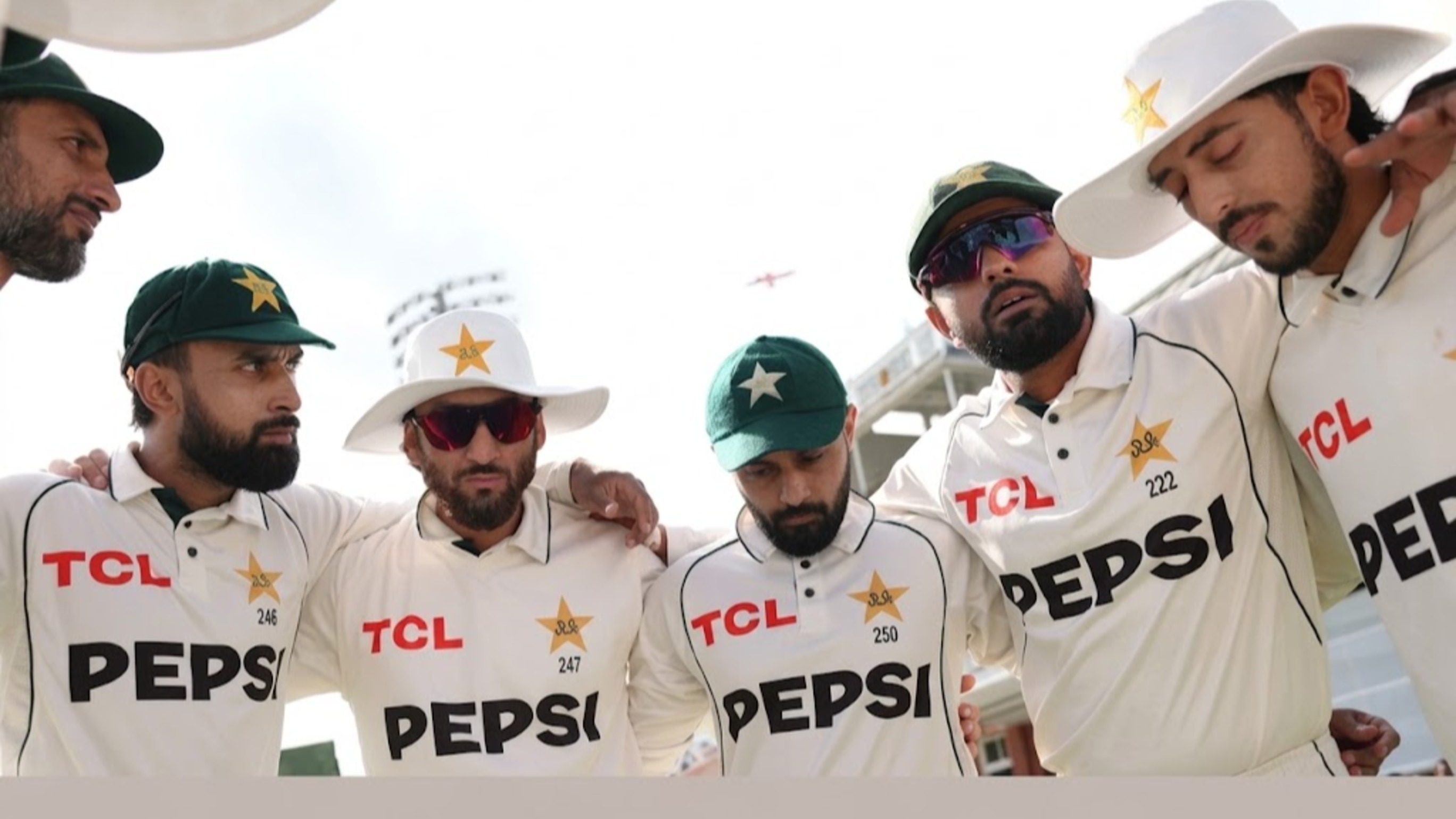
The seven players sent home mid-series and the coaching change that followed aren't the actual crisis. They're the latest symptom of one that's been building for years.
Why this decline didn't happen overnight
Pakistan hasn't won a home Test since February 2021, a streak of ten straight games without victory on their own soil. One recent analysis of the program traced the current slide specifically to a series of choices made since 2022, describing a team that "chose the safety of a dead pitch over the risk of a result, and never really chose differently again."
That's a description of a program that stopped competing to win and started playing not to lose, a subtle but corrosive shift that compounds over years rather than showing up in any single bad result, and one that's often invisible to casual fans until the losses finally start piling up publicly.
The structural decision that damaged the talent pipeline
In 2019, the Pakistan Cricket Board abolished the departmental cricket system that had sustained the country's first-class talent pipeline for nearly five decades, a decision that left more than 400 professional cricketers without a domestic pathway to develop and earn a living from the game. That's not a coaching decision or a selection call. It's a structural change to how the entire country develops cricketers, and its effects take years to fully surface in the national team.
A talent pipeline damaged in 2019 is only now producing the players expected to carry the senior team through this decade.
Why administrative chaos compounds the on-field decline
Pakistan has had four different PCB chairmen since 2021, with the current chairman holding a dual role as both cricket administrator and government Interior Minister, an arrangement that's drawn real conflict-of-interest concerns. Political turnover at the top of the board tends to reset coaching philosophies and selection priorities with each new appointment, undermining exactly the kind of long-term continuity a talent pipeline recovery would require.
That's the deeper pattern underneath this week's headlines: a board that keeps changing direction before any previous direction has had time to actually work.
What "bigger than seven players" actually means
The players sent home this week aren't the reason Pakistan fell from No. 1 to No. 7. They're simply the most visible, recent casualties of a program that's been eroding on multiple fronts simultaneously: structural talent development, administrative stability, and on-field tactical identity, for the better part of a decade.
Fixing that requires addressing all three fronts at once, not just rotating personnel until the results improve on their own, a much harder and less immediately satisfying task than any single roster change.
Pakistan went from the top of world Test cricket to their worst position in decades through a slow accumulation of structural decisions, not one bad series. Is a program this deeply eroded even capable of a genuine recovery through the kind of reactive personnel changes it keeps making, or does real repair require patience the current system has shown no sign of having?

Sarajevo Back at the Heart of Regional MMA: SFC Returns with Explosive Matchups

How Buzzer Karma Works: Levels, Penalties, and What They Mean
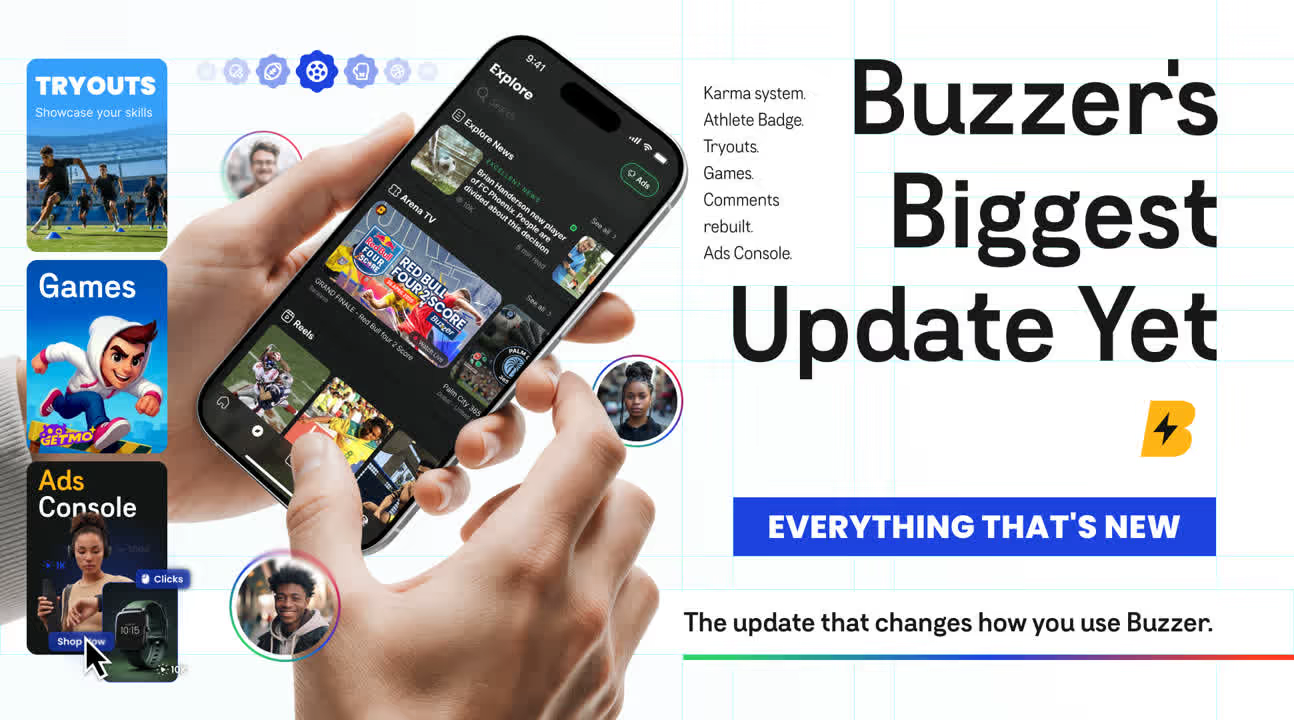
Inside Buzzer's Latest Update (and Why It Changes How You Use the App)

Buzzer Introduces Ads Console: A New Era of Advertising Across the Entire Buzzer Ecosystem

Buzzer Is Evolving: From Quantity to Quality

Buzzer Now Has a Games Hub, and Tournaments Are Coming

Al Ittihad SC's Matches Are Now Live on Buzzer

Palm City vs Gulf United Ends in 1–1 Draw in UAE Second Division League Clash

"We Don't Take the Guy With the Camera." He Built His Own Club Anyway. Now He's Coming to Find You.

Building the Infrastructure Sports Tech Forgot


 1
1 

