




 0
0Six Seasons In, Why Is The Hundred Still Defending Its Place in English Cricket?
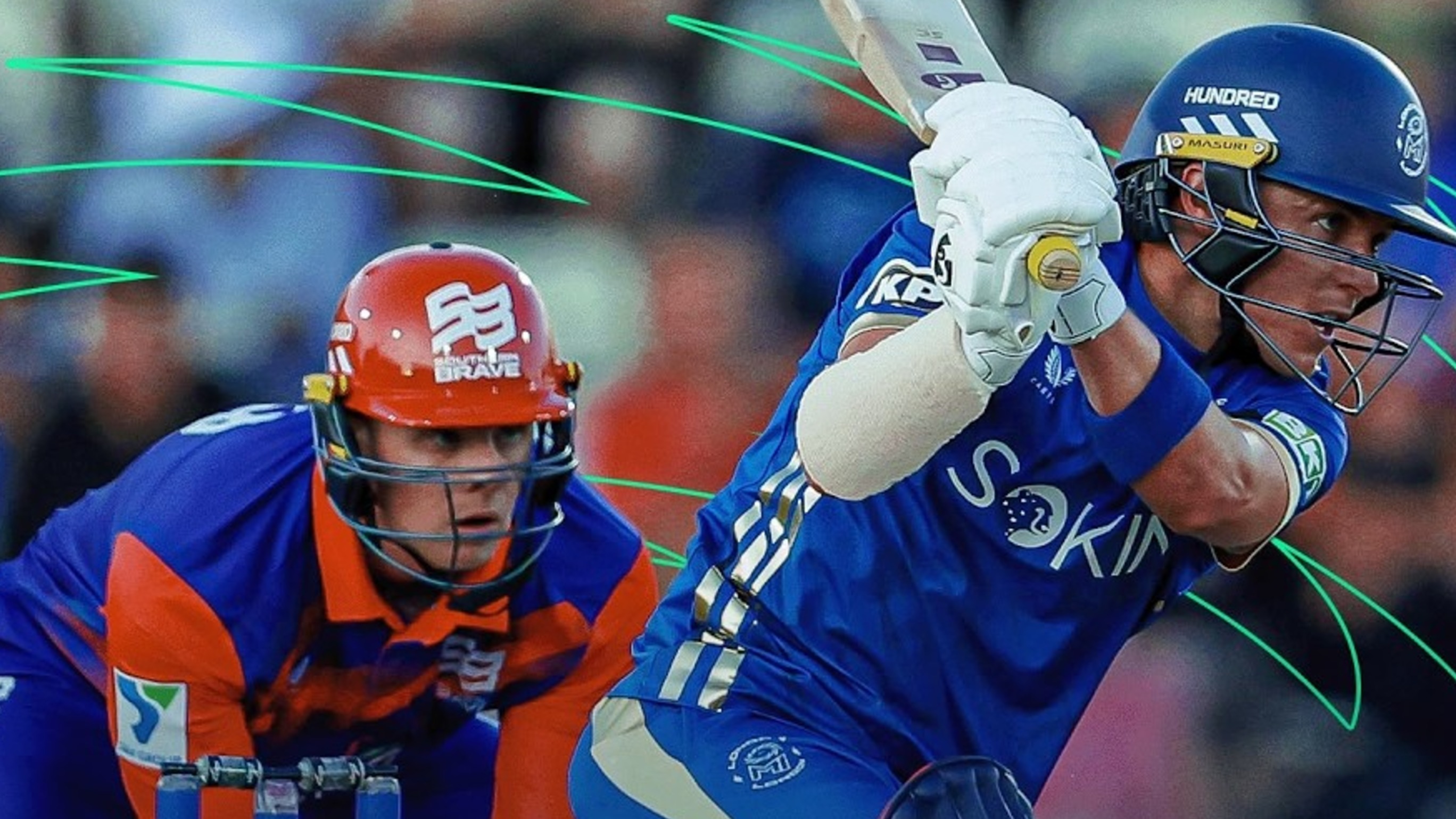
Manchester Super Giants won their first Hundred title this August, chasing down 159 with two balls to spare at Lord's. Trent Rockets' Georgia Adams inspired the women's side to their own maiden title a week earlier. By most measures, it was one of the competition's most competitive seasons yet.
The cricket press's own verdict, in the same breath as covering those finals: "Six seasons in, still the Hundred has to fight for self-justification."
What actually changed behind the scenes this year
This wasn't a quiet season administratively. Three franchises rebranded entirely. The competition scrapped its player draft in favor of English cricket's first-ever auction system. Overseas player quotas rose from three to four per XI. Most significantly, IPL ownership groups took direct operational control of several franchises, embedding the format more deeply into global T20 cricket's biggest financial ecosystem than ever before.
That's a genuinely different competition than the one that launched in 2021, in almost every structural sense except the 100-ball format itself.
Why the legitimacy question keeps surviving improved cricket
The Hundred was created partly to simplify cricket for newer fans and partly to secure broadcast revenue the ECB judged the existing domestic T20 competition couldn't generate on its own. Neither of those founding justifications has fully quieted critics who see the format as an artificial disruption to a sport that already had a working short-format competition before The Hundred existed.
That's the core tension that keeps resurfacing every season, regardless of how good the actual cricket gets: a format can improve in quality while the argument over whether it should have replaced what came before it stays completely unresolved.
Why IPL ownership changes the debate further
Handing operational control to IPL franchise groups accelerates The Hundred's integration into a genuinely global T20 ecosystem, one where players, coaching staff and even ownership increasingly overlap across leagues on different continents. Supporters see that as inevitable, sensible globalization. Critics see it as further evidence the competition prioritizes international investment and broadcast appeal over organic domestic cricket culture.
Both readings are defensible, which is exactly why neither side of this argument has managed to settle it after six full seasons.
What keeps the format going despite the ongoing fight
Attendance and broadcast numbers have remained strong, and the standard of cricket, by most independent assessments, has genuinely improved as more overseas talent and IPL money flow into the competition. That combination, growing commercial success alongside a debate about legitimacy that refuses to die down, is a fairly unusual position for a professional sports competition to sit in this deep into its existence.
Most new formats either fail outright within a few seasons or eventually settle into accepted normalcy. The Hundred appears to be doing neither.
Six years in, The Hundred keeps getting more competitive, more commercially embedded, and no less controversial. Is that ongoing fight over its legitimacy actually a sign of a format that never fully justified its own existence, or is it just what happens whenever a sport changes something people grew up believing was fixed?

Sarajevo Back at the Heart of Regional MMA: SFC Returns with Explosive Matchups

How Buzzer Karma Works: Levels, Penalties, and What They Mean

Inside Buzzer's Latest Update (and Why It Changes How You Use the App)

Buzzer Introduces Ads Console: A New Era of Advertising Across the Entire Buzzer Ecosystem

Buzzer Is Evolving: From Quantity to Quality

Buzzer Now Has a Games Hub, and Tournaments Are Coming

Al Ittihad SC's Matches Are Now Live on Buzzer
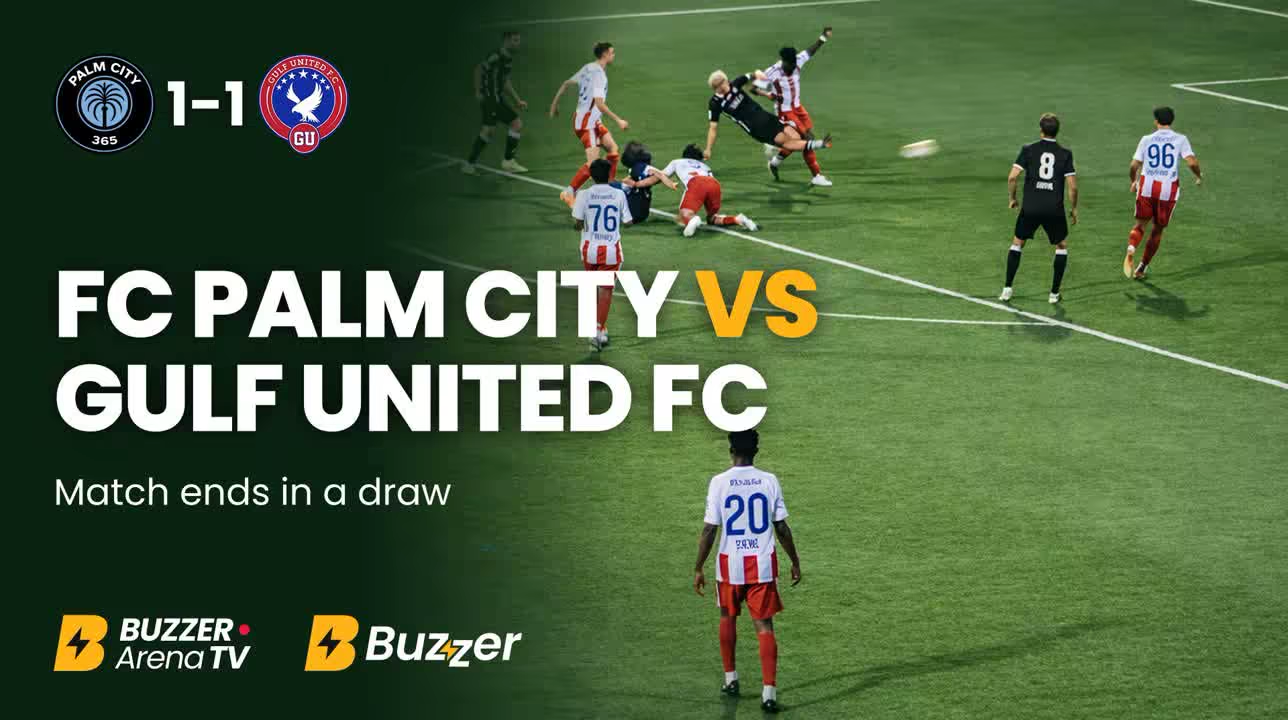
Palm City vs Gulf United Ends in 1–1 Draw in UAE Second Division League Clash

"We Don't Take the Guy With the Camera." He Built His Own Club Anyway. Now He's Coming to Find You.

Building the Infrastructure Sports Tech Forgot


 1
1 

