




 0
0Why Are Marathoners Getting Faster While the Distance Hasn't Changed?
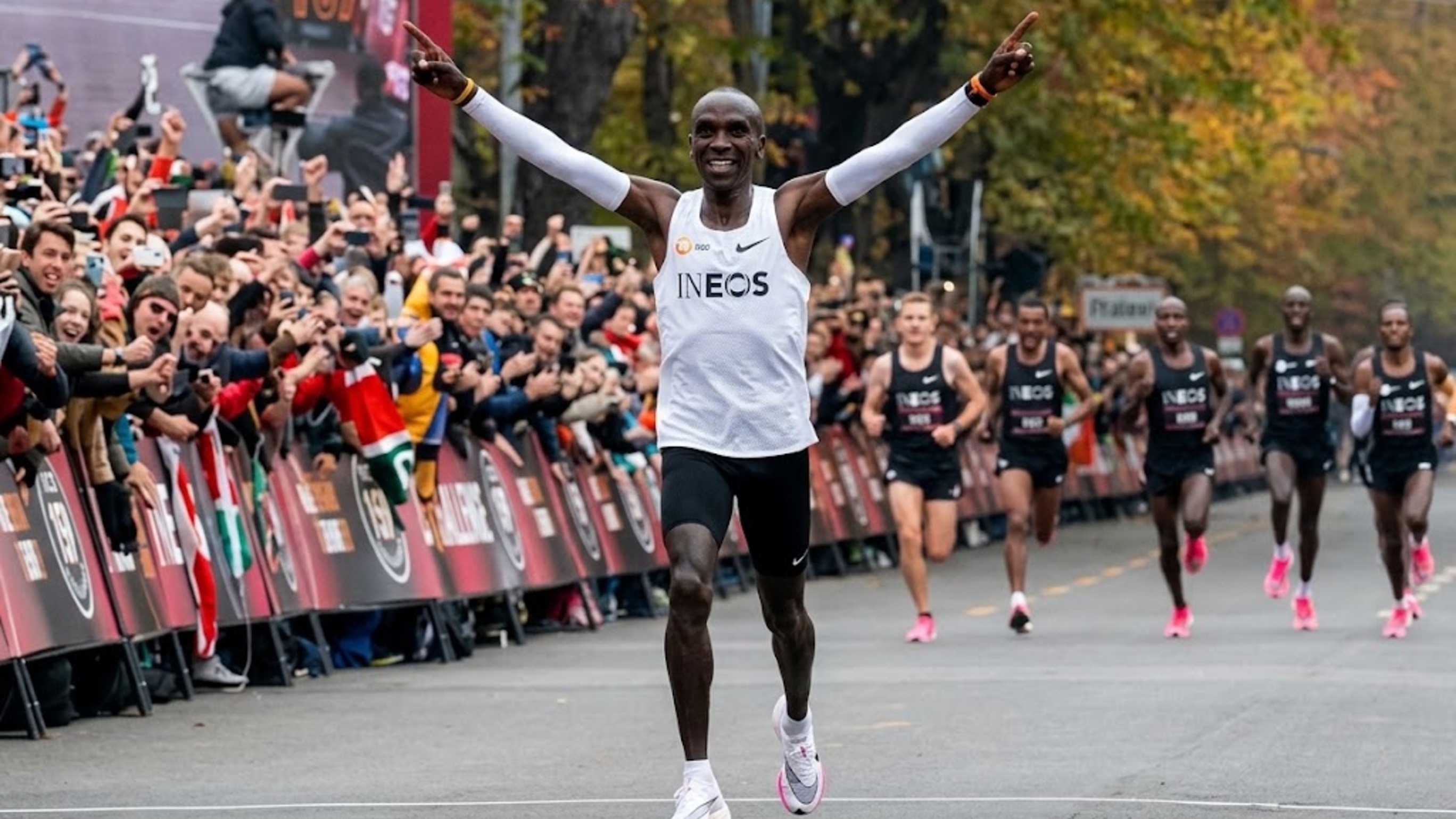
The marathon distance has been fixed at 26.2 miles since 1921. The times elite runners cover that exact distance in keep dropping anyway, repeatedly, across both the men's and women's fields, decade after decade.
That's a genuinely interesting puzzle: a sporting distance that hasn't budged, producing results that keep improving as though the course itself were somehow getting shorter.
Why shoe technology gets most of the credit, and deserves some of it
Carbon-plated racing shoes, which became widely available in the late 2010s, introduced a genuine, measurable propulsive advantage over previous shoe designs, one that independent studies have estimated saves runners several percentage points in running economy. That's a real, physics-based explanation for at least part of the recent wave of faster times, and it's the factor most casual fans point to first.
It's not, however, the whole story. Records were falling before this specific shoe technology existed too, just at a somewhat slower rate.
Why training science has quietly closed a different gap
Elite marathon training has grown significantly more sophisticated over the past two decades, with individualized altitude training protocols, more precise nutrition and hydration strategies during races, and recovery techniques that let athletes sustain higher training volumes without breaking down. None of that shows up as dramatically as a new shoe, but the cumulative effect on an athlete's underlying fitness is genuinely significant.
That's the less visible half of the equation: athletes arriving at the start line with a higher baseline fitness than equivalent athletes a decade or two earlier, independent of anything happening on their feet.
Why professionalization and depth matter as much as any single innovation
The marathon has become a genuinely more professionalized sport globally, with more full-time elite athletes, more prize money at major races, and a deeper overall competitive field than existed a generation ago. Deeper fields produce faster times structurally, since a larger group of elite runners sharing pacing duties can sustain a quicker collective pace than any single dominant runner managing the effort alone.
That depth effect compounds with the technology and training improvements rather than operating separately from them, making it difficult to isolate any single factor as the primary driver.
Why course design and race organization play a role too
Major marathon organizers have increasingly optimized courses and pacing strategies specifically to support fast times, from flatter, more direct routes to professional pacemakers deployed specifically to help elite fields hit optimal splits. That's a deliberate choice by race organizers, not a natural byproduct of the sport, and it reflects how much major marathons now compete with each other for the prestige of hosting record-breaking performances.
The distance hasn't changed in over a century, but nearly everything around it, the shoes, the training, the depth of competition, and the races themselves, has. Which of those factors do you think matters most, and is there a limit to how much further times can fall before human physiology itself becomes the binding constraint?

Sarajevo Back at the Heart of Regional MMA: SFC Returns with Explosive Matchups

How Buzzer Karma Works: Levels, Penalties, and What They Mean

Inside Buzzer's Latest Update (and Why It Changes How You Use the App)

Buzzer Introduces Ads Console: A New Era of Advertising Across the Entire Buzzer Ecosystem

Buzzer Is Evolving: From Quantity to Quality

Buzzer Now Has a Games Hub, and Tournaments Are Coming

Al Ittihad SC's Matches Are Now Live on Buzzer

Palm City vs Gulf United Ends in 1–1 Draw in UAE Second Division League Clash

"We Don't Take the Guy With the Camera." He Built His Own Club Anyway. Now He's Coming to Find You.

Building the Infrastructure Sports Tech Forgot


