




 1
1Naomi Osaka Back in the US Open's Second Week. Can Confidence Be Rebuilt After Falling From the Top?
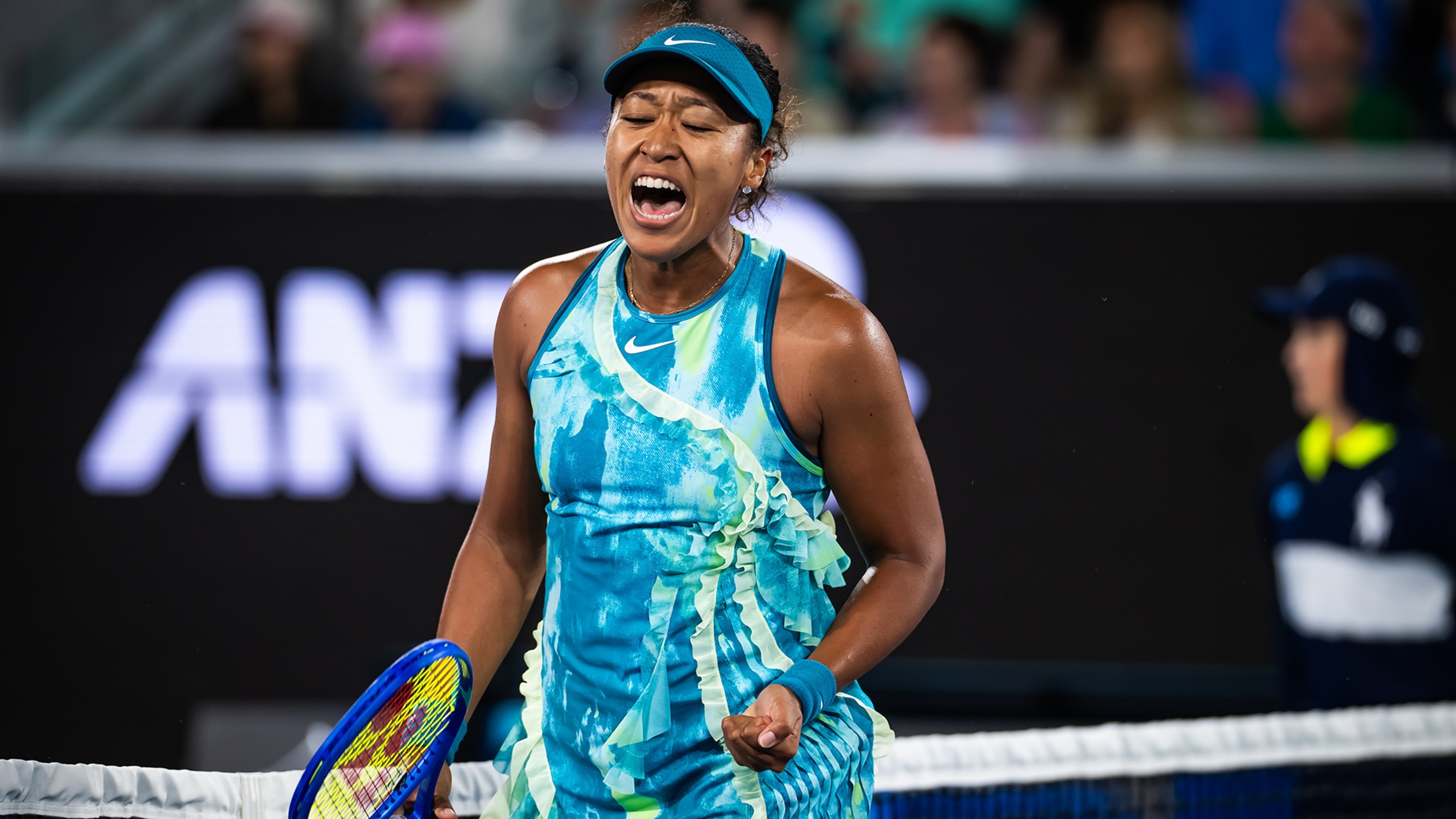
Naomi Osaka led Katerina Siniakova 4-2 in the second set, cruising toward a routine straight-sets win. She then lost four consecutive games, was broken while serving for the match, and watched a comfortable lead completely evaporate.
She still won, 6-2, 5-7, 6-1, taking six of the final seven games to close it out.
Why this specific pattern matters for a player like Osaka
Osaka has been candid for years about her own tendency toward self-criticism mid-match, a habit that's derailed leads before. "I think I was a little bit too hard on myself," she said afterward, naming the exact dynamic that's defined some of her toughest losses in the past.
What's different now isn't that the wobble happened. It's what happened after it, and that distinction is exactly the kind of detail that gets lost in a simple recap of the final score.
The specific adjustment that turned the match back around
Osaka took a deliberate bathroom break before the third set, a small, practical reset rather than any dramatic tactical overhaul. "I took the bathroom break, tried to regroup," she said. "I just told myself that it's an honor to play on this court."
That's a genuinely different internal script than the frustration that used to compound during her toughest stretches. Reframing pressure as privilege, rather than threat, is a specific, learnable mental technique, not just a vague call to stay positive, and it's one she's described leaning on repeatedly since her return to the tour.
Why rebuilding confidence after a fall from No. 1 is its own distinct challenge
Osaka has been the best player in the world before, a status that comes with a specific kind of self-expectation that never fully disappears even during a form slump. A player who's never been ranked Number one loses a match and moves on. A player who has been Number one carries the added weight of knowing exactly what their ceiling looks like, which can make any lapse feel like more than just one bad stretch of games.
That's a genuinely different psychological burden than a rising player without that history has to manage.
Why this particular win is a meaningful data point
A dominant straight-sets win wouldn't have told Osaka much about whether her composure under real adversity has actually improved. A near-collapse followed by a controlled recovery does exactly that. It's proof, generated in real match conditions rather than practice, that the specific pattern that's hurt her before didn't fully take over this time.
She next faces Belgium's Elise Mertens, another genuine step up that will offer a further test of whether Thursday's recovery reflects a real shift or a one-off good response, and one that will likely draw an even louder, more partisan Ashe crowd behind her.
Osaka let a comfortable lead slip and then calmly took it back anyway. Is that kind of in-match recovery actual proof that her confidence has been genuinely rebuilt since her time at the top, or is one good response to one bad patch too small a sample to know yet?

Sarajevo Back at the Heart of Regional MMA: SFC Returns with Explosive Matchups

How Buzzer Karma Works: Levels, Penalties, and What They Mean

Inside Buzzer's Latest Update (and Why It Changes How You Use the App)

Buzzer Introduces Ads Console: A New Era of Advertising Across the Entire Buzzer Ecosystem

Buzzer Is Evolving: From Quantity to Quality

Buzzer Now Has a Games Hub, and Tournaments Are Coming

Al Ittihad SC's Matches Are Now Live on Buzzer

Palm City vs Gulf United Ends in 1–1 Draw in UAE Second Division League Clash

"We Don't Take the Guy With the Camera." He Built His Own Club Anyway. Now He's Coming to Find You.

Building the Infrastructure Sports Tech Forgot


 1
1  4
4 
