




 2
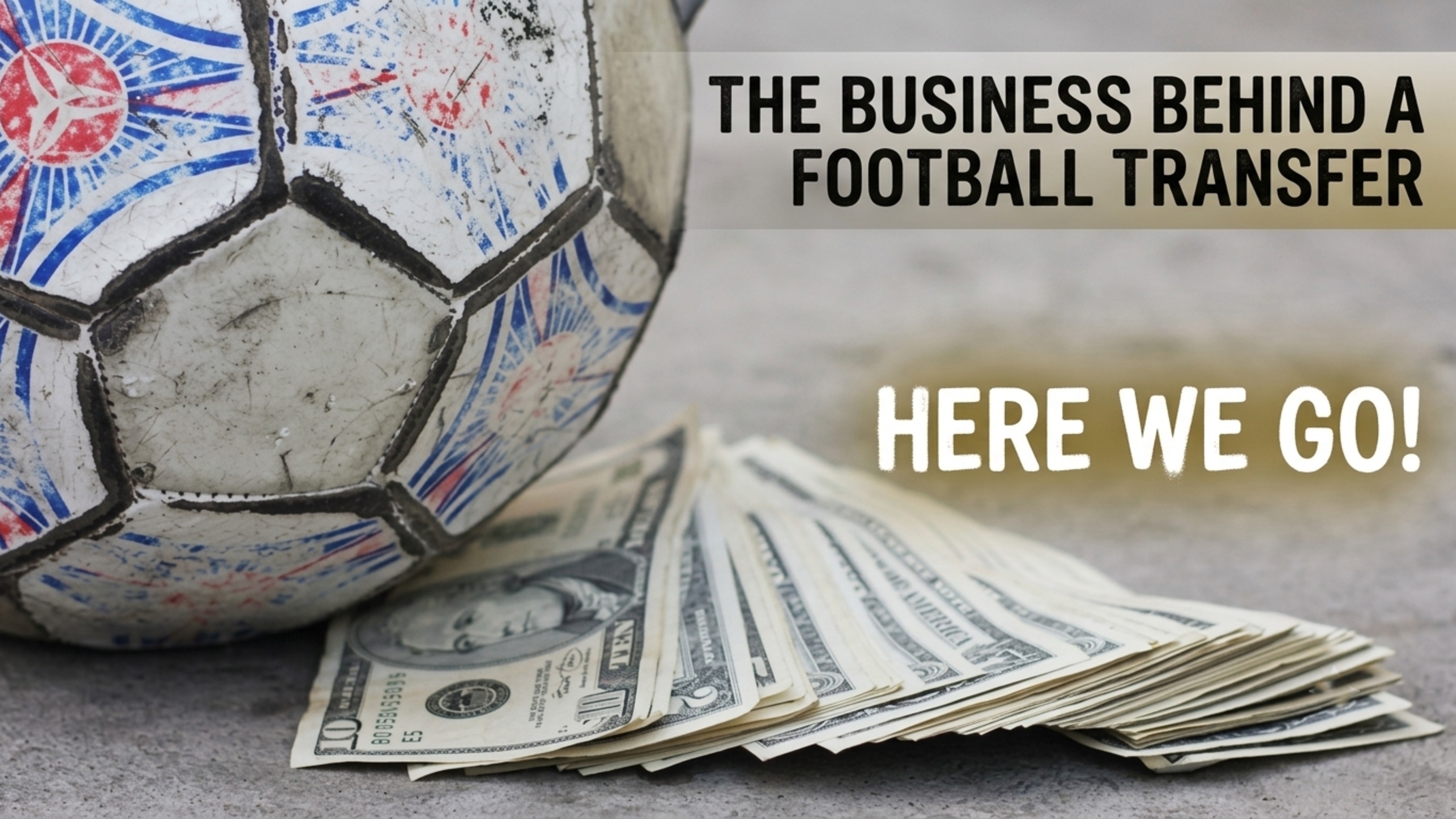
2The Business Behind a Football Transfer
Transfer deadline day gets treated like theater, complete with breaking news graphics and reporters standing outside medical centers. What barely gets explained is the paperwork underneath all of it, which is where the real money actually moves.
The Sell-On Clause
Start with the sell-on clause, probably the most misunderstood term in football finance. It's an agreement written into a transfer contract entitling the selling club to a percentage of any future transfer fee if the player gets sold again down the line.
Barcelona's deal selling Cesc Fabregas to Arsenal in 2003 included a sell-on arrangement that paid off years later when Chelsea signed him from Arsenal, netting Barcelona a meaningful chunk of that later fee just for having negotiated smart paperwork a decade earlier.
Release Clauses vs. Buyout Clauses
Release clauses work completely differently, and they're often confused with buyout clauses even though there's a technical difference. A release clause sets a fixed figure that legally obligates the selling club to accept an offer once it's met, no negotiation required.
Neymar's release clause at Barcelona was reportedly set at 222 million euros, and when Paris Saint-Germain paid that exact figure in 2017, Barcelona had no legal ability to block the move under Spanish law, regardless of whether they wanted to sell.
Solidarity Payments
Solidarity payments are the mechanism nobody outside football finance ever discusses, despite quietly redistributing serious money every transfer window.
Under FIFA rules, when a professional moves between clubs in different countries, 5 percent of the fee gets distributed among every club that helped develop that player between the ages of 12 and 23.
When Neymar moved to PSG, his very first club, Santos, received a solidarity payment worth several million euros purely for having coached him as a teenager, years after he'd left.
Image Rights
Image rights add an entirely separate revenue stream, one that's become its own negotiation category for the biggest names in the sport.
Rather than folding commercial value into a standard playing contract, top players like Cristiano Ronaldo have historically negotiated image rights deals separately from their club salary, letting them profit directly off sponsorship and merchandising tied to their likeness rather than splitting everything with the club.
Agent Fees
Then there are agent fees, the piece fans complain about loudest and understand least. Agents negotiate percentages on both the transfer fee and the player's wages, which is exactly why some deals stall for weeks even after both clubs have agreed a fee. The headline transfer number reported on television is rarely the full financial picture.
Why Academies Fight So Hard
These mechanisms also explain why smaller clubs fight so hard over academy paperwork that fans never see reported. A youth academy that develops a player for five years before he ever plays a senior minute is effectively banking future solidarity payments as much as it's developing talent for its own first team, which is exactly why clubs in smaller leagues have become so aggressive about scouting and formally registering players as young as twelve.
The transfer market that fans watch play out on deadline day is really just the visible tip of a system that starts financially rewarding clubs years before a single senior appearance happens.
Put all five mechanisms together and the actual transfer fee splashed across a graphic is often the least interesting number in the deal. The real business happens in clauses most fans skip past entirely. Next time a transfer breaks, look past the fee and ask who else is quietly getting paid.
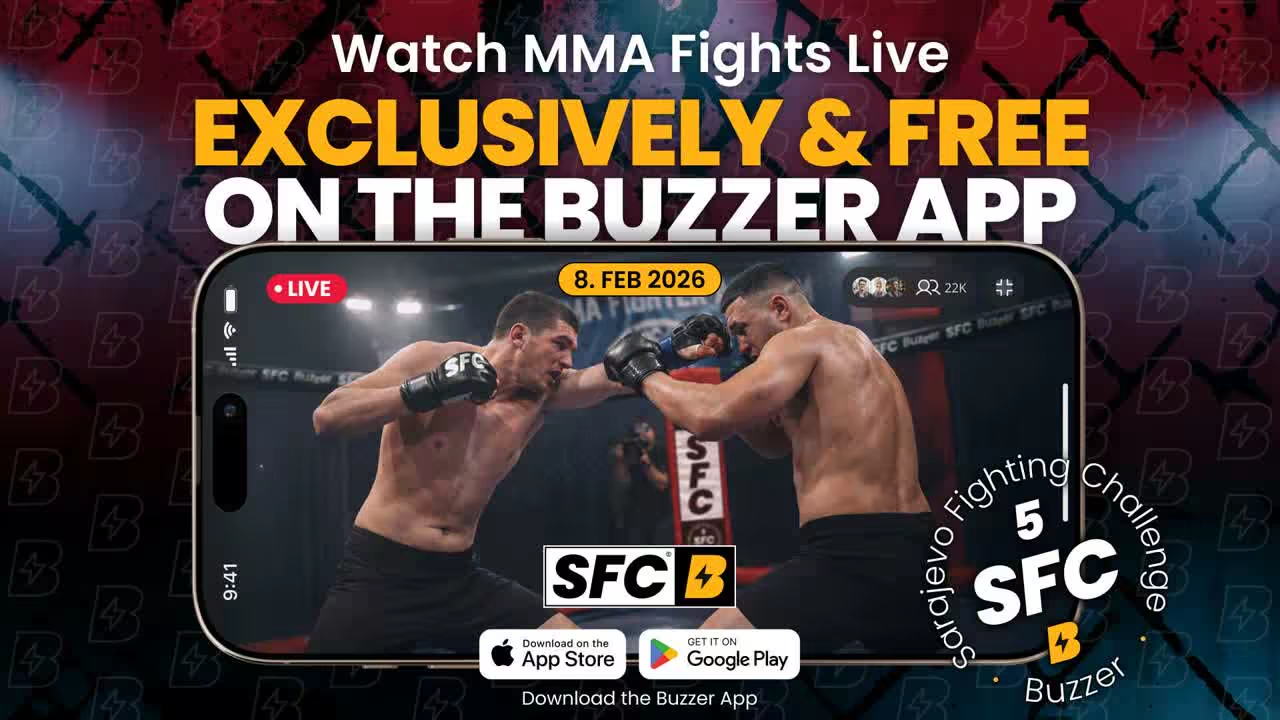
Sarajevo Back at the Heart of Regional MMA: SFC Returns with Explosive Matchups

How Buzzer Karma Works: Levels, Penalties, and What They Mean
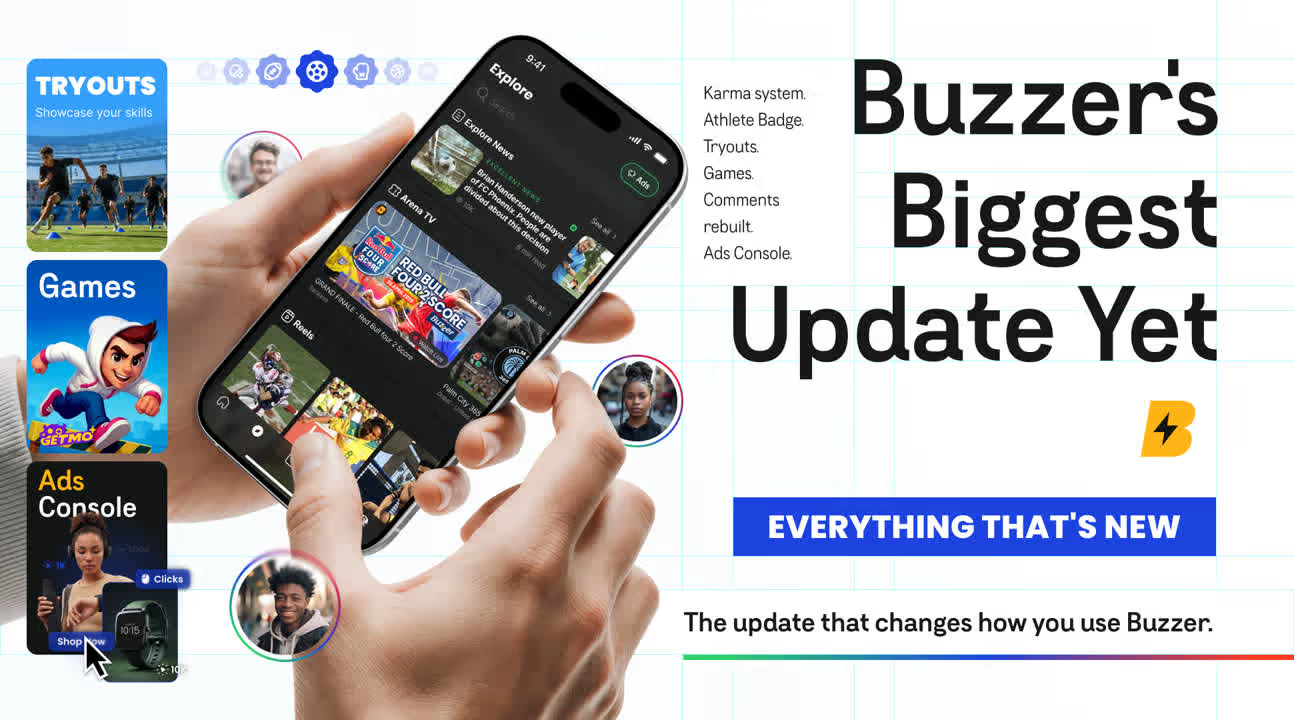
Inside Buzzer's Latest Update (and Why It Changes How You Use the App)

Buzzer Introduces Ads Console: A New Era of Advertising Across the Entire Buzzer Ecosystem
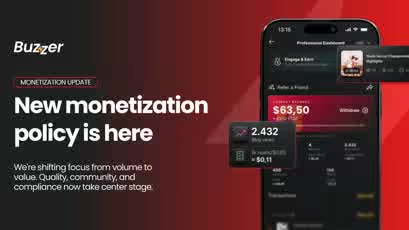
Buzzer Is Evolving: From Quantity to Quality

Buzzer Now Has a Games Hub, and Tournaments Are Coming
Al Ittihad SC's Matches Are Now Live on Buzzer
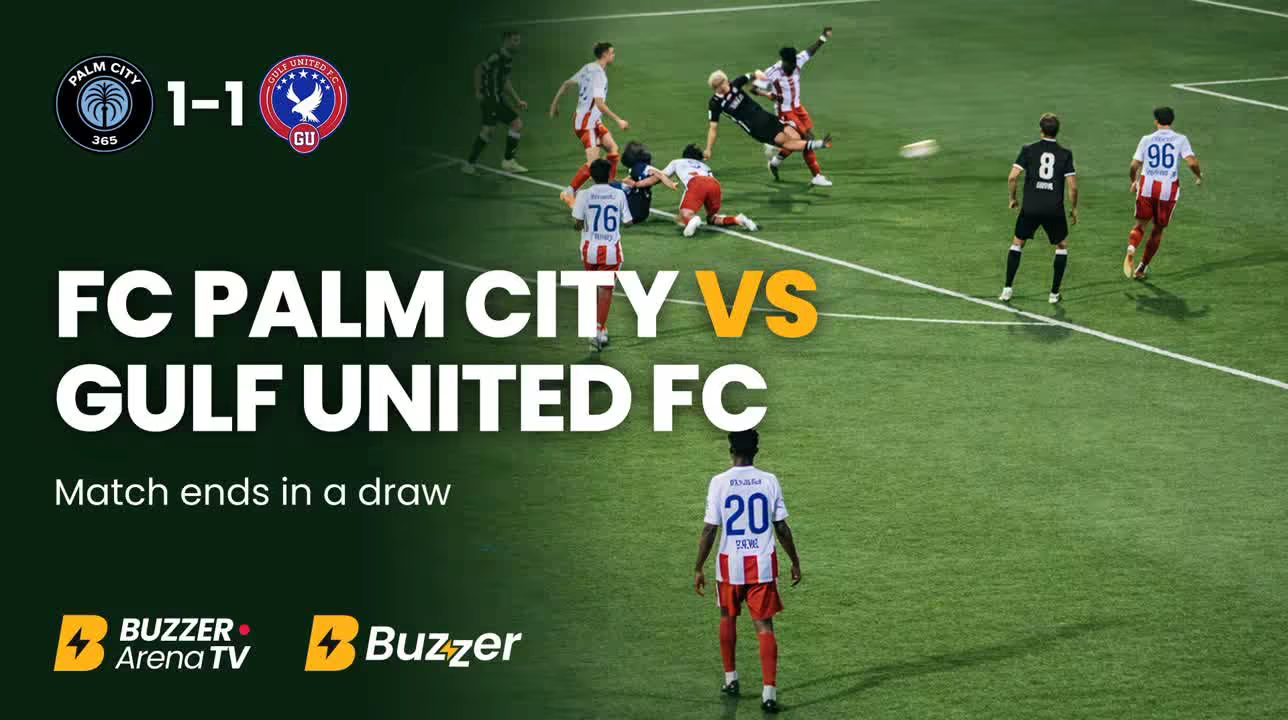
Palm City vs Gulf United Ends in 1–1 Draw in UAE Second Division League Clash
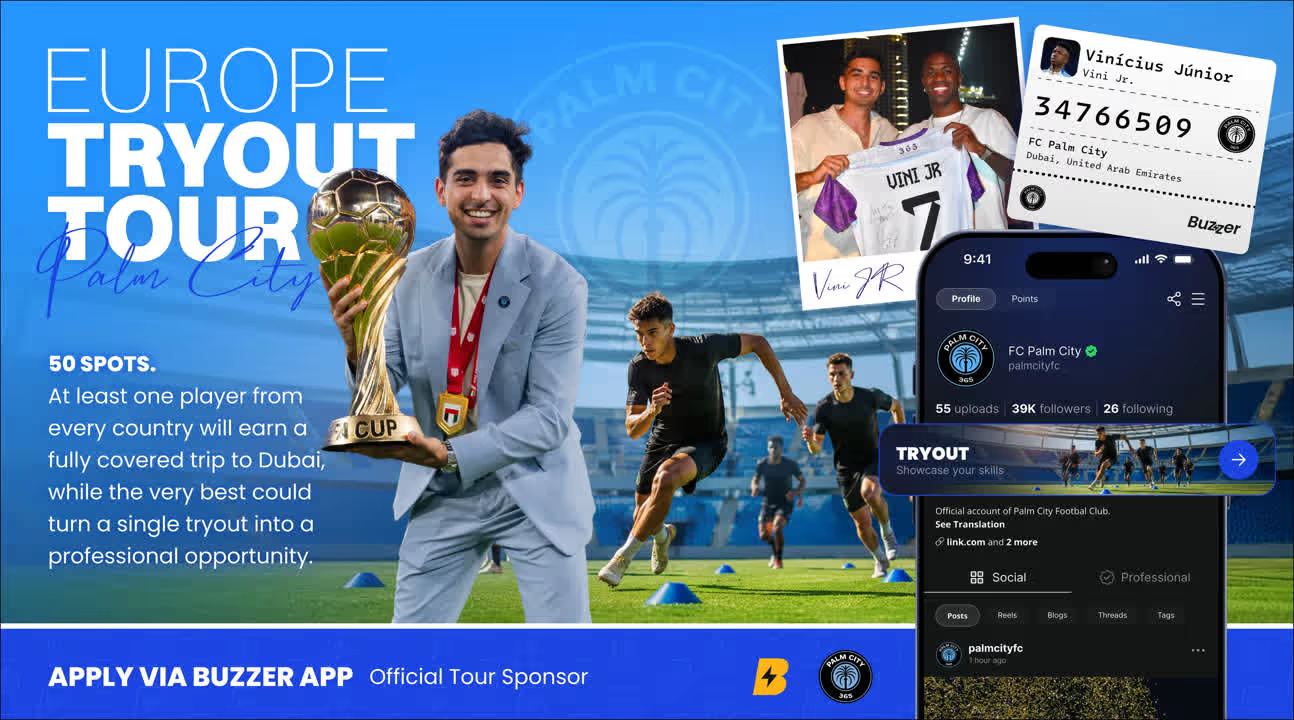
"We Don't Take the Guy With the Camera." He Built His Own Club Anyway. Now He's Coming to Find You.

Building the Infrastructure Sports Tech Forgot


 3
3 

