




 0
0Polo's Most Important Player Doesn't Ride a Horse
When a polo player scores the winning goal, the crowd applauds him and, often, the horse he's riding.
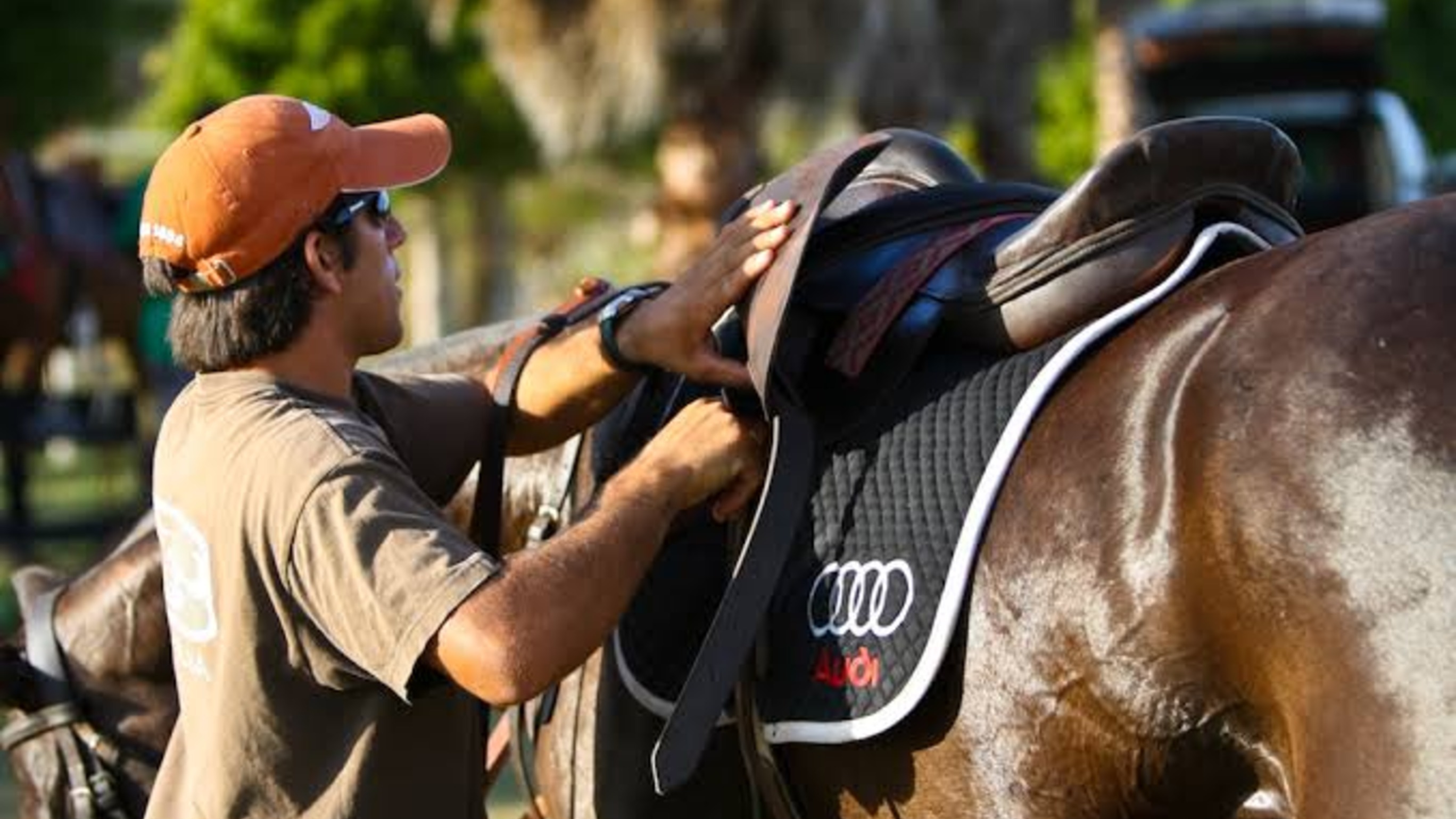
Almost nobody applauds the person who spent the previous six hours preparing that horse, rotating it correctly through the match, monitoring it for the first sign of fatigue or injury, and making sure it was physically capable of the exact burst of speed the winning play required.
In elite polo, that person, not the player, is often the single most important factor separating a good performance from a great one.
The hidden workforce
A single high-goal match requires each player to rotate through eight to ten different ponies across the game, since no horse can sustain the sport's explosive, stop-start intensity for a full match without breaking down physically.
Managing that rotation correctly, deciding exactly when to bring a fresh horse in, monitoring subtle signs of tiredness that could turn into a serious injury if ignored, and keeping every animal in peak physical condition across a demanding tournament schedule, falls almost entirely to a team of grooms, vets and horse handlers working behind the scenes throughout the match.
That team's decisions directly shape what a player is actually capable of doing on the field.
A player given a tired or improperly prepared horse simply can't execute the same plays as one whose mount is fresh and responsive, regardless of the rider's own individual skill.
Elite polo organisations increasingly recognise this explicitly, building out substantial veterinary and grooming staff specifically because the difference between a merely good team and a genuinely elite one increasingly comes down to horse management as much as playing ability.
What the spectators never see
The scale of that operation is largely invisible to spectators.
A top team's horses require daily exercise, specialised nutrition plans, ongoing veterinary monitoring, and careful, individualised training regimes, all coordinated by staff who rarely appear anywhere near the spotlight a match itself receives.
Breeders and trainers, working years in advance of any specific tournament, identify and develop the horses capable of competing at the sport's highest level in the first place, a process that shapes a team's competitive ceiling long before a single chukka is played.
This ecosystem is part of why polo functions so differently from most other sports when it comes to individual credit.
A football team's coaching staff and medical department matter enormously, but the players still execute every meaningful action themselves, start to finish.
In polo, the horse is doing a genuinely enormous share of the physical work, meaning the people who prepared that horse are, in a very real sense, co-authors of every significant play, without their names ever appearing on a scoresheet or a trophy.
A different kind of team sport
For a sport often reduced in popular imagination to glamorous imagery, string quartets, champagne, beautifully turned-out horses, the actual competitive advantage sits somewhere far less photogenic: in the daily, largely unglamorous work of grooms and vets making sure a horse most spectators will never learn the name of is ready to perform at exactly the right moment.
Should sports where an animal does this much of the physical work give more formal recognition to the people who prepare and manage that animal, or does the rider's skill in actually using the horse remain the fairer thing to celebrate?

Sarajevo Back at the Heart of Regional MMA: SFC Returns with Explosive Matchups

How Buzzer Karma Works: Levels, Penalties, and What They Mean
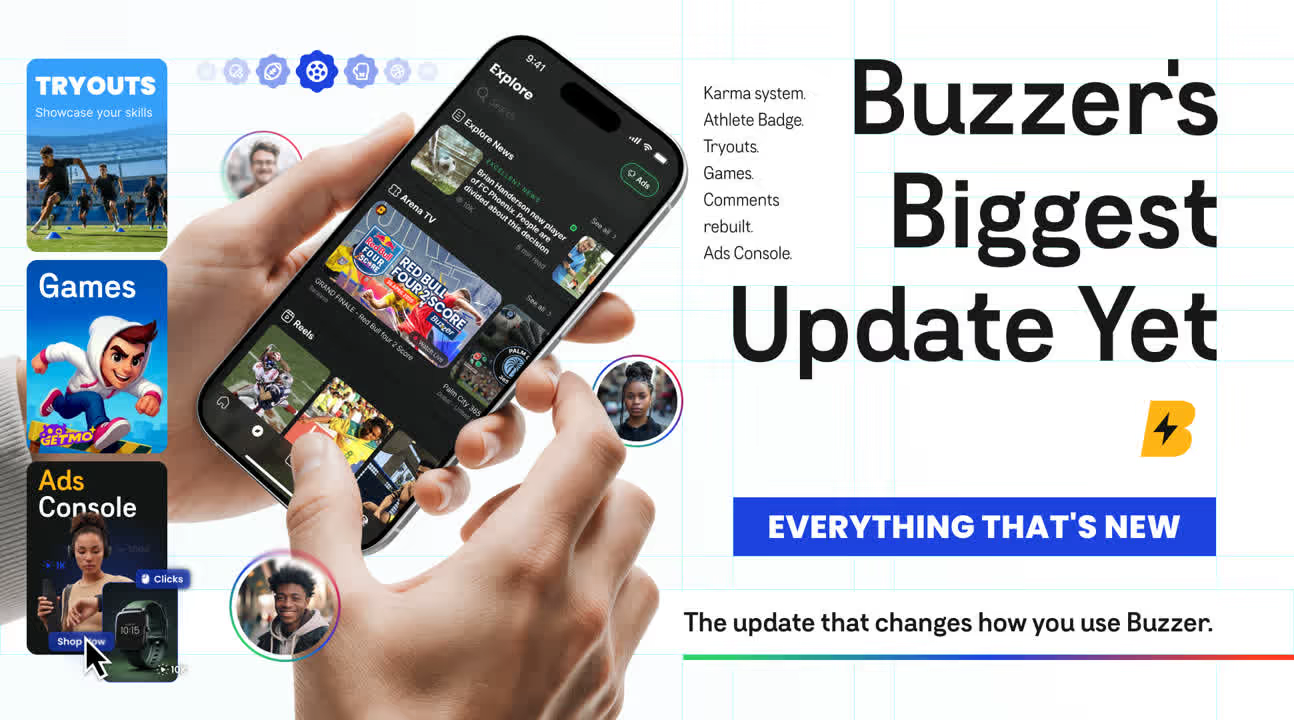
Inside Buzzer's Latest Update (and Why It Changes How You Use the App)

Buzzer Introduces Ads Console: A New Era of Advertising Across the Entire Buzzer Ecosystem

Buzzer Is Evolving: From Quantity to Quality

Buzzer Now Has a Games Hub, and Tournaments Are Coming

Al Ittihad SC's Matches Are Now Live on Buzzer
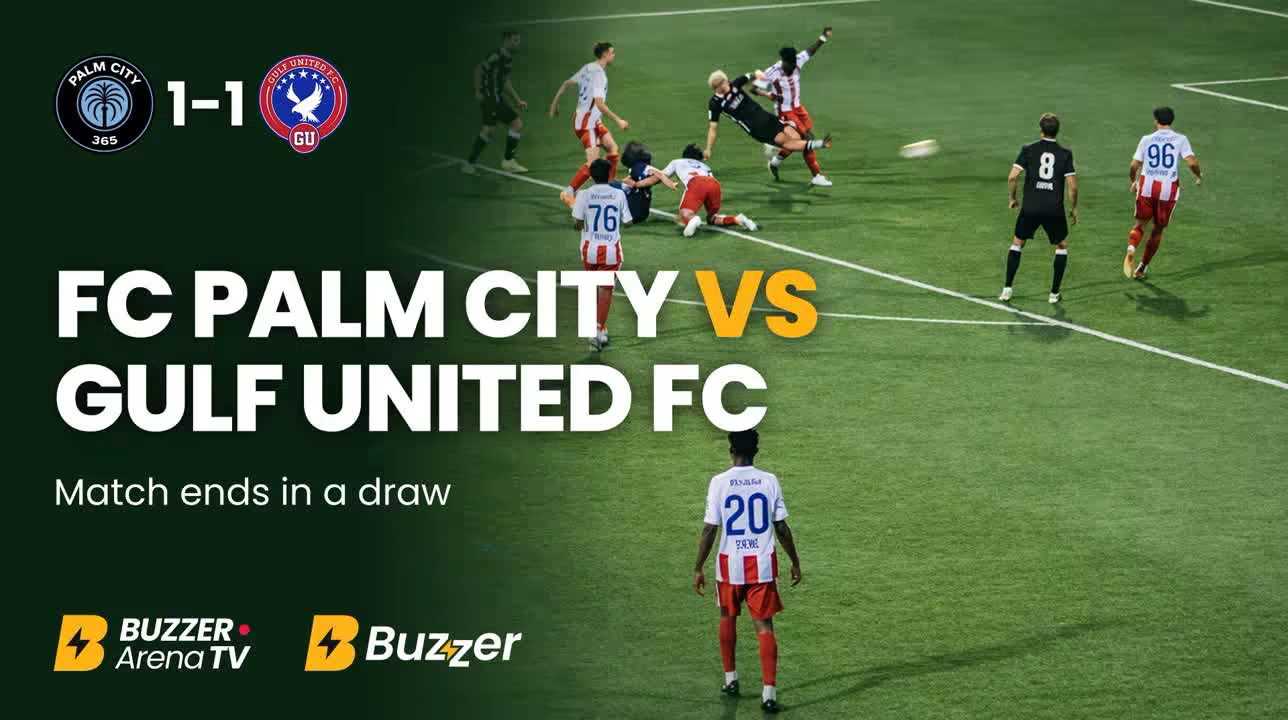
Palm City vs Gulf United Ends in 1–1 Draw in UAE Second Division League Clash

"We Don't Take the Guy With the Camera." He Built His Own Club Anyway. Now He's Coming to Find You.

Building the Infrastructure Sports Tech Forgot


