




 0
0Women's Football Starts a New Era. Can Bigger Sponsorships Finally Close the Commercial Gap?
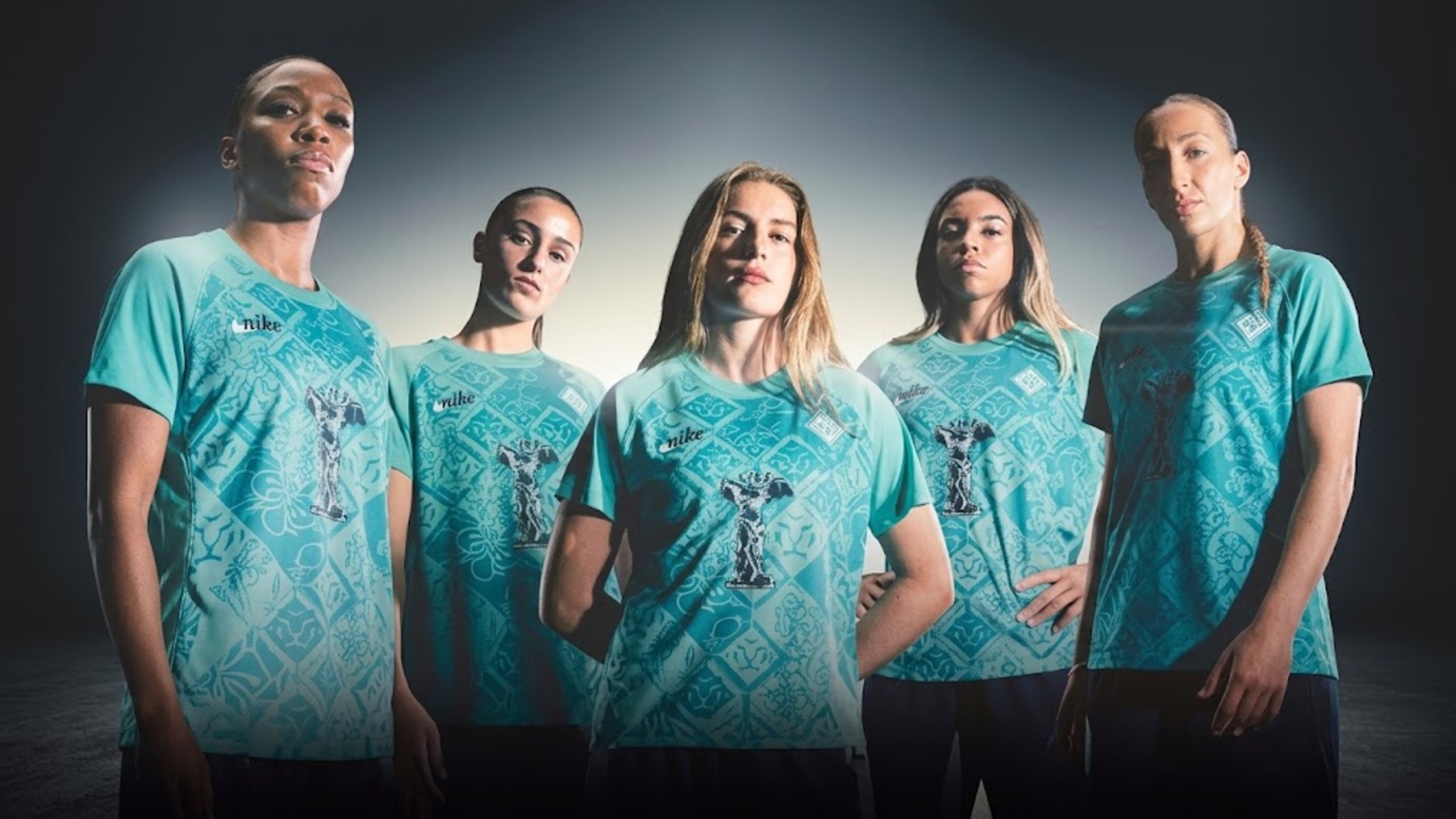
London City Lionesses just signed a multi-year front-of-shirt deal with Nike that owner Michele Kang says exceeds the value of several men's Premier League sponsorship agreements. It's being described, without exaggeration, as the largest front-of-shirt deal in the history of women's club football.
That single deal is a data point in a much bigger story: women's football's new season is starting with a genuinely different commercial baseline than any previous campaign.
Why one club's sponsorship figure matters beyond that club
Individual commercial deals in women's football have historically been treated as encouraging but modest, evidence of gradual, incremental growth rather than a fundamental shift in the sport's earning power. A single WSL club's shirt deal genuinely rivaling men's Premier League sponsorship figures breaks that pattern in a way that's difficult to dismiss as an outlier.
Kang has been explicit about the comparison herself, telling reporters the deal exceeds the roughly $4 million annual value of the NWSL's newest Atlanta expansion franchise's own sponsorship benchmark, previously considered a high-water mark for the women's game.
Why sponsors are suddenly willing to pay this much
Brands entering major sponsorship deals base their valuations on measurable audience reach and engagement, not sentiment. London City Lionesses selling out two separate shirt releases, alongside genuine social media reach from marquee signings like Alexia Putellas, gives sponsors concrete commercial justification for a deal at this scale, rather than treating women's football sponsorship as a goodwill gesture.
That's the underlying shift: brands are increasingly pricing women's football deals based on actual audience data, rather than a discounted rate assumed simply because it's the women's game.
Why this deal alone doesn't close the entire commercial gap
One club's headline sponsorship figure, however significant, doesn't reflect the financial reality across the entire WSL, let alone women's football globally. Plenty of clubs in the same league continue to operate with far more modest commercial deals, and the gap between women's football's best-resourced clubs and its majority remains substantial.
That's an important caveat to any "new era" framing: a genuine commercial breakthrough at the top of the sport doesn't automatically lift every club simultaneously.
What would actually confirm this is a lasting shift rather than one outlier deal?
The real test isn't this single sponsorship agreement. It's whether other clubs, across a broader range of resources and profiles, can secure genuinely comparable commercial deals in the coming seasons, evidence that sponsors are re-evaluating the entire women's football market rather than simply investing in one particularly well-marketed club.
One WSL club just signed a sponsorship deal that genuinely rivals the men's game at scale. Is that the clearest evidence yet that women's football's commercial gap is finally closing in a meaningful, structural way, or is it a single, exceptional deal built around one unusually well-resourced and well-marketed club that other teams can't easily replicate?

Sarajevo Back at the Heart of Regional MMA: SFC Returns with Explosive Matchups

How Buzzer Karma Works: Levels, Penalties, and What They Mean
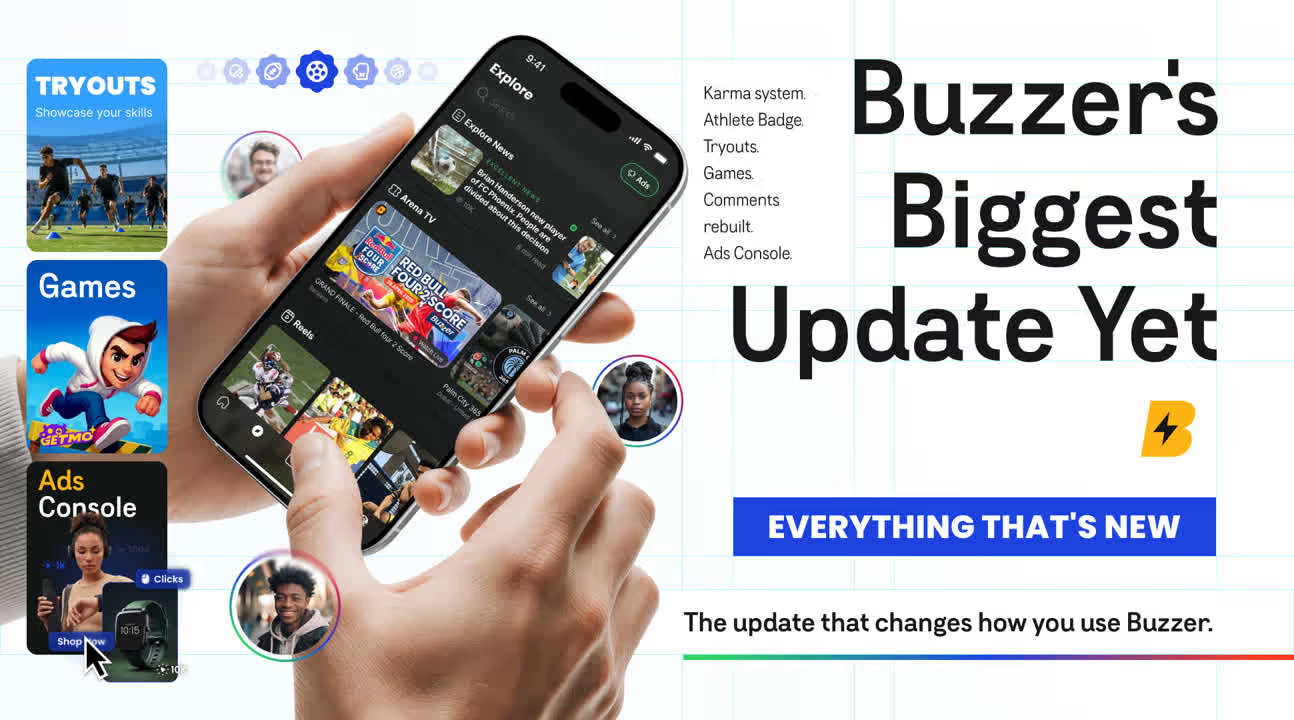
Inside Buzzer's Latest Update (and Why It Changes How You Use the App)

Buzzer Introduces Ads Console: A New Era of Advertising Across the Entire Buzzer Ecosystem

Buzzer Is Evolving: From Quantity to Quality

Buzzer Now Has a Games Hub, and Tournaments Are Coming

Al Ittihad SC's Matches Are Now Live on Buzzer

Palm City vs Gulf United Ends in 1–1 Draw in UAE Second Division League Clash

"We Don't Take the Guy With the Camera." He Built His Own Club Anyway. Now He's Coming to Find You.

Building the Infrastructure Sports Tech Forgot


 1
1 

