





 0
0Polo's Next Growth Market Might Be Sport Tourism
Polo has a marketing problem that most sports would kill for.
It's not that nobody wants to watch. It's that almost nobody gets the chance.
There's no polo bar down the street. No polo highlights showing up on your phone at midnight. If you want to experience the sport, you generally have to go somewhere, and that "going somewhere" part might actually be the opportunity everyone's been overlooking.
What Guyana shows us
Look at what's happening in Guyana right now.
The country just won hosting rights for the inaugural Caribbean Archery Championship, running it alongside the Caribbean Development Championships this October in Providence.
Guyana beat out Jamaica for the honor, and its tourism board didn't treat this as an afterthought.
They partnered directly with the event, distributing promotional packages at the World Archery Americas congress and positioning the whole thing as a showcase for eco-tourism, culture and cuisine, not just a sporting fixture.
Archers show up, and somebody's made sure they also leave with a taste of Guyanese honey and a reason to come back on vacation.
Polo could be doing exactly this, and in some corners it already is.
A destination product
Think about what polo actually requires to stage well: green space, horses, a certain unhurried atmosphere, and clientele who don't mind paying for both a good match and a good weekend.
That's not a description of a mass sport. That's a description of a destination product.
Clubs in places like Argentina, the UAE and increasingly parts of Southeast Asia have started leaning into exactly that, bundling tournaments with hospitality packages, wine tastings and accommodation deals that turn a two-hour match into a four-day trip.
This is where the archery comparison actually clicks into place, even though the two sports have almost nothing in common on the field.
Neither one is fighting for space on ESPN's nightly highlights. Both are working out that the real audience isn't a television audience at all.
It's a smaller, wealthier group of people who will travel specifically for the experience, and who spend a lot more per head than a stadium full of casual fans ever would.
Settling for less, or aiming smarter?
There's an argument that this is polo settling for less, accepting a niche role instead of chasing genuine mainstream relevance. I don't buy it.
Golf spent decades trying to be a mass spectator sport on television and mostly failed at that while quietly becoming one of the most successful travel and hospitality industries on the planet.
Nobody looks at St Andrews and calls golf a failure because it doesn't draw NFL numbers.
The clubs that get this are already ahead. They're not chasing broadcast deals they'll never land.
They're building weekends people will pay to fly in for, complete with the branding, the sponsors and the Instagram moments that come with a genuinely aspirational setting.
The risk, of course, is that leaning too hard into luxury turns polo into something even more exclusive than it already is, which cuts against any hope of ever growing a real fanbase beyond the people who can already afford horses.
So here's the actual question worth arguing about: is it better for a sport like polo to stay small and exclusive but financially healthy, or should it be spending money trying to widen the door, even if that means diluting the very thing that makes it marketable in the first place?

Sarajevo Back at the Heart of Regional MMA: SFC Returns with Explosive Matchups

How Buzzer Karma Works: Levels, Penalties, and What They Mean
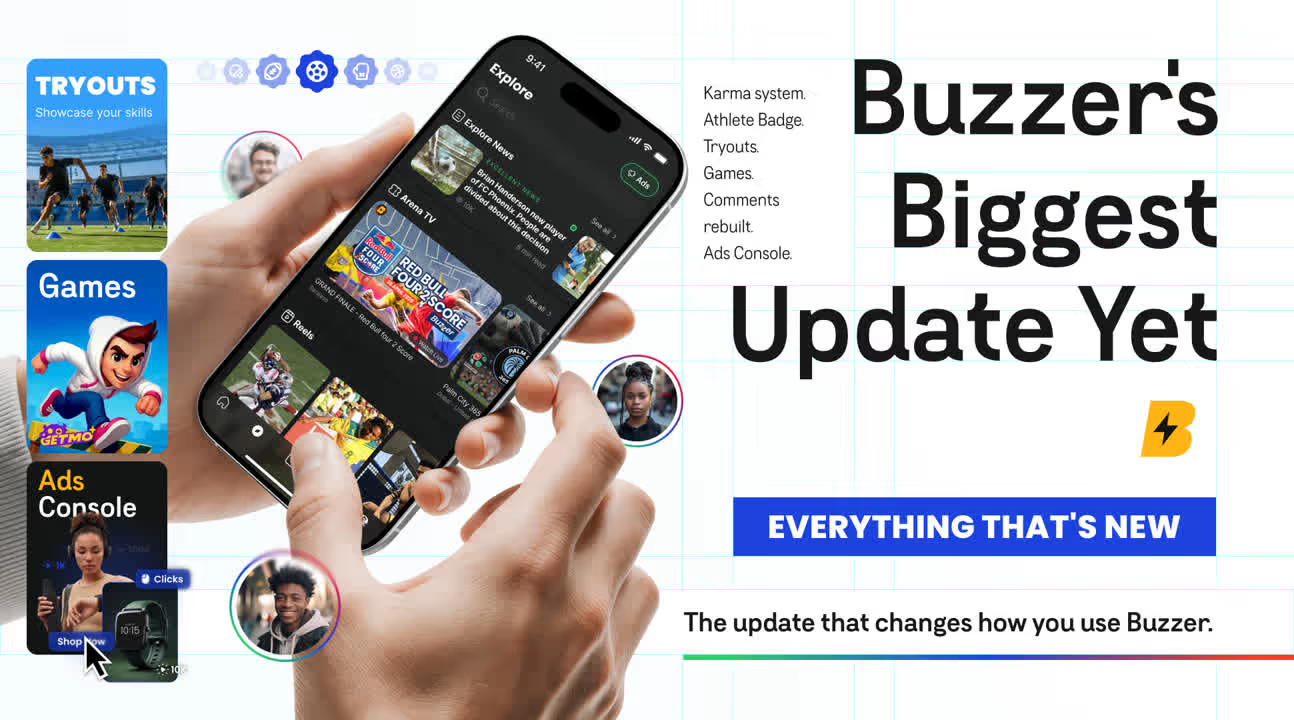
Inside Buzzer's Latest Update (and Why It Changes How You Use the App)

Buzzer Introduces Ads Console: A New Era of Advertising Across the Entire Buzzer Ecosystem

Buzzer Is Evolving: From Quantity to Quality

Buzzer Now Has a Games Hub, and Tournaments Are Coming

Al Ittihad SC's Matches Are Now Live on Buzzer
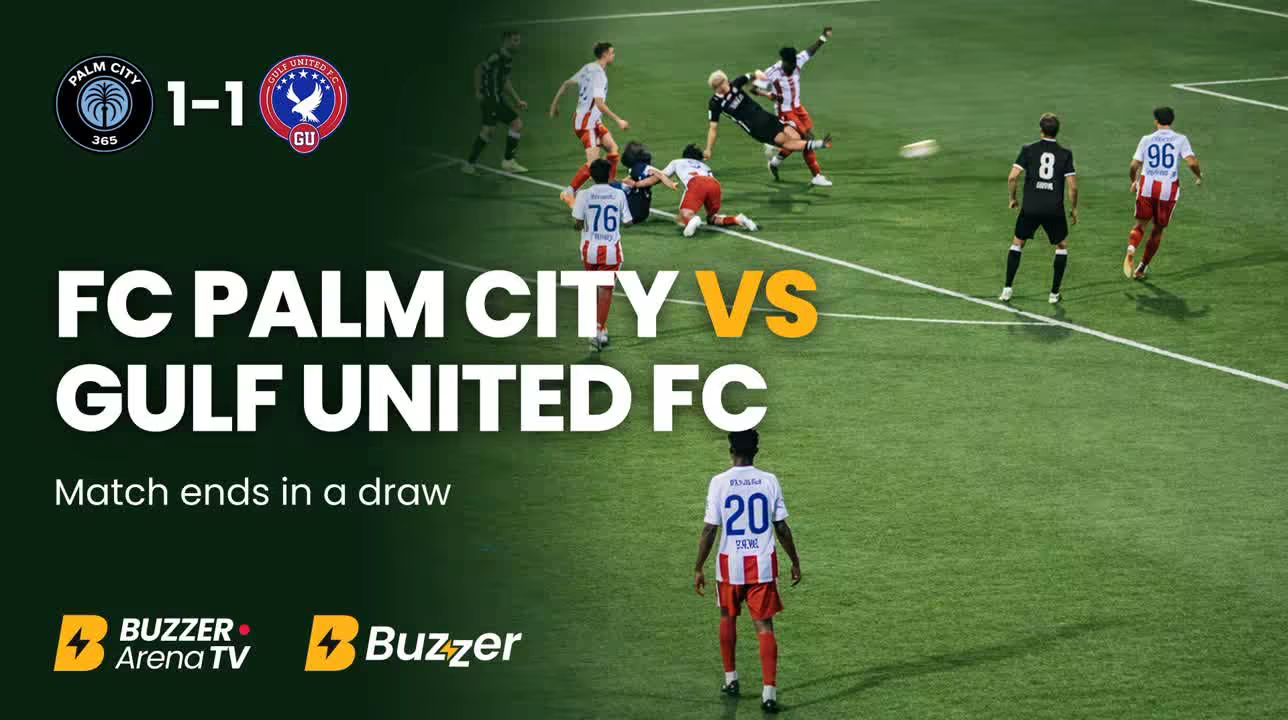
Palm City vs Gulf United Ends in 1–1 Draw in UAE Second Division League Clash
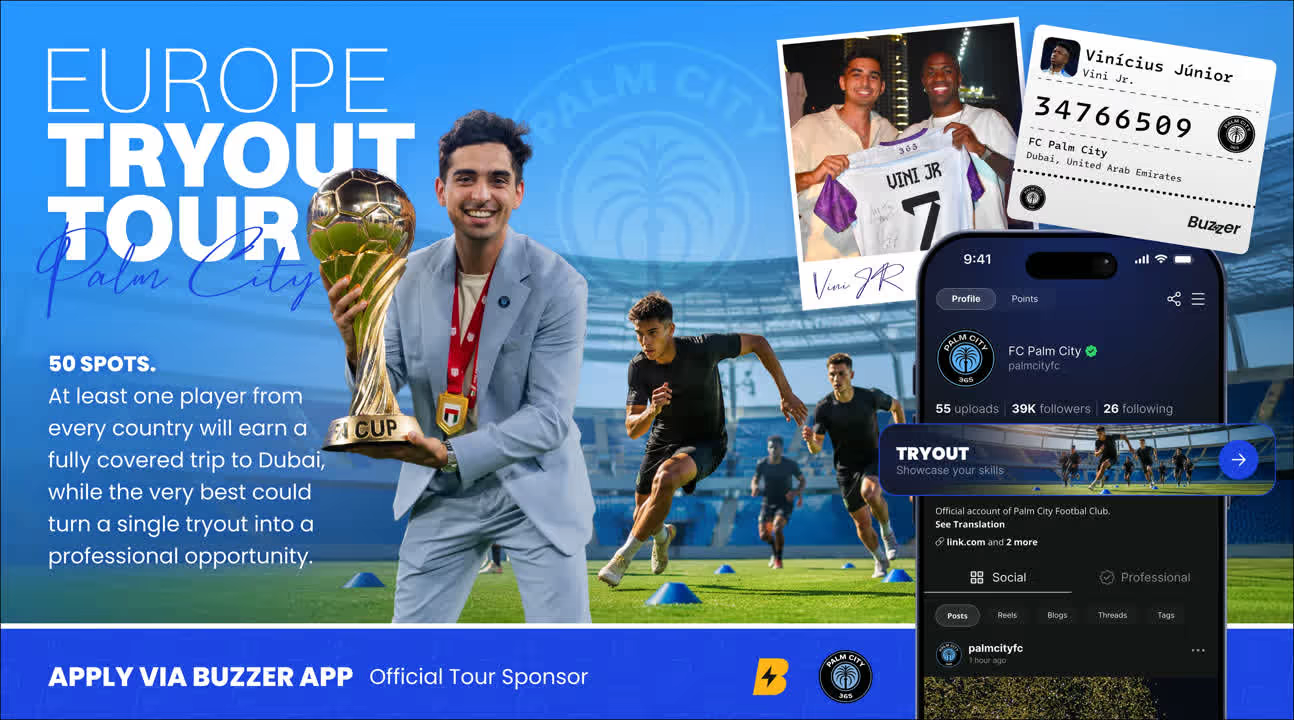
"We Don't Take the Guy With the Camera." He Built His Own Club Anyway. Now He's Coming to Find You.

Building the Infrastructure Sports Tech Forgot


 1
1 

