




 0
0Aaron Donald Retired for Two Years, Then Came Back. Why Do Elite Athletes Struggle to Stay Away?
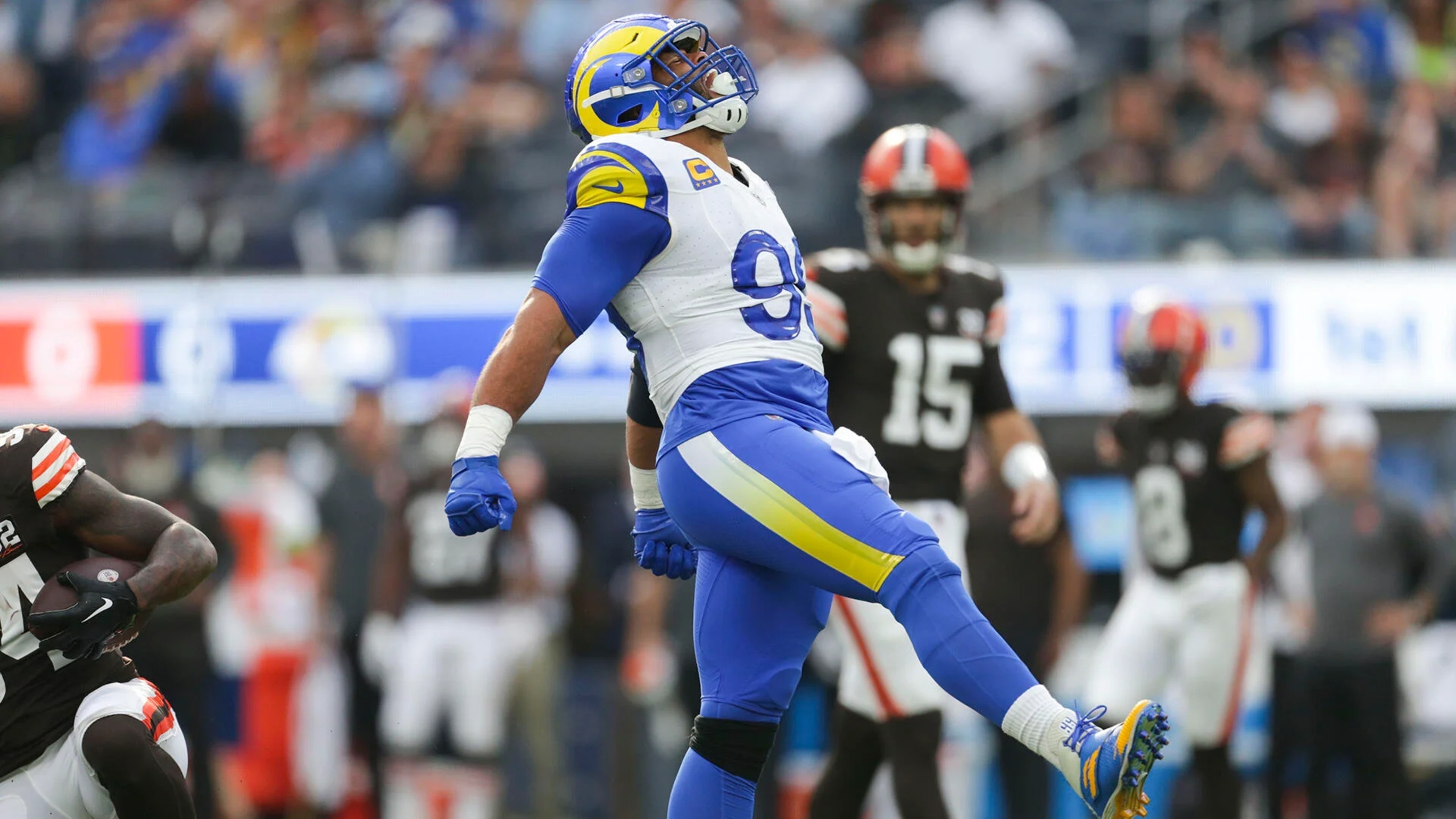
Aaron Donald walked away from the NFL after the 2023 season having already established himself as one of the defining defensive players of his generation. Two years later, the three-time Defensive Player of the Year is back with the Los Angeles Rams, and the team has named him a starter for its season opener against San Francisco in Melbourne.
The remarkable part isn't simply that a 35-year-old retired athlete changed his mind. It's that someone who had already achieved almost everything an NFL player could reasonably want still felt drawn back to the competition.
What retirement removes that money cannot replace
For elite athletes, sport isn't only a profession. It provides structure, status, routine, physical purpose and an environment in which every week offers a measurable test of ability.
Retirement removes all of those simultaneously. An athlete can leave with financial security and a decorated résumé while still discovering that ordinary life doesn't reproduce the intensity of preparing for competition.
Why Donald's return is different from an ordinary comeback
Donald isn't returning because he needs to prove he belongs in the NFL. He already has three Defensive Player of the Year awards and a Super Bowl title, and he left the league voluntarily rather than being pushed out.
That makes the motivation more interesting. His comeback suggests that the desire to compete can survive even after the external reasons for competing have largely disappeared.
Why the physical challenge may be the biggest question
The NFL is unforgiving to players who miss extended periods, particularly defensive linemen whose bodies absorb repeated collisions. Donald also hasn't played a preseason game, meaning his first meaningful test will come against professional opposition after a prolonged absence.
That creates an unusually interesting experiment: can experience and elite conditioning compensate for the competitive sharpness that normally comes from playing every week?
That uncertainty is part of what makes the comeback compelling. Modern elite sport is increasingly built around load management, specialized recovery and carefully planned careers, yet Donald has voluntarily stepped back into one of the most physically punishing environments in professional sport. His return could reveal whether two years away allowed his body to recover or whether time away from competition creates challenges that even exceptional experience cannot erase.
What athletes can learn from the decision
Donald’s comeback also illustrates something broader about retirement. Some athletes need distance from their sport to understand whether they genuinely want to leave it, while others discover that the competitive environment remains part of their identity.
Whether Donald becomes the dominant player he once was is almost secondary to the larger story. His return asks a question many elite competitors eventually face: when your career has already given you everything, what exactly makes you want to compete one more time?

Sarajevo Back at the Heart of Regional MMA: SFC Returns with Explosive Matchups
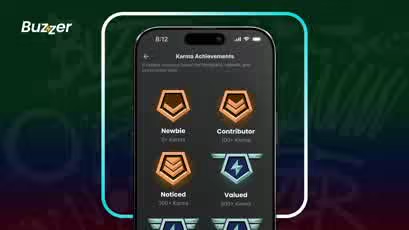
How Buzzer Karma Works: Levels, Penalties, and What They Mean
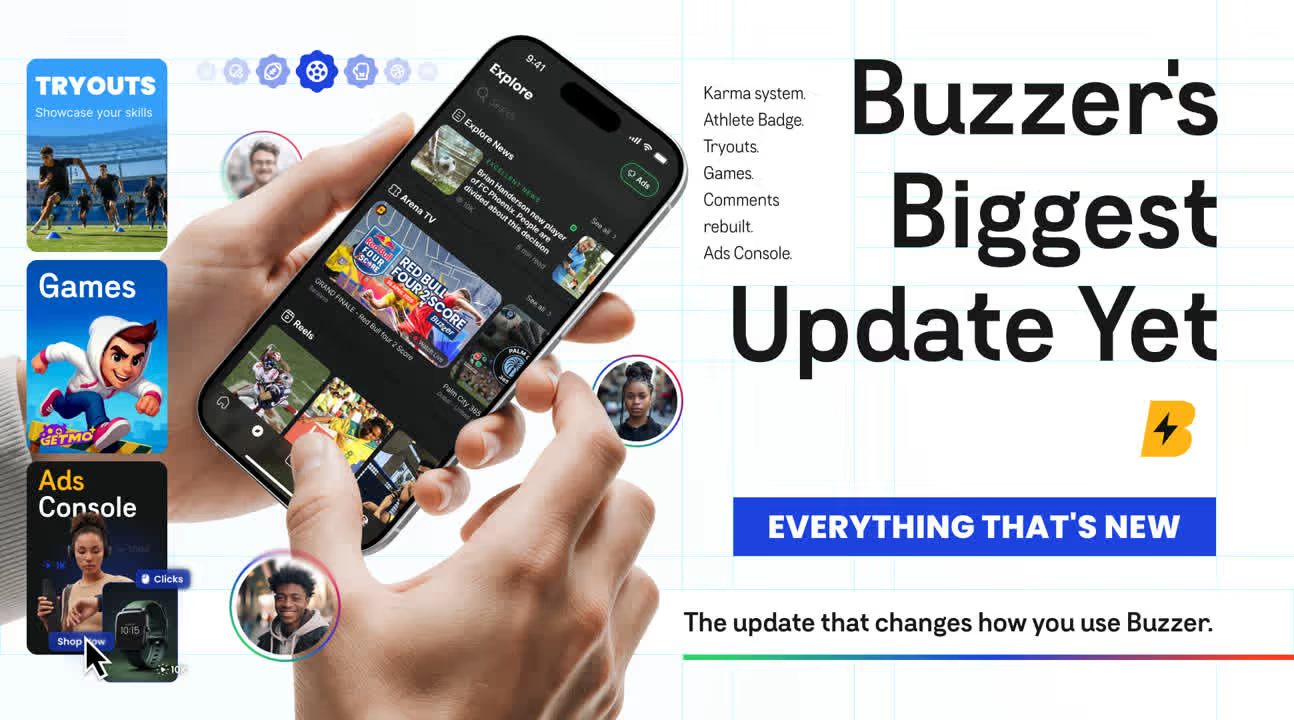
Inside Buzzer's Latest Update (and Why It Changes How You Use the App)
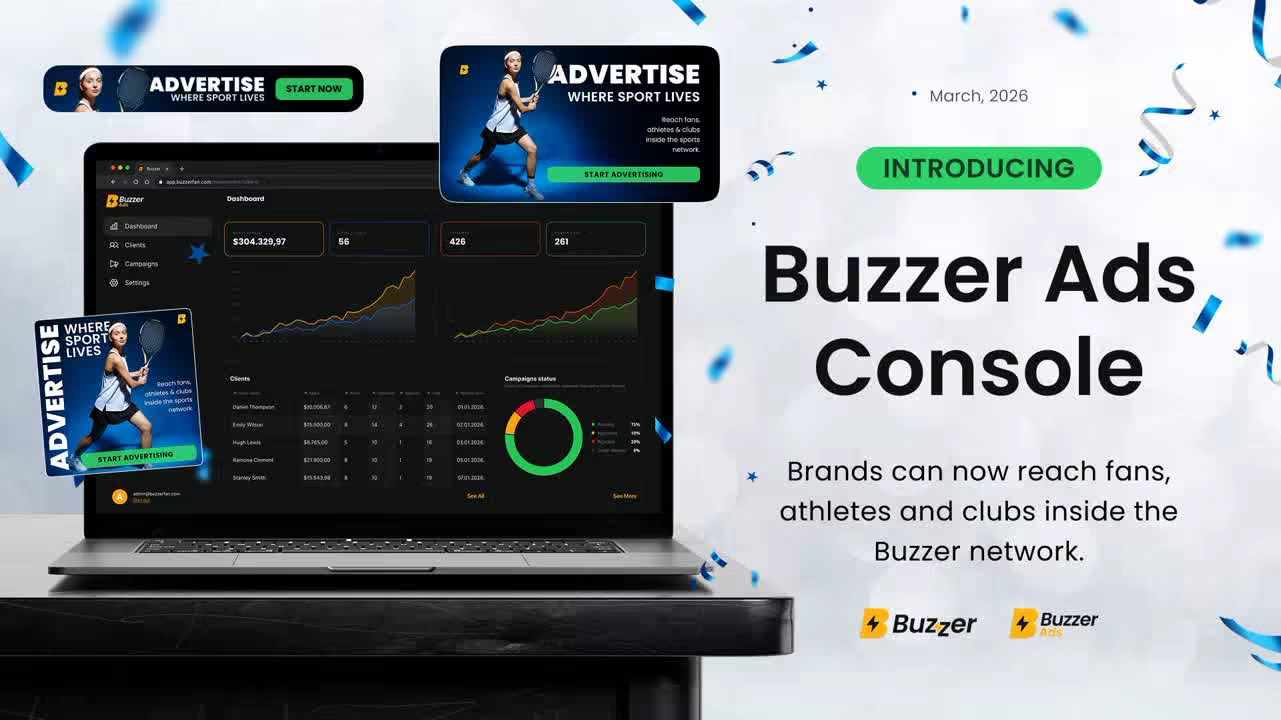
Buzzer Introduces Ads Console: A New Era of Advertising Across the Entire Buzzer Ecosystem

Buzzer Is Evolving: From Quantity to Quality

Buzzer Now Has a Games Hub, and Tournaments Are Coming

Al Ittihad SC's Matches Are Now Live on Buzzer
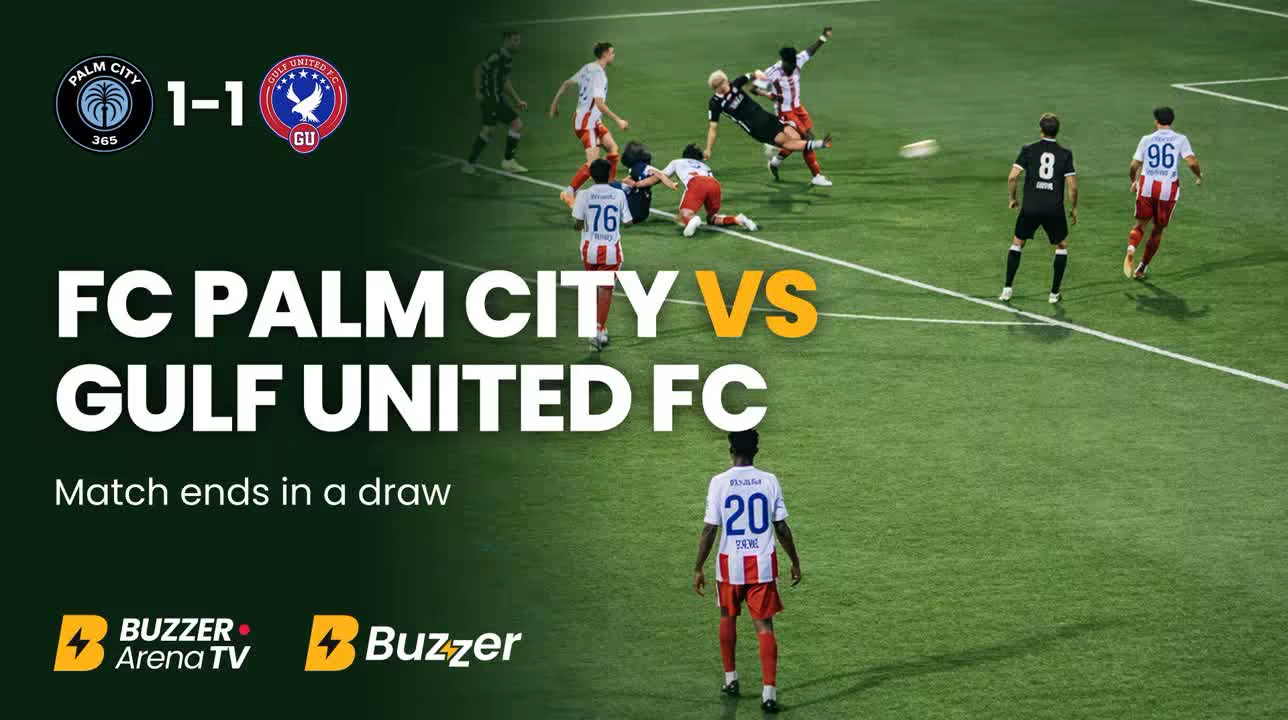
Palm City vs Gulf United Ends in 1–1 Draw in UAE Second Division League Clash
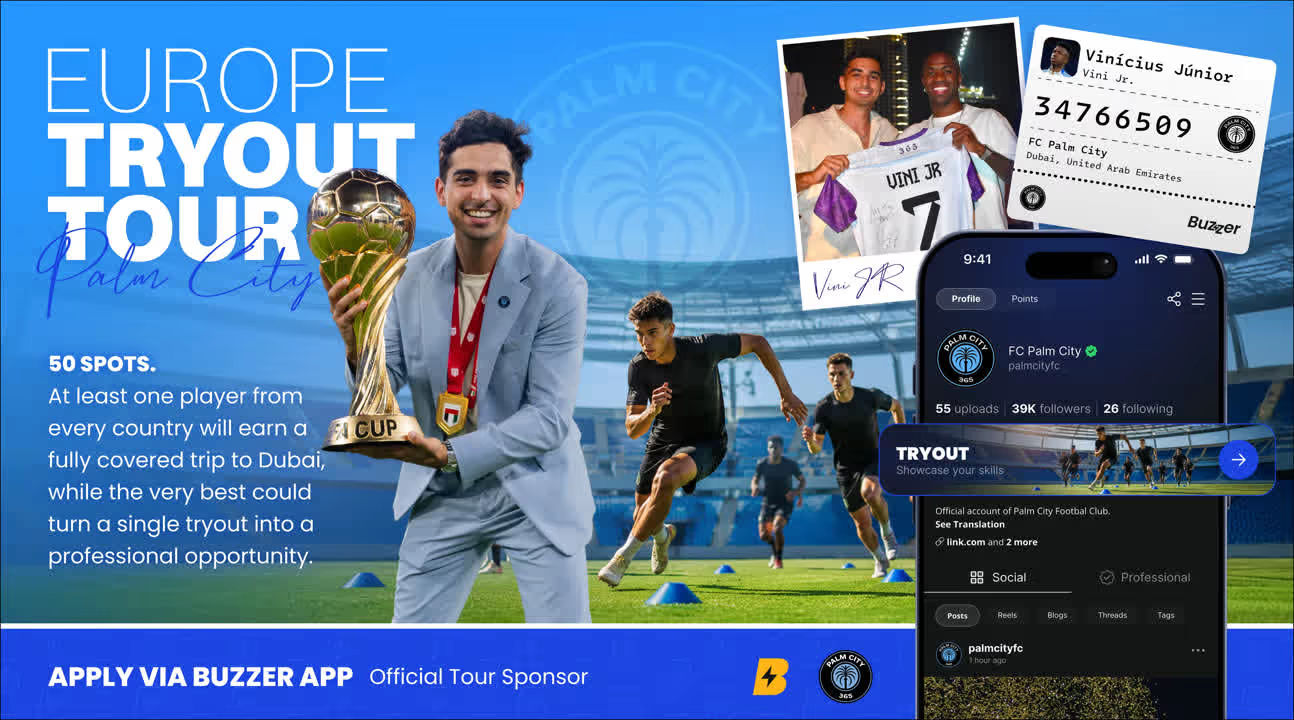
"We Don't Take the Guy With the Camera." He Built His Own Club Anyway. Now He's Coming to Find You.

Building the Infrastructure Sports Tech Forgot


 1
1 

