




 5
5🥊 The Business War Behind UFC's Biggest Rival
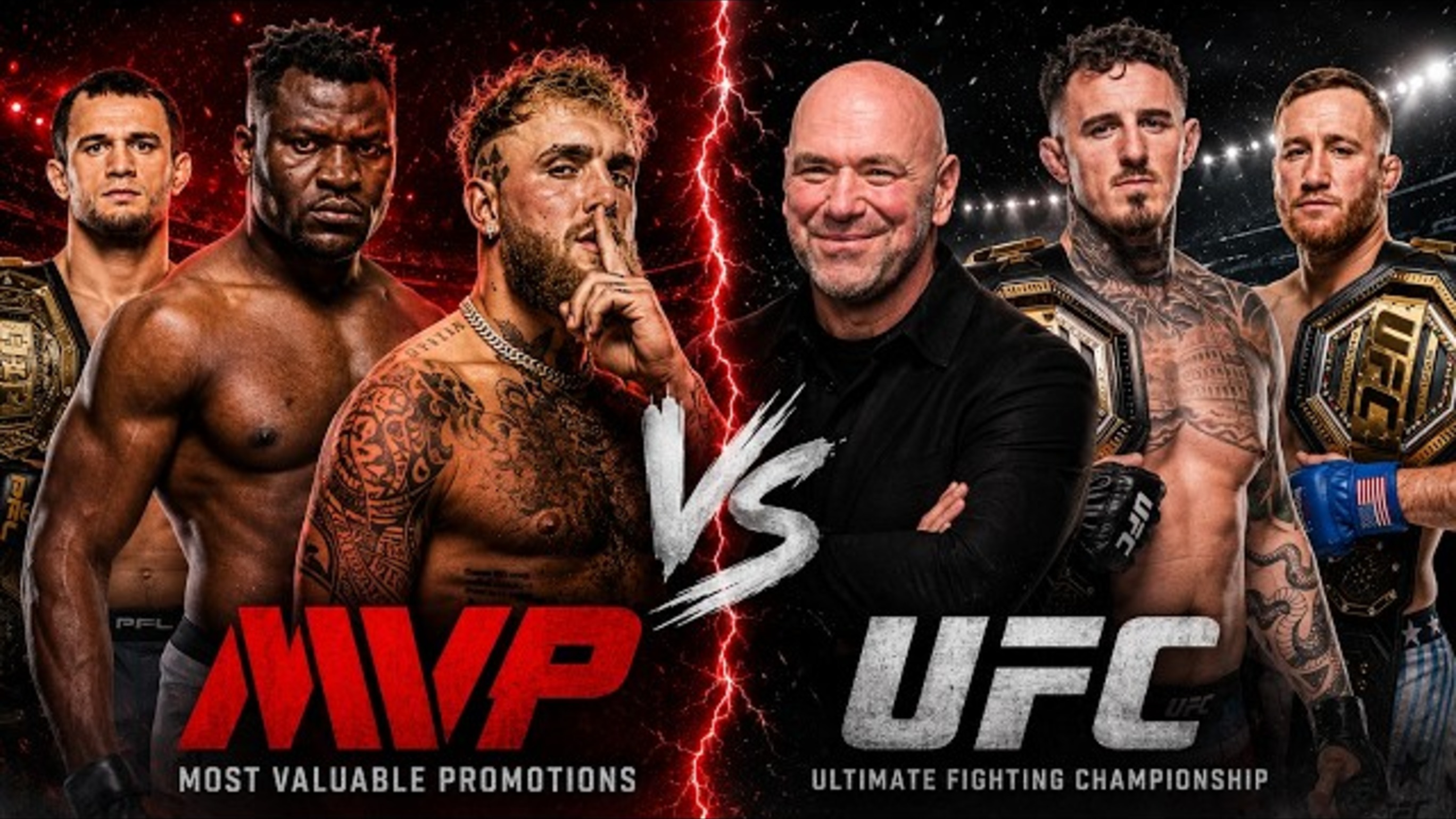
Jake Paul spent the first few years of his boxing career getting mocked for fighting guys well past their prime. Then in July, his company merged with the PFL, and suddenly the joke isn't landing the same way.
A Merger With Bigger Ambitions
Most Valuable Promotions and the Professional Fighters League announced a full merger this summer, combining Paul and Nakisa Bidarian's boxing operation with PFL's mixed martial arts roster under one banner.
PFL CEO John Martin runs the combined company day to day. The new entity keeps MVP's TV deals with Netflix, ESPN and Sky Sports, adds PFL's existing footprint of more than thirty broadcast partnerships across Europe, the Middle East, Africa, Asia and Latin America, and inherits a roster of more than 300 fighters from over 40 countries, including names like Usman Nurmagomedov and AJ McKee.
The UFC Is Still the Giant
None of that guarantees anything against the UFC. The UFC isn't just the biggest MMA promotion, it's a business unit inside TKO Holdings alongside WWE, and it made well over a billion and a half dollars last year.
That's not a gap you close with one merger and a Netflix deal, no matter how good the fighters are. The UFC has spent decades building its brand, its talent pipeline and its position as the default destination for the world's best MMA fighters.
Why This Actually Matters
But here's why this matters beyond the balance sheet.
MVP's debut MMA card back in May pulled in over 12 million viewers on Netflix, a number that no MMA promotion outside the UFC has come close to touching in years.
That's not a fluke of curiosity about Jake Paul. That's proof there's real appetite for MMA content that isn't the UFC, if it's packaged and distributed well.
PFL brought the fighters and the infrastructure. MVP brought the audience-building machine that's kept Paul relevant for a decade despite most fight fans rolling their eyes at him.
And that combination could be the most important part of the merger. One side understands how to build a competitive MMA operation, while the other understands how to turn a fight into a mainstream entertainment event.
The First Real No. 2?
The skeptical read is that this is two mid-tier operations combining into one mid-tier operation with better marketing.
The more interesting read is that combat sports has never actually had a credible number two.
Bellator tried and got absorbed. ONE Championship stayed mostly regional. Strikeforce got bought out.
If MVP-PFL can actually hold onto fighters with real leverage instead of just recycling boxing crossover stunts, that's a genuinely different shape of threat than anything the UFC has dealt with before.
The key will be whether fighters begin viewing PFL-MVP as somewhere they can build an entire career, rather than simply a place to raise their profile before making the jump to the UFC.
The Jake Paul Question
Whether that happens depends entirely on whether elite fighters start seeing this as a real alternative rather than a stepping stone to Vegas.
Paul's own boxing career took a beating this year when Anthony Joshua stopped him inside two rounds, so it's fair to ask whether he's the right face for a company trying to look serious.
Then again, Paul's value may not come from being the best fighter on the roster. It comes from his ability to create attention, attract casual viewers and turn fights into events that people who normally ignore combat sports actually want to watch.
That could prove extremely valuable if the company is serious about challenging the UFC's dominance.
Does combat sports actually need a real number two, or does the UFC's total dominance just make it a better product for fans?

Sarajevo Back at the Heart of Regional MMA: SFC Returns with Explosive Matchups

How Buzzer Karma Works: Levels, Penalties, and What They Mean
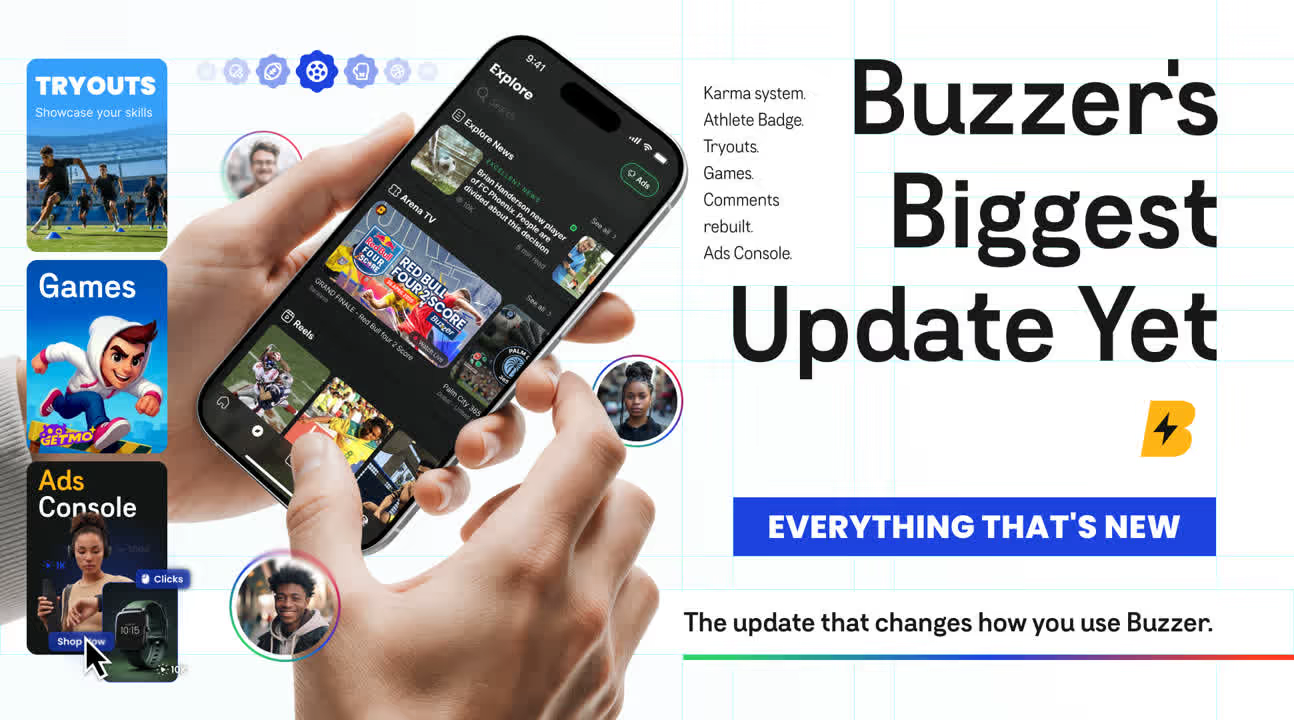
Inside Buzzer's Latest Update (and Why It Changes How You Use the App)

Buzzer Introduces Ads Console: A New Era of Advertising Across the Entire Buzzer Ecosystem

Buzzer Is Evolving: From Quantity to Quality

Buzzer Now Has a Games Hub, and Tournaments Are Coming

Al Ittihad SC's Matches Are Now Live on Buzzer
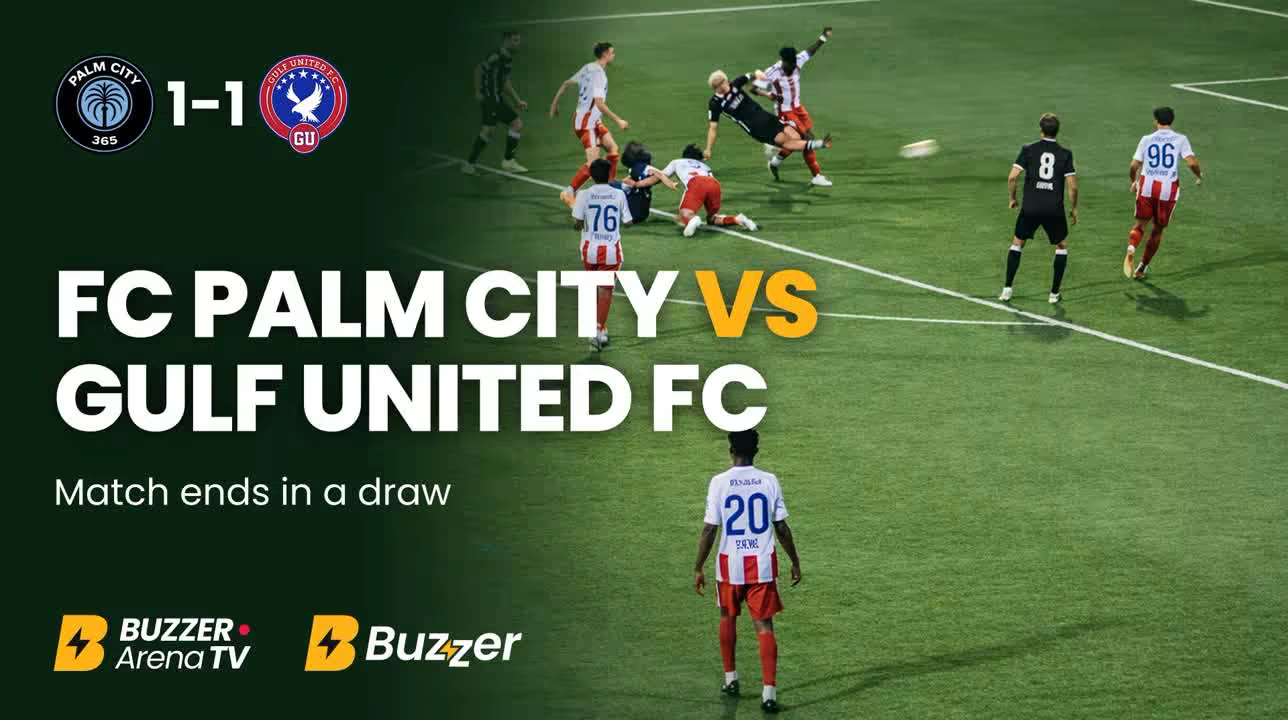
Palm City vs Gulf United Ends in 1–1 Draw in UAE Second Division League Clash
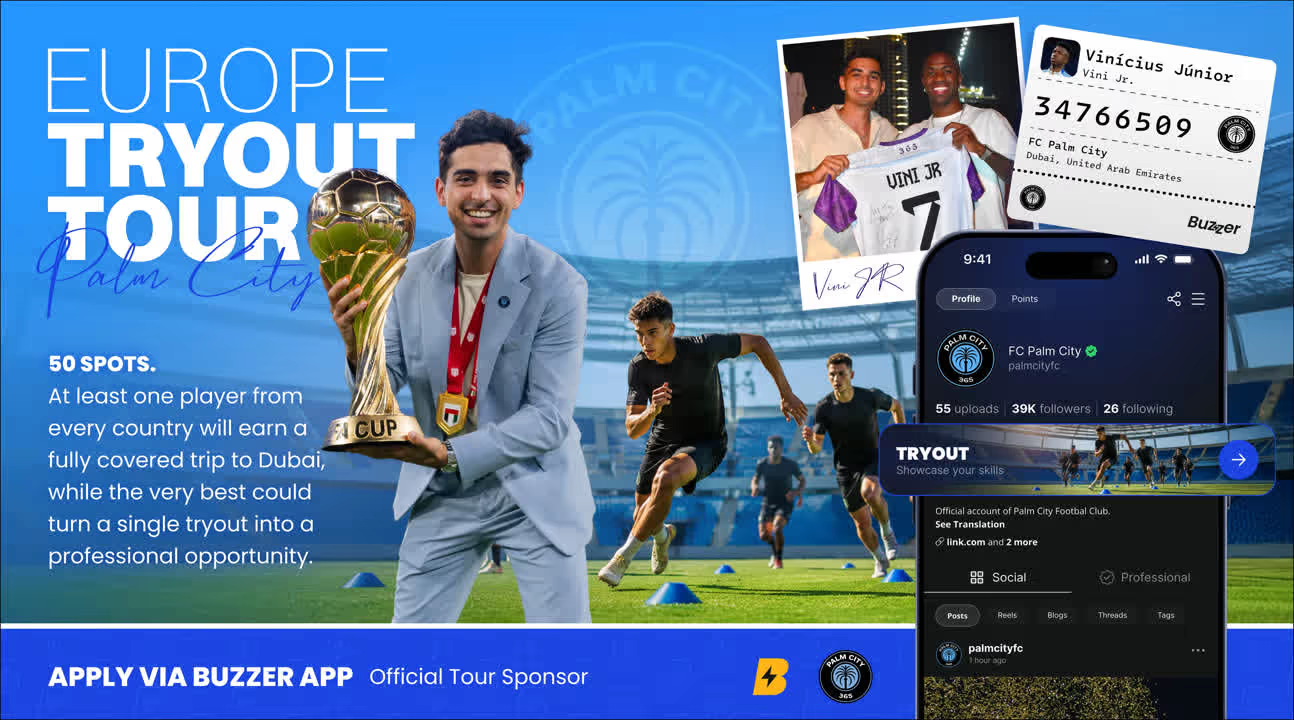
"We Don't Take the Guy With the Camera." He Built His Own Club Anyway. Now He's Coming to Find You.

Building the Infrastructure Sports Tech Forgot


 2
2 

