




 0
0Caitlin Clark, Paige Bueckers and Angel Reese: Can the Next Generation Change USA Basketball?
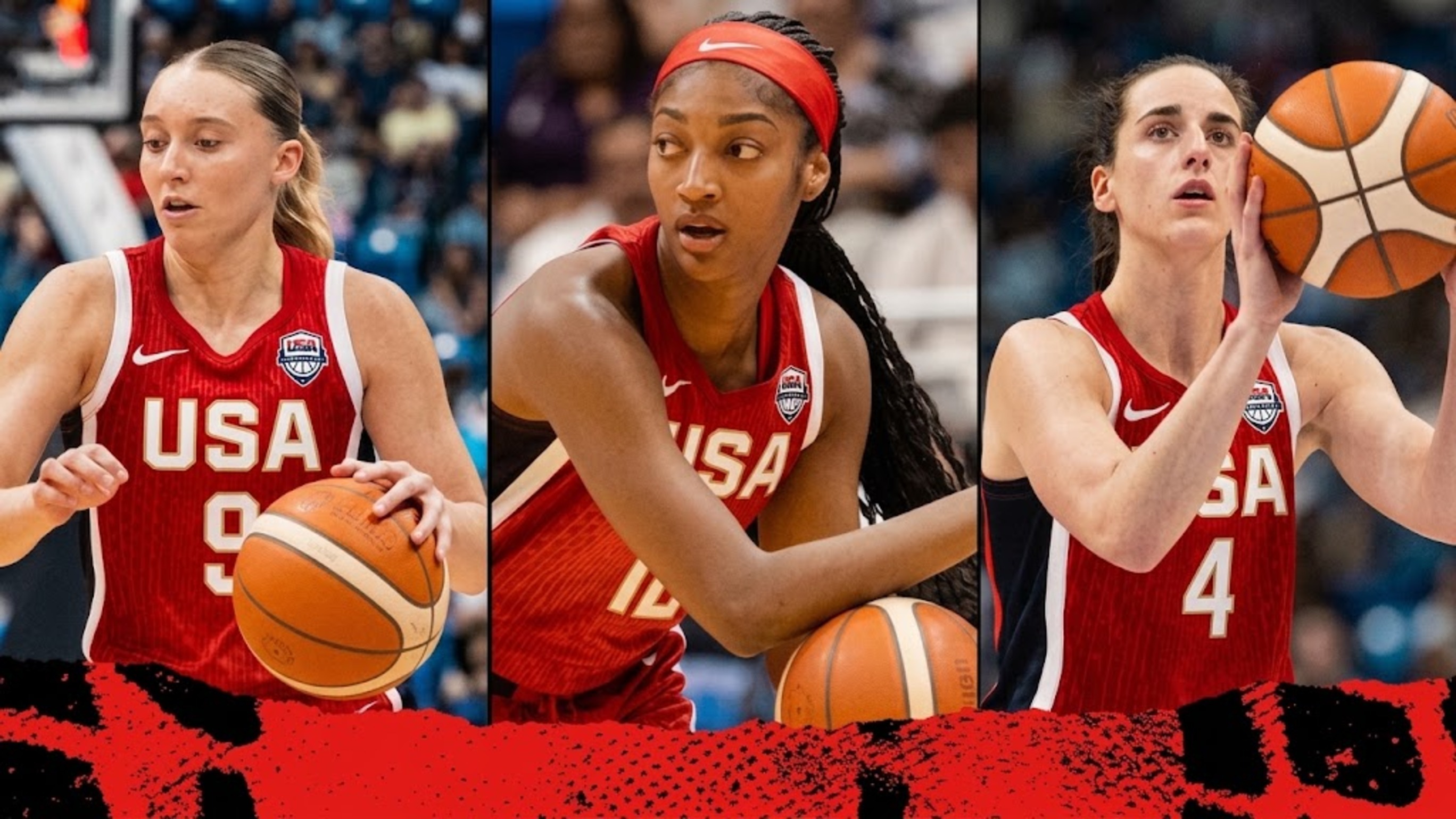
Caitlin Clark, Paige Bueckers and Angel Reese have spent their WNBA careers as rivals as much as peers, three of the league's most-watched young stars, each carrying their own dedicated fanbase and their own distinct on-court identity. In Berlin, they're teammates.
Team USA has won nine of the last twelve FIBA World Cups and enters this tournament chasing a fifth straight title. What's different this time is who's wearing the jersey alongside the program's established veterans.
Why this specific trio matters beyond their individual talent
USA Basketball has traditionally leaned heavily on established veterans for its senior national team, with younger stars typically waiting years for a genuine role on the roster. Clark, Bueckers, and Reese all making the World Cup squad in the same cycle represents a faster generational transition than the program has usually allowed, reflecting both their individual performances and a broader shift in how quickly the WNBA's newest stars have become genuinely essential rather than simply promising.
That acceleration matters for a program that's occasionally been criticized for being slow to integrate younger talent into its highest-stakes rosters.
Why playing together changes how each of them gets perceived
Clark, Bueckers and Reese have spent their WNBA careers largely defined in relation to each other, constantly compared, occasionally pitted against one another in media narratives built around their draft class and their competing fanbases. Sharing a national team roster forces a different framing entirely: three players who have to function as complementary parts of the same system, not competing storylines.
That shift could meaningfully change how fans and media discuss all three, moving the conversation from rivalry toward collaboration, at least for the duration of this tournament.
What their success or struggle here would actually reveal
A strong tournament run featuring heavy contributions from this trio would offer real evidence that USA Basketball's next generation is ready to anchor the program at the highest level, not just supplement established veterans in limited roles. A rockier tournament wouldn't necessarily undermine any of their individual credentials, but it would raise real questions about chemistry, roles, and readiness for exactly this level of pressure together.
Either outcome provides USA Basketball with genuinely useful information heading into future cycles, including the next Olympics.
Why this moment carries weight beyond this specific tournament
Team USA's dominance in women's basketball has depended on a consistent conveyor belt of elite talent transitioning smoothly from one generation to the next. Whether Clark, Bueckers, and Reese become the next core of that conveyor belt, the way past generational cohorts eventually did, is a genuine open question this World Cup starts to answer.
Three of the WNBA's most talked-about young stars are finally on the same roster, at the sport's biggest international stage. Is this the beginning of USA Basketball's next great generational core, or will their genuinely different games and personalities make them a harder combination to blend than their individual talent alone would suggest?

Sarajevo Back at the Heart of Regional MMA: SFC Returns with Explosive Matchups

How Buzzer Karma Works: Levels, Penalties, and What They Mean
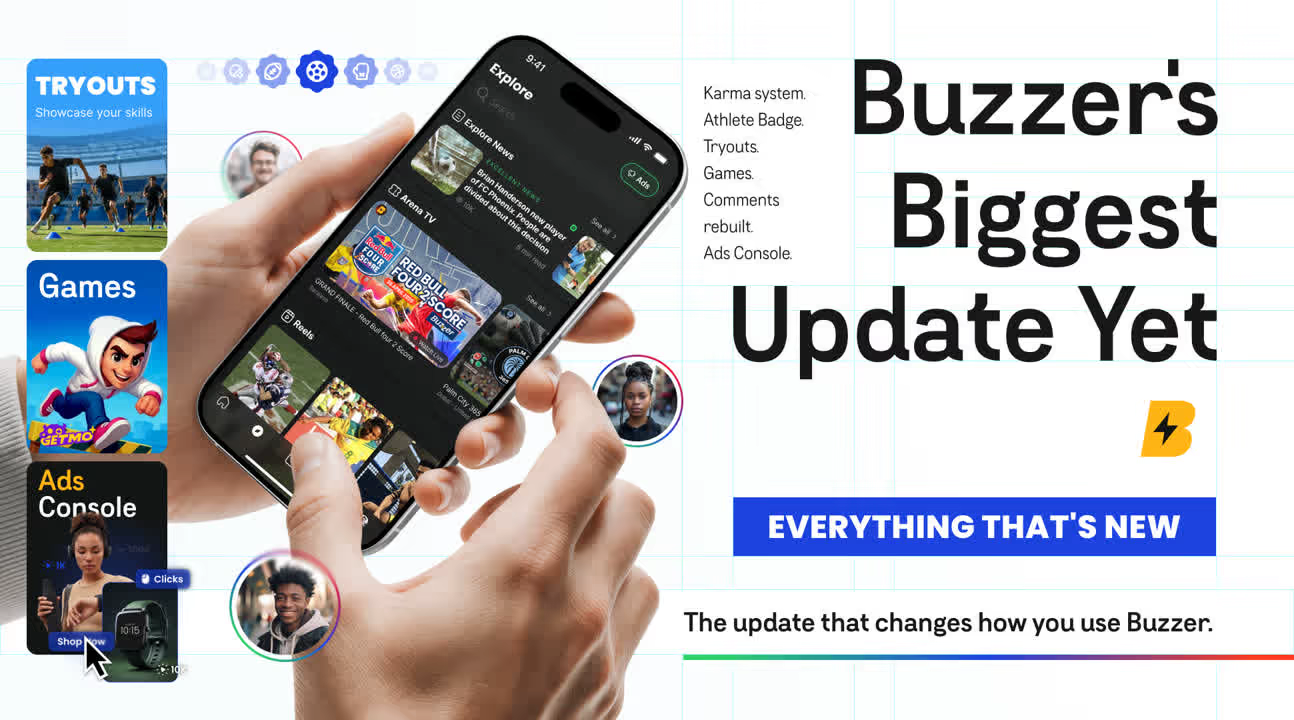
Inside Buzzer's Latest Update (and Why It Changes How You Use the App)

Buzzer Introduces Ads Console: A New Era of Advertising Across the Entire Buzzer Ecosystem

Buzzer Is Evolving: From Quantity to Quality

Buzzer Now Has a Games Hub, and Tournaments Are Coming

Al Ittihad SC's Matches Are Now Live on Buzzer

Palm City vs Gulf United Ends in 1–1 Draw in UAE Second Division League Clash
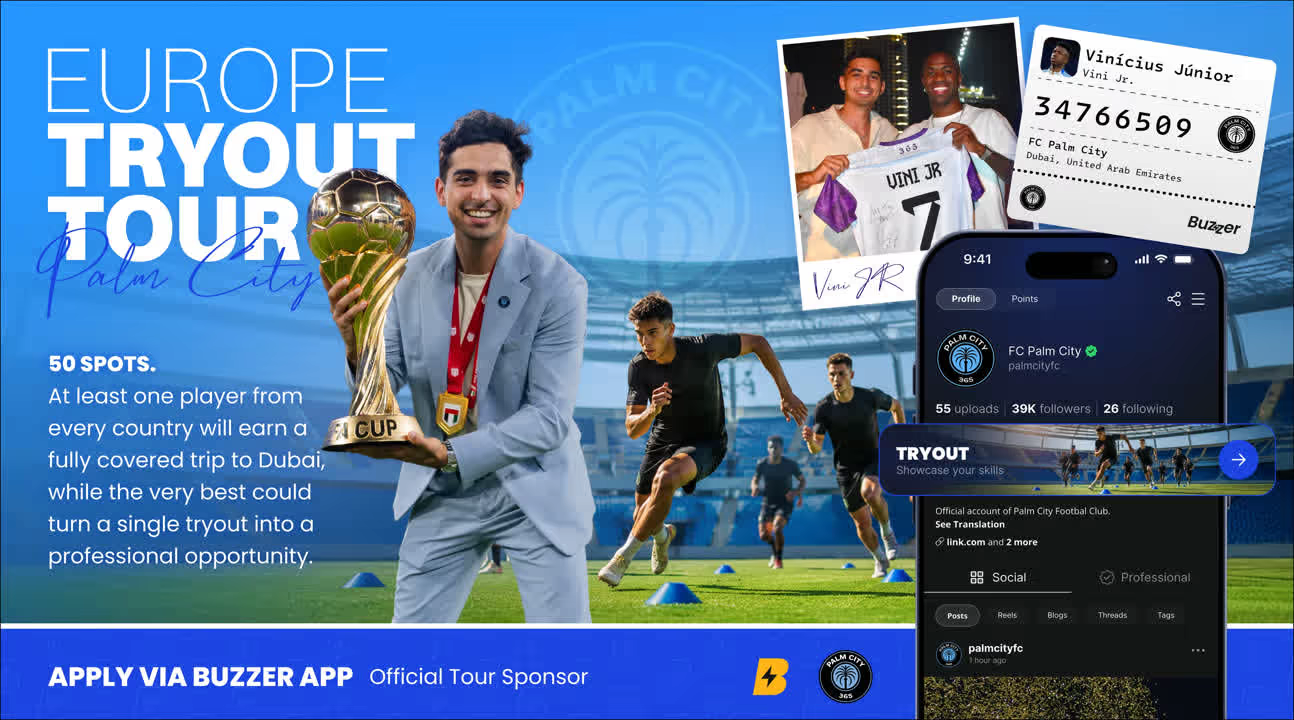
"We Don't Take the Guy With the Camera." He Built His Own Club Anyway. Now He's Coming to Find You.

Building the Infrastructure Sports Tech Forgot


 1
1 

