




 0
0MotoGP Has a New Power Map
For a long time, the calculus for an ambitious MotoGP rider was simple. Get to a factory team. Ducati, Honda, Yamaha, whoever was winning, that's where you wanted to be, because factory machinery meant the best equipment and the best shot at a title.
Watch the moves happening around Tech3, VR46 and Trackhouse right now, and that old logic looks increasingly outdated.
That would have sounded strange not long ago. Satellite teams were traditionally seen as stepping stones, places where young riders proved themselves before moving into the factory garage. Now some of those teams are offering something arguably more valuable: a competitive bike, greater freedom, and a realistic chance to build the project around the rider.
Satellite teams are the new destination
Tech3 signed Luca Marini not as a fallback option but as a rider they'd actively been chasing since his agent first approached Guenther Steiner at the Italian Grand Prix.
VR46 locked up Fermin Aldeguer through 2028, a two-year commitment to a rider who hasn't yet had time to prove himself as a genuine race winner.
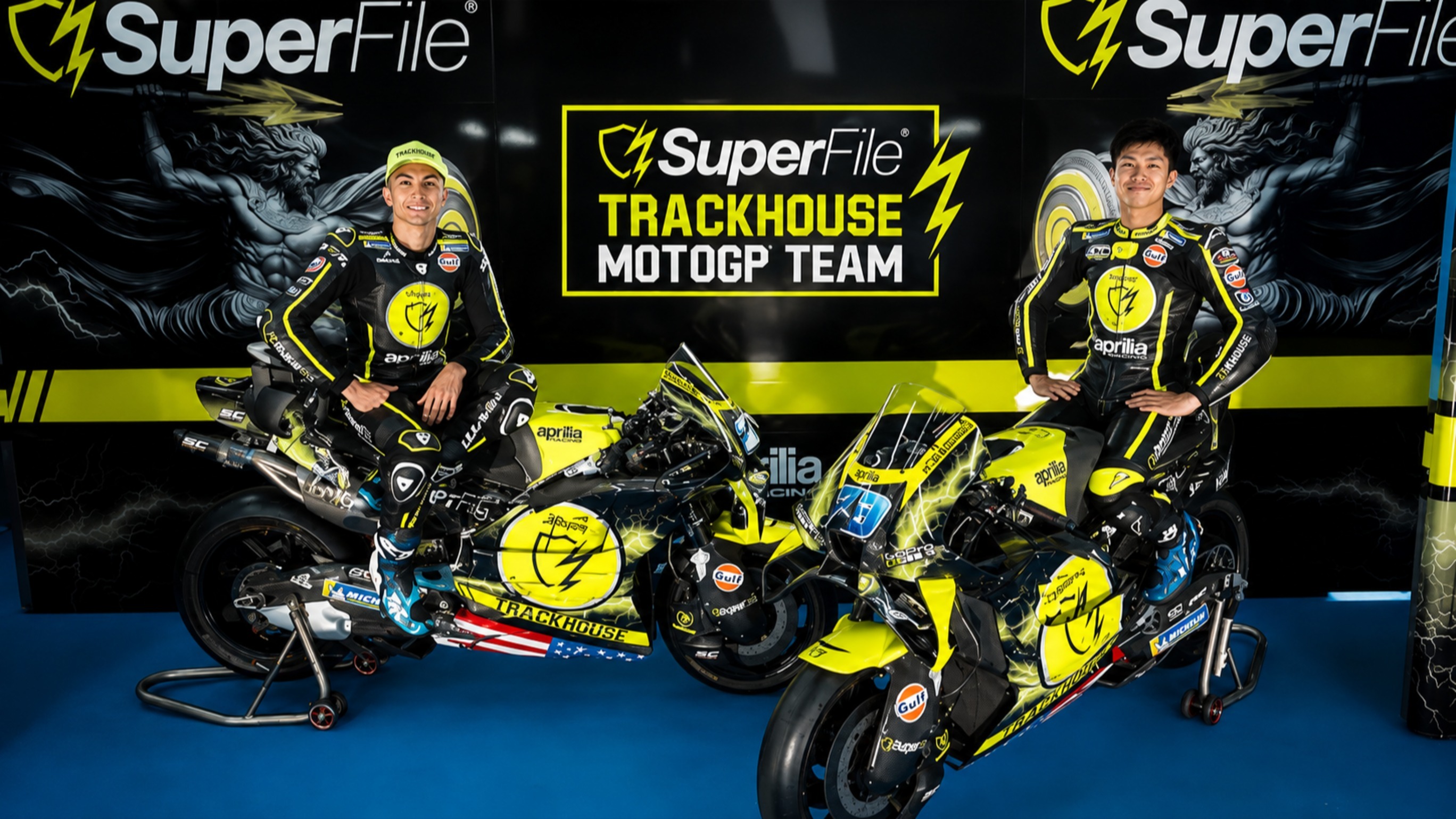
Trackhouse, meanwhile, an American team that didn't even exist in MotoGP a few years ago, pulled in Bastianini, a rider with actual Grand Prix wins on his résumé, and extended Raúl Fernández at the same time.
None of these are factory seats in the traditional sense. All three are satellite teams.
And yet established, race-winning riders are choosing them, sometimes over remaining with factory-adjacent squads they've ridden for years.
Why the shift?
Part of the explanation is timing, given the wholesale 2027 regulation reset discussed elsewhere in this batch.
But part of it is something more structural. Satellite teams in MotoGP have become genuinely closer to their factory partners than they used to be, running current-spec machinery rather than hand-me-down bikes, and offering riders more input into development and more room to be the clear number one rather than fighting a factory teammate for resources and attention.
Tech3's own transformation captures this shift neatly. Under new ownership led by Steiner, the team now negotiates and signs its riders directly rather than simply hosting whoever KTM assigns to it, even though it still needs manufacturer approval.
That's a level of team autonomy satellite outfits rarely had a decade ago, and it changes what a satellite seat actually represents to a rider weighing his options.
Two ways to see it
There's a version of this that flatters the sport. Better satellite infrastructure means better racing further down the grid, and manufacturers spreading resources more evenly instead of hoarding everything for two factory bikes.
There's also a less flattering version, where factory teams simply have less patience for developing riders through growing pains, making the well-run satellite squad a more attractive long-term home even for riders good enough to eventually deserve a factory seat.
Either way, the idea that "factory or bust" is the only path to winning in MotoGP is starting to look like something from a previous era of the sport.
Is this genuinely a more level MotoGP grid taking shape, or just a temporary side effect of an unusually chaotic transition year?

Sarajevo Back at the Heart of Regional MMA: SFC Returns with Explosive Matchups

How Buzzer Karma Works: Levels, Penalties, and What They Mean
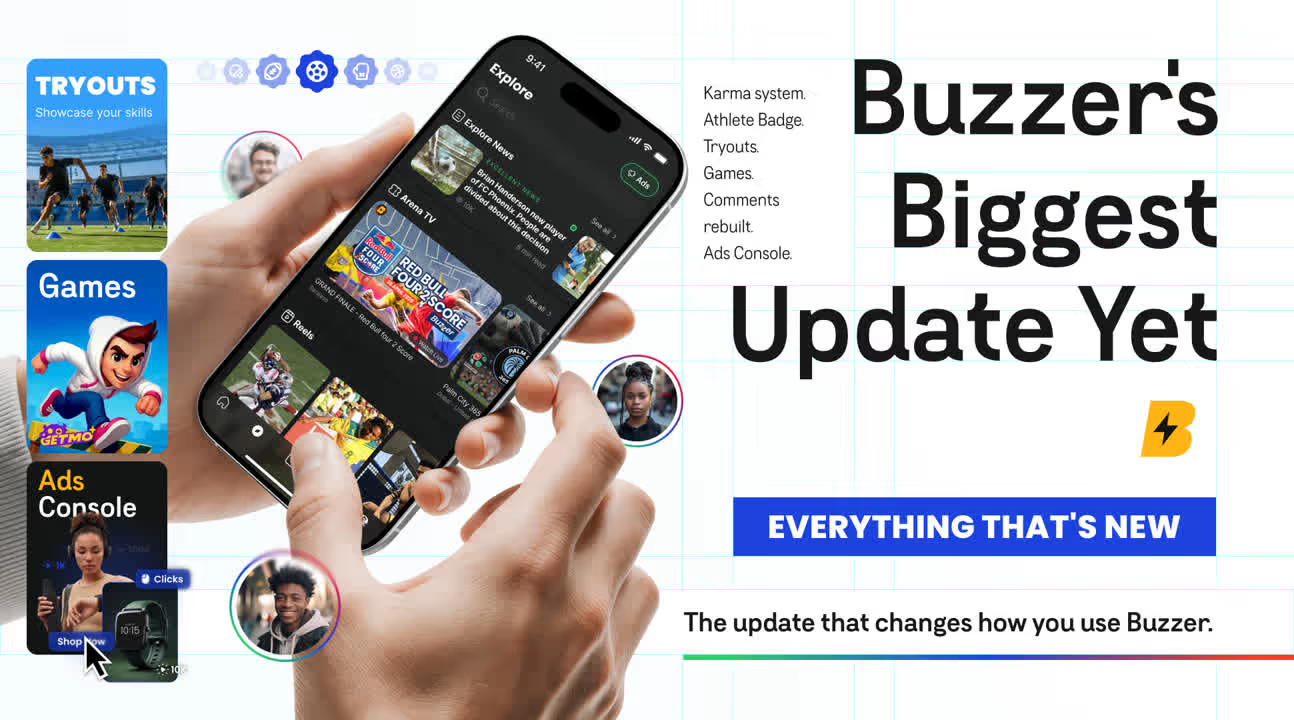
Inside Buzzer's Latest Update (and Why It Changes How You Use the App)

Buzzer Introduces Ads Console: A New Era of Advertising Across the Entire Buzzer Ecosystem

Buzzer Is Evolving: From Quantity to Quality

Buzzer Now Has a Games Hub, and Tournaments Are Coming

Al Ittihad SC's Matches Are Now Live on Buzzer
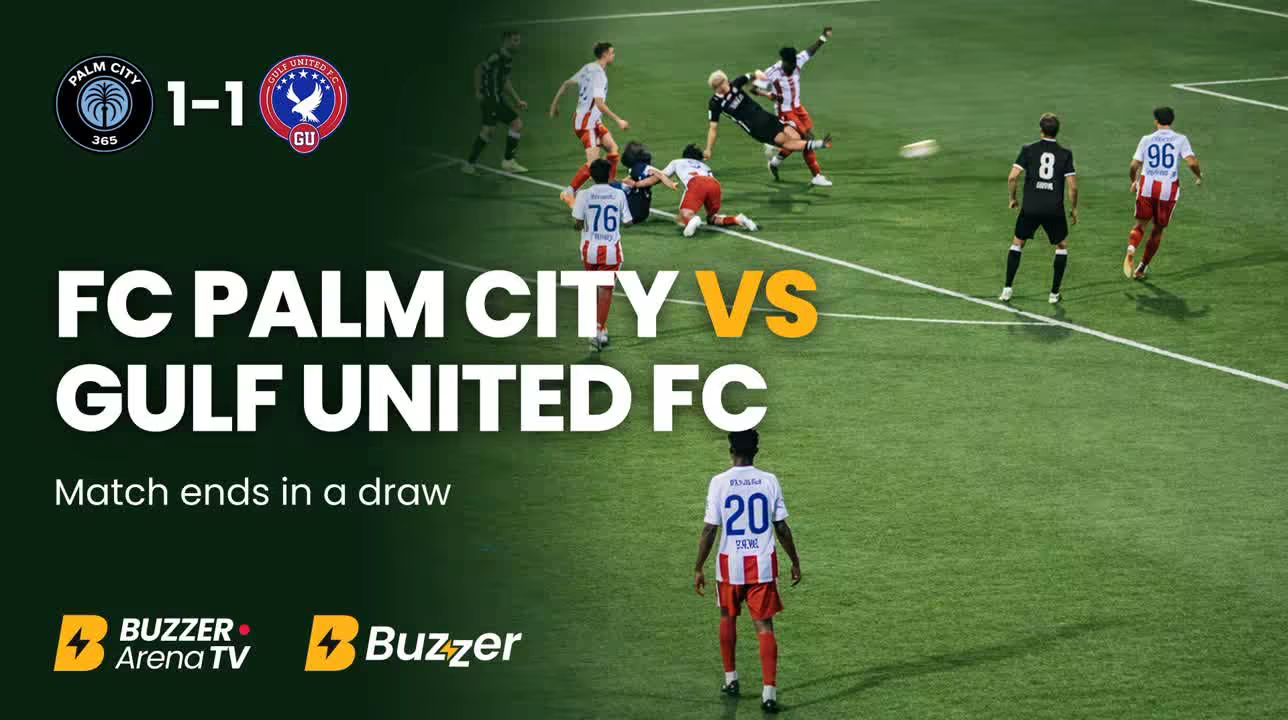
Palm City vs Gulf United Ends in 1–1 Draw in UAE Second Division League Clash

"We Don't Take the Guy With the Camera." He Built His Own Club Anyway. Now He's Coming to Find You.

Building the Infrastructure Sports Tech Forgot


