




 0
0Maro Itoje Took a Break and Came Back Better. Could Rest Become Rugby's Next Competitive Advantage?
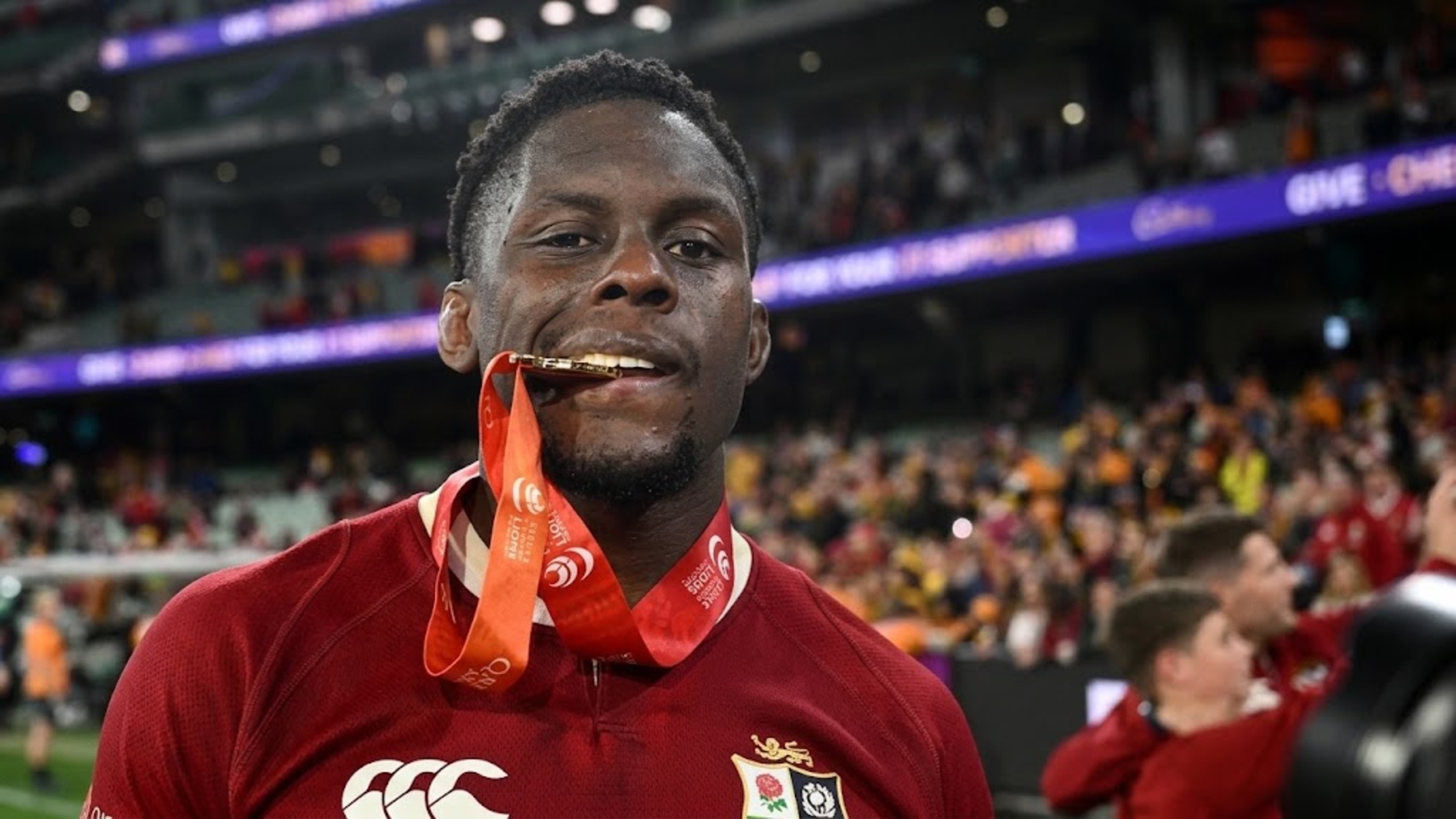
Maro Itoje had played in pretty much every England campaign since his international debut. This summer, for the first time, he sat one out on purpose, on the advice of his own head coach, and came back describing a mental recovery he called more significant than any physical rest.
If a deliberate break genuinely made England's captain sharper rather than rustier, other unions have a real incentive to start treating rest as a competitive tool rather than simply lost training time.
Why this specific case is worth other unions studying closely
Head coach Steve Borthwick first raised the idea after a demanding stretch that included a Lions tour, a full Six Nations campaign, and a personal loss in Itoje's family. Itoje needed convincing before agreeing to sit out England's Nations Championship fixtures, his first full preseason with Saracens since 2014.
He returned with old physical niggles gone and, by his own account, a genuinely refreshed mental state heading into the season, exactly the kind of measurable improvement that would justify other unions considering similar planned breaks for their own key players.
Why voluntary rest has been so rare in elite rugby specifically
Rugby's physical demands, and its culture of toughness, have historically made voluntary rest look like a luxury reserved for players already dealing with visible injury. Itoje himself pointed out the double standard directly: injury is often the only socially acceptable route to real rest, since it comes with an obvious physical justification that a purely mental or preventive break doesn't carry.
Choosing rest without an injury forcing the decision requires both a coach and a player secure enough in their standing to treat it as legitimate rather than as an admission of weakness.
What actually made this specific break effective
Itoje described deliberately avoiding England's fixtures during his time off entirely, not watching live, specifically to protect the psychological distance the break was meant to provide. That's a level of intentionality beyond simply not training, treating the break as genuine recovery time rather than a passive absence he still mentally remained tied to.
That distinction, active disengagement versus simply not playing, may be exactly what separates a break that actually restores an athlete from one that just delays the same underlying fatigue.
Why this could genuinely reshape how rugby manages its stars
If England's results with a rested, sharper Itoje bear out over the coming season, it gives other unions a concrete, high-profile example to point to when making the case for similarly planned breaks with their own key players. That's a different kind of evidence than an abstract wellness argument, since it comes from one of the sport's most visible and successful current players.
Itoje came back from a deliberate break sharper than he'd been in years. Is planned rest genuinely becoming rugby's next real competitive edge, or does it only work this well for players secure enough in their status to actually take the risk?

Sarajevo Back at the Heart of Regional MMA: SFC Returns with Explosive Matchups

How Buzzer Karma Works: Levels, Penalties, and What They Mean

Inside Buzzer's Latest Update (and Why It Changes How You Use the App)

Buzzer Introduces Ads Console: A New Era of Advertising Across the Entire Buzzer Ecosystem

Buzzer Is Evolving: From Quantity to Quality

Buzzer Now Has a Games Hub, and Tournaments Are Coming

Al Ittihad SC's Matches Are Now Live on Buzzer

Palm City vs Gulf United Ends in 1–1 Draw in UAE Second Division League Clash

"We Don't Take the Guy With the Camera." He Built His Own Club Anyway. Now He's Coming to Find You.

Building the Infrastructure Sports Tech Forgot


