




 0
0The WNBA's Real "Too Many Stars" Problem Isn't in Philadelphia. It's in Atlanta.
Quick correction to the premise everyone keeps repeating: Philadelphia doesn't have a WNBA team yet. That market doesn't tip off until 2030. The actual "too many stars, not enough chemistry" story sitting in plain sight right now belongs to the Atlanta Dream, and it's a lot more interesting than a hypothetical roster crunch three cities away.
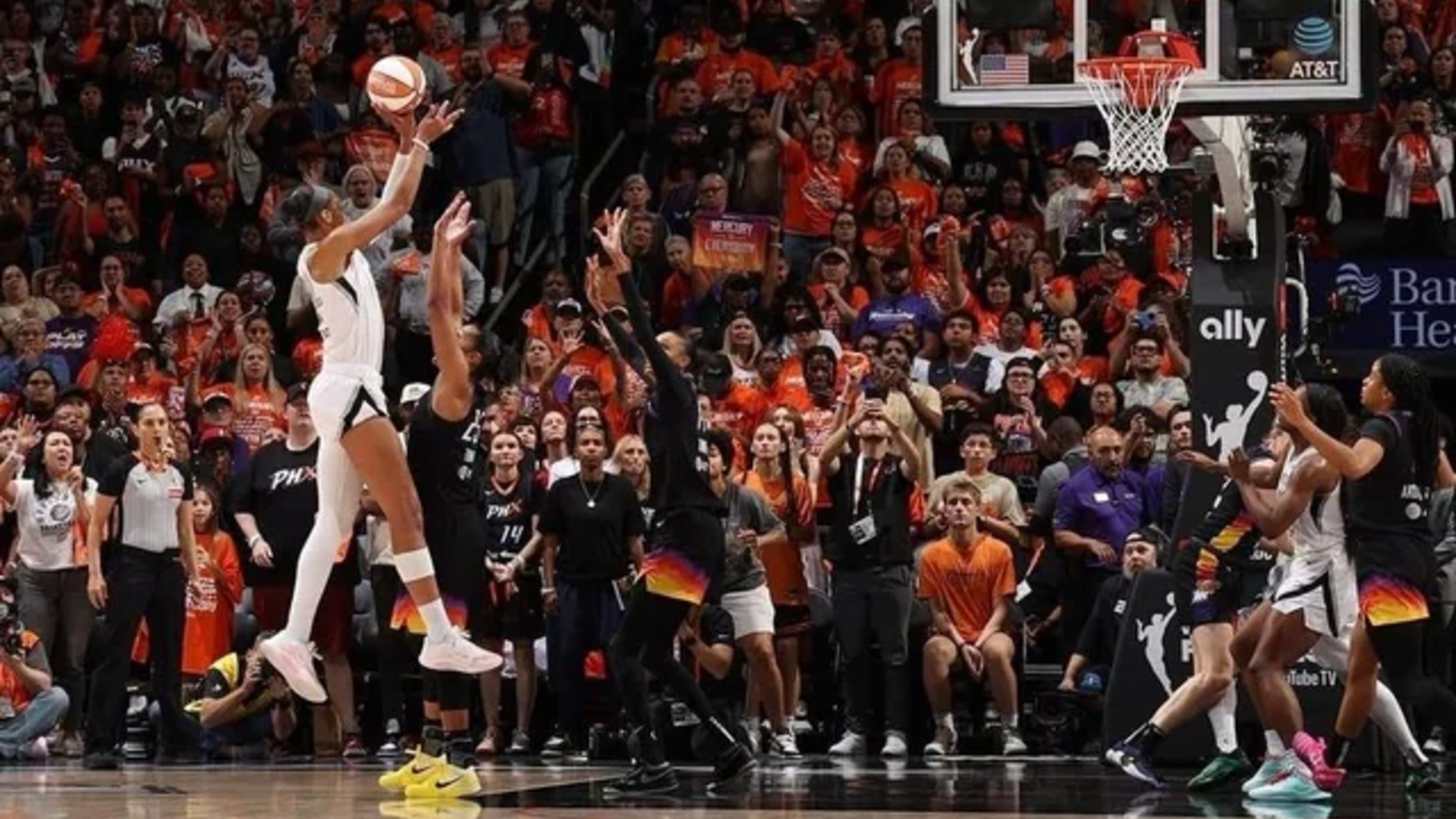
Atlanta sent three players to the 2026 All-Star Game. Allisha Gray, Rhyne Howard and Angel Reese, all reserves, all averaging real numbers. Gray's putting up a career high scoring average. Howard leads the league in steals. Reese leads the league in rebounds and has been a walking double-double all year. On paper this reads like a team that should be terrifying.
So why does it still feel like the same story?
Here's the uncomfortable part. None of the three has actually taken the leap that turns a good regular season into a team people fear in the playoffs. Howard's scoring average this year sits close to where it's been every season since 2023. Gray's three point shooting has actually gone backward even as her scoring's gone up. Reese is still Reese, elite on the glass, but the same questions about her range and finishing efficiency haven't gone anywhere. Individually excellent. Collectively, still searching.
That's the actual lesson buried in the Philadelphia mixup. Fans assume that stacking talent automatically produces results, and the Dream are the clearest counter example in the league right now.
Three All-Stars sharing the floor doesn't rearrange itself into instant chemistry just because the box score looks good. Somebody has to be the third option on a given possession, somebody has to defer, and building that instinct takes actual repetitions together, not just individual talent in the same uniform.
What actually breaks the ceiling
Atlanta clinched a playoff spot again this year, which sounds like progress until you remember that's basically been the floor for this group for a couple of seasons running. The concerning part isn't making the postseason. It's the growing sense inside the fanbase that this is a team that's found its level and isn't climbing past it, the same names doing roughly the same things against the same opponents that have given them trouble before.
None of this means the Dream made a mistake building around three high-usage scorers. It means shot distribution and offensive hierarchy are genuinely hard problems, even for a front office that's clearly done its job on the talent-acquisition side. You can draft and trade for stars. You can't shortcut the years it takes for three ball-dominant players to figure out how to actually elevate each other instead of just coexisting.
The WNBA's next great roster-construction story might not be about who has the most talent. It might be about who figures out how to share it. Atlanta has the ingredients. Whether they ever crack the recipe is the more honest question than anything happening in a city that doesn't have a team yet.
Is it actually possible to fix chemistry between three ball-dominant scorers through coaching and reps, or does a roster like this eventually need one of them to accept a genuinely smaller role?

Sarajevo Back at the Heart of Regional MMA: SFC Returns with Explosive Matchups

How Buzzer Karma Works: Levels, Penalties, and What They Mean

Inside Buzzer's Latest Update (and Why It Changes How You Use the App)

Buzzer Introduces Ads Console: A New Era of Advertising Across the Entire Buzzer Ecosystem

Buzzer Is Evolving: From Quantity to Quality

Buzzer Now Has a Games Hub, and Tournaments Are Coming

Al Ittihad SC's Matches Are Now Live on Buzzer

Palm City vs Gulf United Ends in 1–1 Draw in UAE Second Division League Clash

"We Don't Take the Guy With the Camera." He Built His Own Club Anyway. Now He's Coming to Find You.

Building the Infrastructure Sports Tech Forgot


