




 0
0The Women's Basketball World Cup Starts Today.Has Women's Basketball Become a Global Talent Factory?
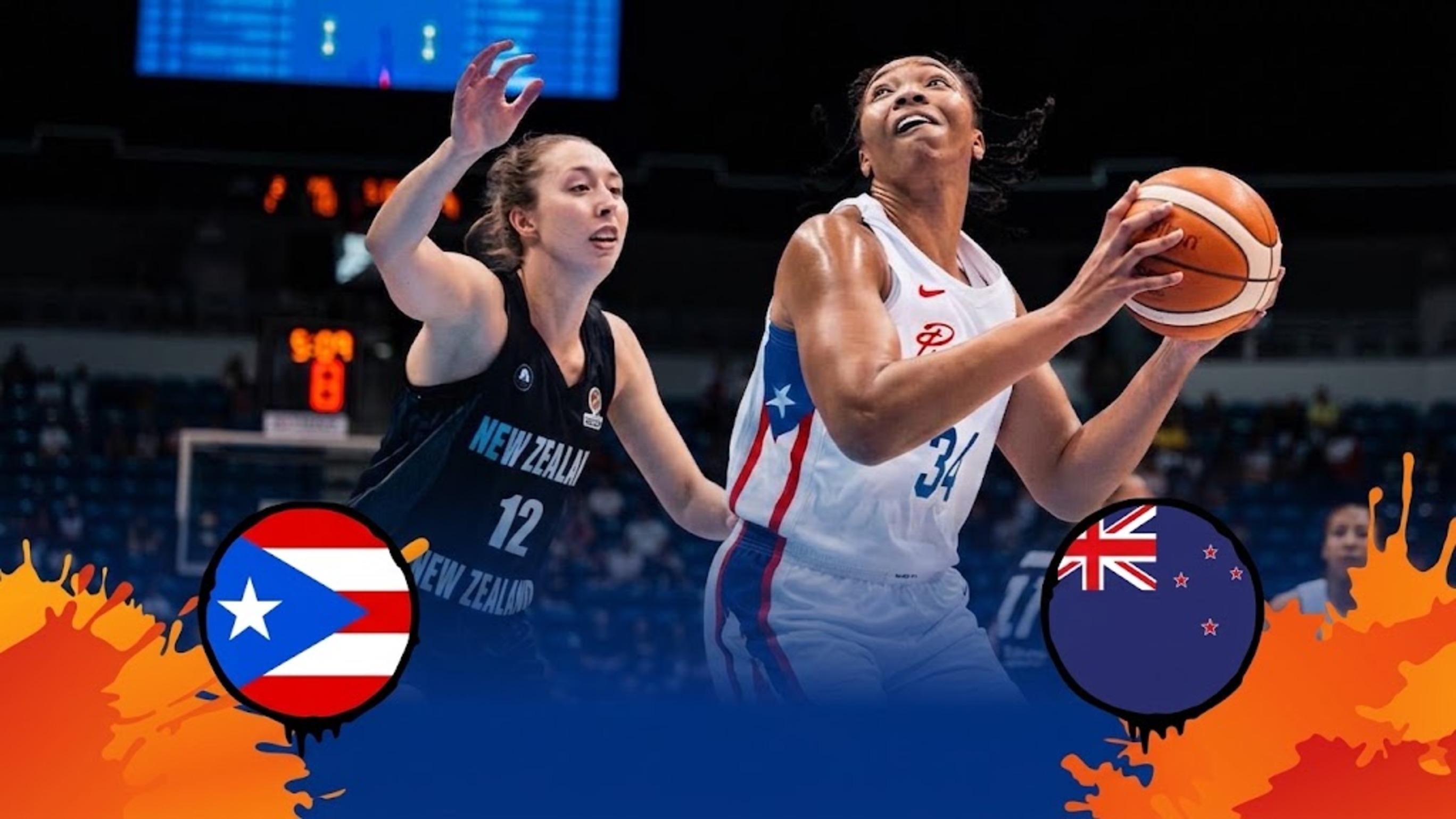
Sixteen national teams from four confederations begin the 20th FIBA Women's Basketball World Cup in Berlin today. Beneath the tournament bracket sits a quieter, more significant story: nearly every roster in the field now includes players who compete professionally at the WNBA level, a genuinely global talent distribution that didn't exist even a decade ago.
Germany, hosting for the second time since 1998, enters a tournament that looks structurally different from the one it hosted almost three decades earlier.
Why the talent gap between nations has narrowed so significantly
Team USA's dominance in this event has historically rested partly on a simple structural advantage: American players had far more access to elite, high-level competition domestically than players from most other countries. That advantage has eroded as WNBA rosters have opened up to a genuinely global pool of talent, giving international players regular access to the same intensity and coaching quality that once belonged almost exclusively to Americans.
France's near-upset of Team USA in the 2024 Olympic final, losing by a single point, is the clearest recent evidence of how much that gap has closed.
Why this shift didn't happen by accident
WNBA teams have increasingly prioritized international scouting as domestic college basketball, while still a strong pipeline, no longer represents the league's only meaningful talent source. That deliberate broadening of recruitment has directly fed the improvement in international competition, since players developing in the WNBA inevitably bring that experience back to represent their home countries at events exactly like this one.
It's a self-reinforcing cycle: a stronger WNBA attracts more international talent, which strengthens international competition, which raises the overall profile and quality of the sport globally.
Why depth matters more than any single dominant nation
A tournament where genuine competitive threats exist beyond the usual one or two dominant programs produces better basketball and a more compelling event overall. This year's field includes nations like Nigeria, entering off an African championship title, and a host of European sides stocked with legitimate professional talent, rather than a predictable procession toward an inevitable American final.
That depth is a direct product of the global talent distribution described above, not a coincidence of one unusually strong tournament cycle.
What this means for the sport's trajectory going forward
If the current trend continues, future editions of this tournament are likely to feature even more competitive balance, with a growing number of nations genuinely capable of testing Team USA rather than simply making up the numbers in group play. That's a healthier long-term trajectory for the sport's global growth than continued, uncontested American dominance.
Women's basketball's global talent pool has never looked this deep or this evenly distributed heading into a World Cup. Is that the WNBA's success story as much as it's the sport's, or would this depth have emerged eventually regardless of any single league's role in developing it?

Sarajevo Back at the Heart of Regional MMA: SFC Returns with Explosive Matchups

How Buzzer Karma Works: Levels, Penalties, and What They Mean
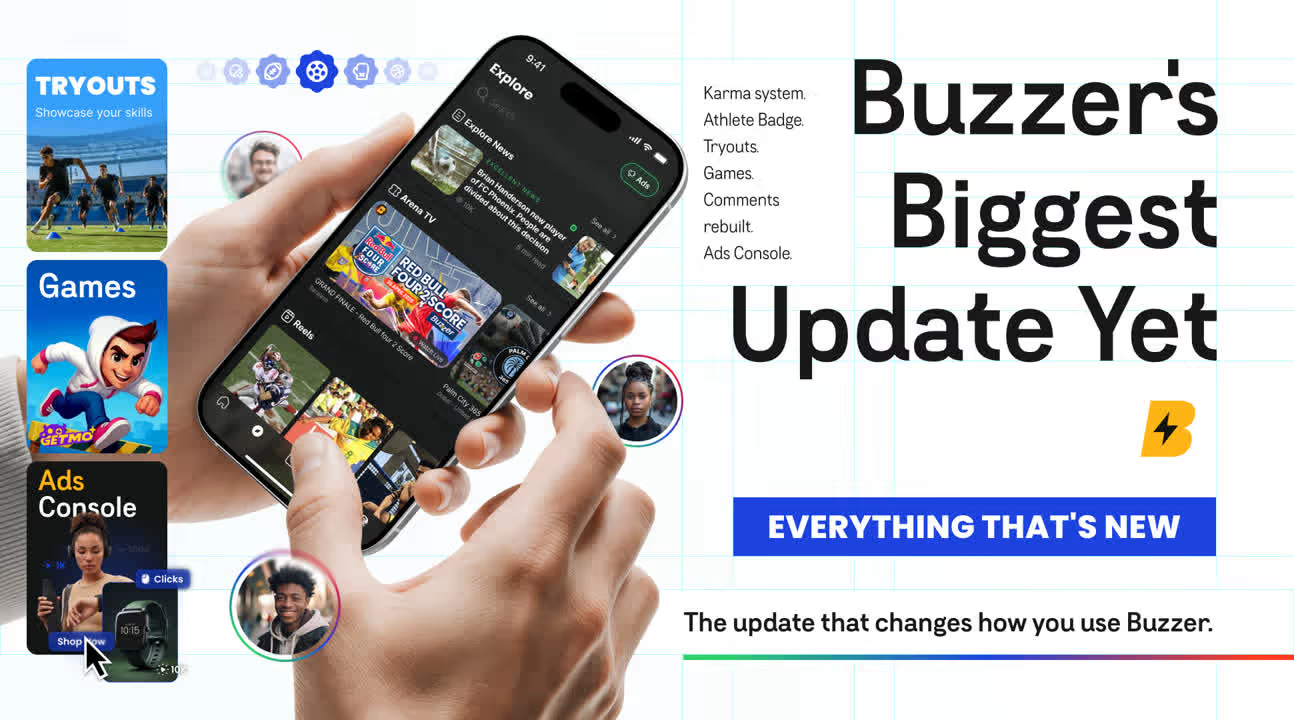
Inside Buzzer's Latest Update (and Why It Changes How You Use the App)

Buzzer Introduces Ads Console: A New Era of Advertising Across the Entire Buzzer Ecosystem

Buzzer Is Evolving: From Quantity to Quality

Buzzer Now Has a Games Hub, and Tournaments Are Coming

Al Ittihad SC's Matches Are Now Live on Buzzer

Palm City vs Gulf United Ends in 1–1 Draw in UAE Second Division League Clash

"We Don't Take the Guy With the Camera." He Built His Own Club Anyway. Now He's Coming to Find You.

Building the Infrastructure Sports Tech Forgot


 1
1 

