




 0
0Liverpool Spent Big on Wirtz. Why Do Record Transfers Take So Long to Truly Pay Off?
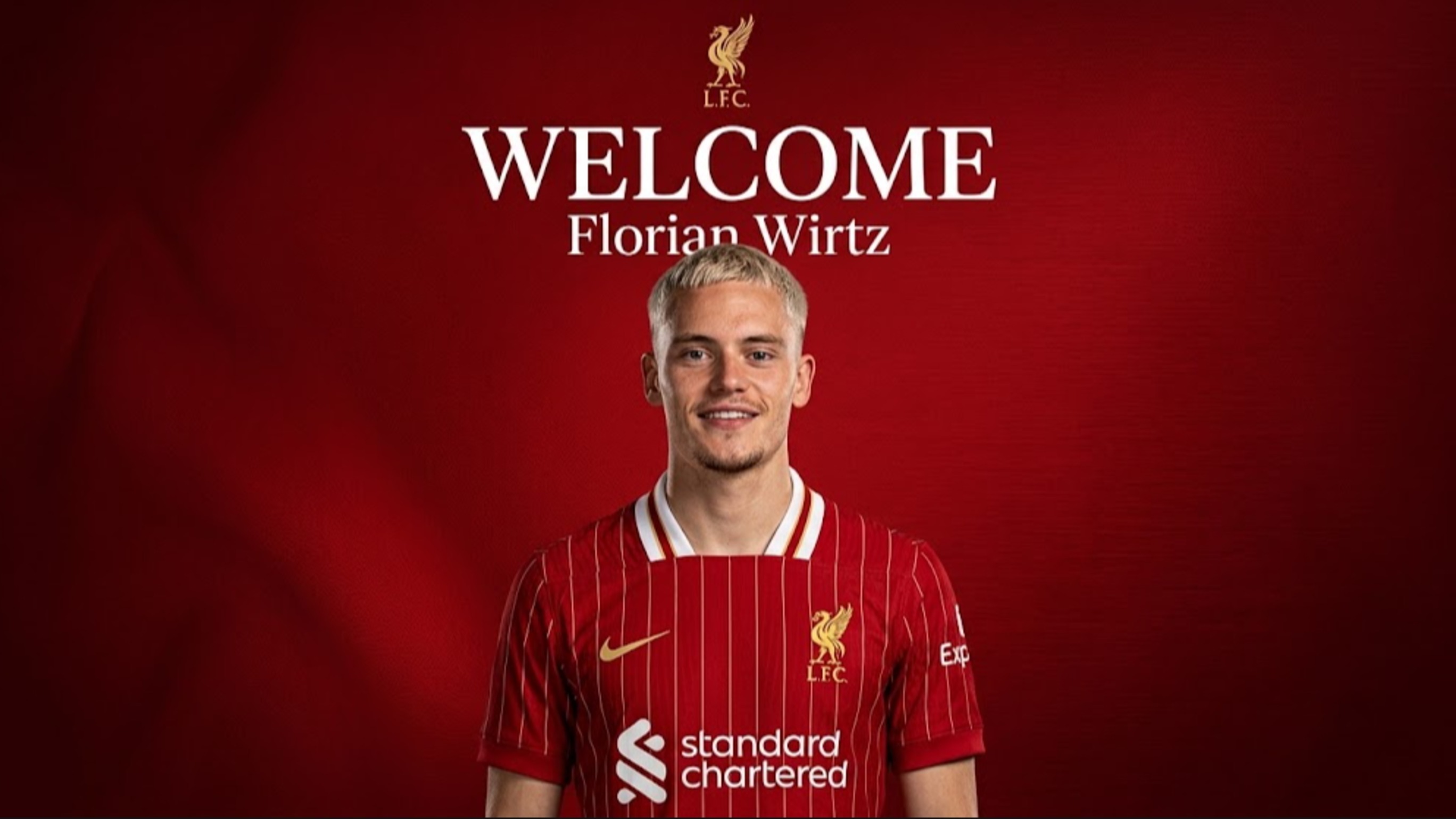
Liverpool paid £116 million for Florian Wirtz, a British transfer record at the time, built on years of evidence: 59 goals and 63 assists across 201 appearances for Bayer Leverkusen, and the creative engine of a team that won a league and cup double without losing a single match.
Months into his Liverpool career, Wirtz still hasn't scored. He's been honest about it too. "It's no secret," he admitted, describing a struggle to find his best form that he says he hasn't experienced before in his career.
Why elite talent doesn't guarantee an immediate transition
Wirtz's struggles aren't about ability. They're about adaptation, adjusting to a different league's pace, physicality, and tactical demands than the one where his entire reputation was built. The Premier League is widely regarded as more physically demanding and less tactically permissive of the free-roaming creative role Wirtz thrived in at Leverkusen, and that stylistic gap doesn't close overnight regardless of a player's underlying quality.
That's a genuinely different challenge than simply being good enough. It's a question of how quickly elite instincts, built and automated in one system, can be rebuilt inside a different one.
Why the contrast with Ekitiké matters
Fellow Liverpool new arrival Hugo Ekitiké, signed from Eintracht Frankfurt for a fraction of Wirtz's fee, has adapted quickly and produced immediately. That contrast isn't necessarily about which player is more talented. It often reflects how closely a player's specific skill set and role match what a new league and system actually demand, rather than pure ability transferring cleanly across leagues.
A striker's core job, finishing chances in the box, tends to translate more directly across different leagues than a creative playmaker's more nuanced, system-dependent responsibilities.
Why patience with a record fee is genuinely difficult
A £116 million transfer fee creates enormous, immediate pressure for a return, both from fans and from the financial reality of the investment itself. That pressure can work against the very adaptation period a player like Wirtz actually needs, since every match without a goal or a standout performance gets scrutinized as evidence the transfer isn't working, rather than treated as a normal part of a genuine adjustment period.
Clubs and managers understand this tension well, publicly preaching patience while privately facing real pressure to justify the outlay quickly.
What actually determines whether a record transfer eventually pays off
History suggests the players who do eventually deliver on record fees are usually the ones given a genuine adjustment window, rather than immediate results, before their role and usage get fine-tuned to actually suit their strengths within the new system. Wirtz's frustration is a normal, well-documented phase of exactly that process, not necessarily a sign the transfer was a mistake.
Wirtz's record fee bought years of proven brilliance at Leverkusen, and it's still buying him time to find that same level at Liverpool. Is that adjustment period simply an unavoidable cost of elite talent changing leagues, or does the size of a fee like this make patience harder to sustain than it should be?

Sarajevo Back at the Heart of Regional MMA: SFC Returns with Explosive Matchups

How Buzzer Karma Works: Levels, Penalties, and What They Mean

Inside Buzzer's Latest Update (and Why It Changes How You Use the App)

Buzzer Introduces Ads Console: A New Era of Advertising Across the Entire Buzzer Ecosystem

Buzzer Is Evolving: From Quantity to Quality

Buzzer Now Has a Games Hub, and Tournaments Are Coming

Al Ittihad SC's Matches Are Now Live on Buzzer

Palm City vs Gulf United Ends in 1–1 Draw in UAE Second Division League Clash

"We Don't Take the Guy With the Camera." He Built His Own Club Anyway. Now He's Coming to Find You.

Building the Infrastructure Sports Tech Forgot


 7
7 
