




 0
0Beyond the Horse: What Makes a Great Polo Player?
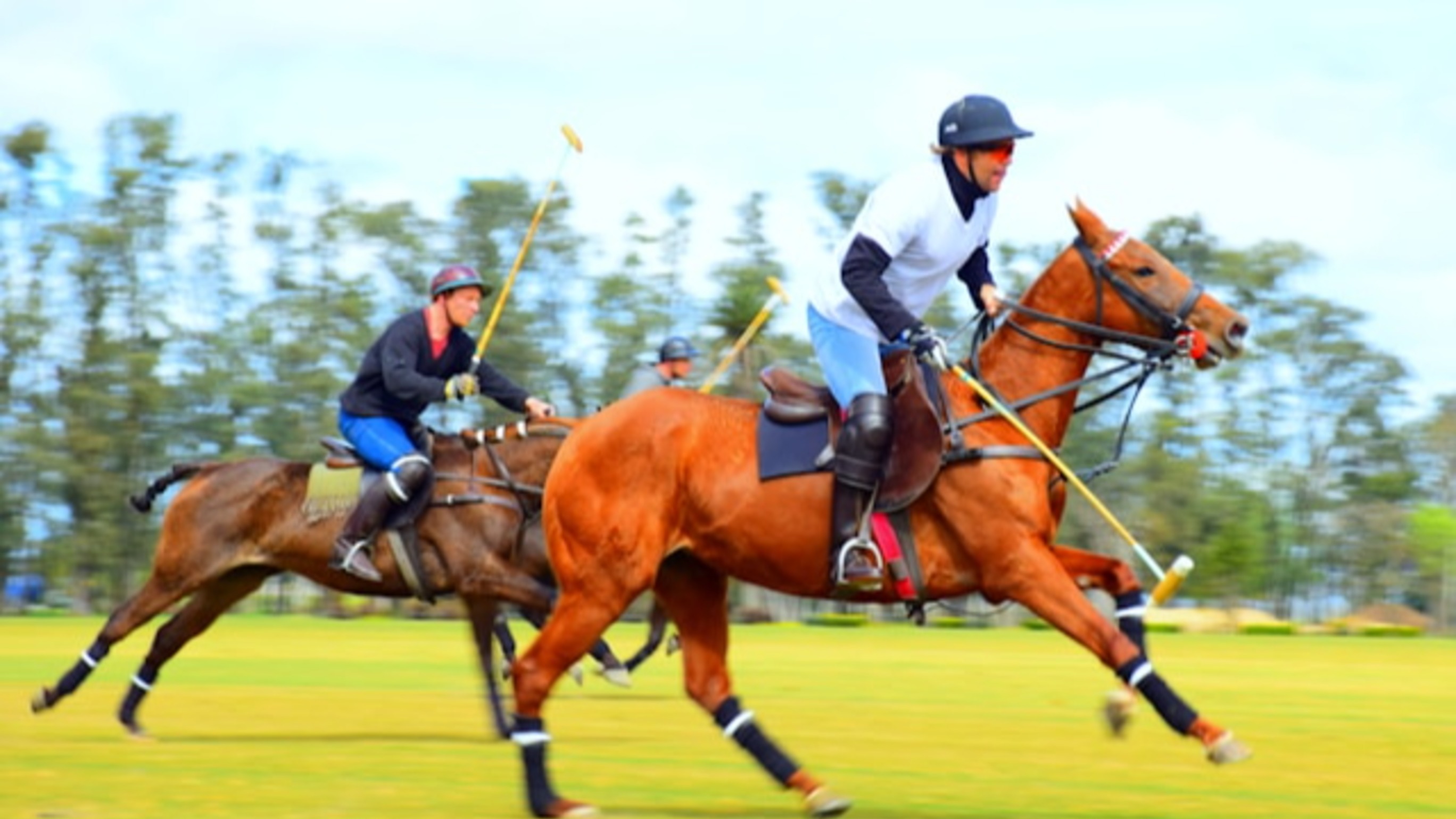
As you watch a polo game, the players make it look effortless. The pony gallops, the rider turns, the mallet swings and the ball shoots away with mesmerizing fluency. Try doing it yourself and the illusion quickly disappears.
Polo is very demanding, both physically and mentally. The best players are excellent riders, completely in sync with their horses. They anticipate the game, execute shots precisely and make smart decisions at speed.
For a beginner, all of this may sound intimidating, but these skills develop gradually, through riding practice, physical training and mental preparation.
Horsemanship comes first in polo
The horse is at the heart of polo, and players have long emphasized just how much their performance depends on their mounts. Elite players attribute up to 80% of their success to their horses. The connection between horse and rider is paramount - a great polo player doesn't simply control a horse, they feel it.
During a match, the horse must speed up, stop and turn, while the rider leans from saddle to strike the ball. If the rider pulls on the reins or resists the horse's movement, both will struggle to perform at their best.
Before playing polo, beginners need to work on their riding skills, developing smooth transitions and balanced turns while maintaining a stable position, allowing the horse to move freely. The goal isn't to make the horse do everything you want; it's to develop such good communication that you can move together almost instinctively.
That feel for the horse becomes the foundation for everything else a polo player does.
Develop your game awareness
Polo is fast, but chasing the ball is not enough. Elite players understand positioning, anticipate where the ball is going and recognize what teammates and opponents are likely to do next. Knowing the line of the ball and the right of way is also essential for playing effectively and safely.
Polo is a team sport, so communication is essential too. Players need to know when to attack, pass, support a teammate or create space.
With practice, the game begins to slow down mentally, even when it is moving faster physically. Great decision-making isn't about reacting more quickly; it's about understanding the situation early enough to know what to do next. Learning to “read” the game is what makes a player valuable to their team.
Master coordination
Hitting a ball at a horse's gallop while leaning out of the saddle and avoiding opponents requires excellent coordination. Beginners may be tempted to hit harder, but timing and control matter more than brute force. A consistent swing and controlled hit are more likely to send the ball where you want it to go.Strength should be used in a controlled way, while the hand holding the reins remains soft enough not to hinder the horse. Properly fitted equipment, including a helmet, gloves and a mallet suited to the player, can also support control and confidence.
Ultimately, good polo technique is about making the right movement at precisely the right moment.
Keep up your fitness level
The pony might be the one galloping, but polo still demands plenty from the rider. Staying balanced in the saddle while swinging a mallet requires cardio endurance, core strength, flexibility and balance. Research on elite polo players has found substantial cardiovascular demands during matches, reinforcing the importance of physical conditioning alongside technical training.
Regular riding, aerobic exercise and, strength training help build a strong foundation, allowing players to concentrate on the game, communicate with their horses and make good decisions, even when fatigue starts to set in.
Keep a cool head
With horses galloping and riders competing for the ball, polo can quickly become chaotic. Staying composed requires confidence, concentration and a healthy respect for risk.
In her first-person account of the mental side of polo, player Anne Gry Reitan Ringen describes how fear and uncertainty can become part of the experience, particularly when speed and competition increase. Her experience highlights an important lesson: bravery isn't about ignoring fear; it's about learning to manage it and still make sensible decisions.
Great players keep learning
Becoming a great polo player isn't about mastering one skill. It's about bringing everything together: horsemanship, game awareness, precise movements, smart decisions and composure under pressure.
You don't have to develop every skill at once. Focus on one weakness during each practice session, whether that's your balance, positioning, swing or decision-making.
The best players keep learning long after the basics become second nature. The goal isn't to become a ten-goaler overnight, but to finish every chukka a little better than you started.
Women in Polo: How Female Players Are Changing the Sport
What Is a Polo Handicap? How Player Ratings Work

What Do Football Scouts Look For in Young Players?
Polo Rules Explained: How the Game Works, From Chukkas to Fouls

The Ethics of Polo Horse Cloning: How Cloned Horses Could Change the Game

Top 3 Most Overrated Premier League Players in 2026
Why Lower-League Football Deserves More Attention Than It Gets

Why Are So Many Spanish Football Clubs Called "Real"?

Manchester United's Weaknesses Have Just Been Exposed By Hull
How Do Football Trials Work? What Young Players Should Expect


