




 0
0Polo Rules Explained: How the Game Works, From Chukkas to Fouls
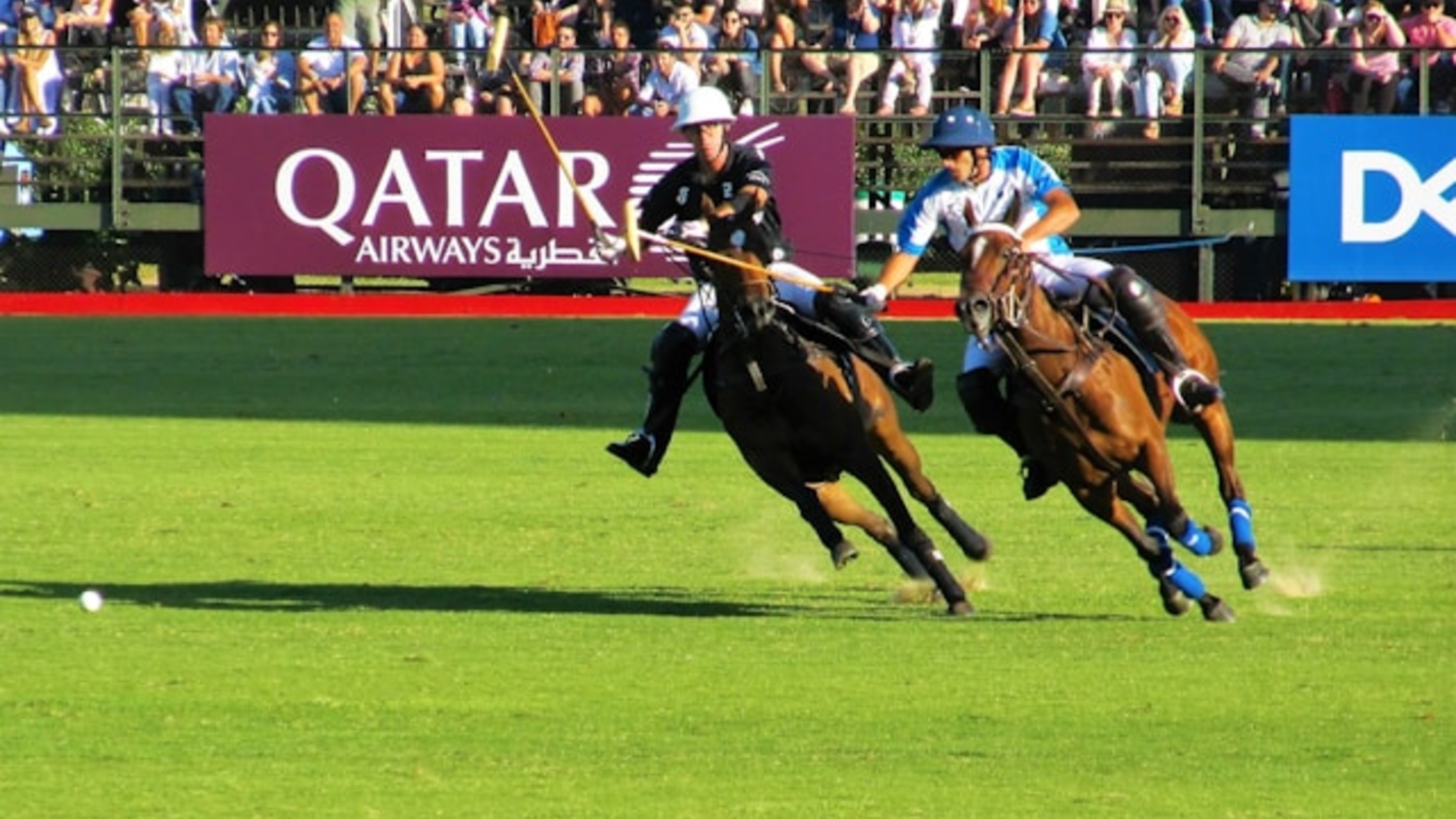
Polo is a fast-paced sport that combines horsemanship, strategy and skill. For newcomers, however, understanding the action can be difficult because players move quickly and many of the rules are not obvious. In this guide to polo rules explained, you'll learn how the game works, from chukkas and scoring to the right of way and common fouls.
How Many Players Are in a Polo Game?
Polo is played by two teams of four riders, each player taking in a specific role. Numbers 1 and 2 are the team's attacking players. Number 3 is usually the team's key strategist and strongest hitter, while Number 4 plays primarily in defense. However, these roles can be changed during the actual game, if it helps the team.
Two mounted umpires oversee the action and make decisions during the game. If they disagree on a decision, a referee can be consulted to settle the matter.
What Are Polo Chukkas and How They Work?
A polo match is divided into periods called chukkas, each lasting up to seven and a half minutes. Most matches have four to six chukkas, depending on the competition.
There is a short break between chukkas, giving players time to change horses and rest. Because polo is physically, players change their horses with rested ones after each chukka, to maintain their advantage. Elite riders can ride up to 8 horses in a single match.
At halftime, spectators are traditionally invited onto the field to replace the divots made by the horses' hooves.
A bell sounds after seven minutes to signal the end of a chukka. If the ball remains in play, the chukka continues until play stops or a second bell sounds 30 seconds later.
How Does Polo Scoring Work?
Polo scoring is straightforward: a team scores a goal when the ball passes completely between the goalposts. The team with the most goals at the end of the match wins.
After every goal, the teams change ends before play restarts. This helps balance any advantage caused by the condition of the field, wind or other factors.
What Is the Right of Way in Polo?
One of the most important polo rules is the right of way. It determines which player has priority when two or more players compete for the ball and helps prevent dangerous collisions.
When a player hits the ball, an imaginary line is drawn along its path. Known as the line of the ball, it helps establish the direction of play. A player riding along this line generally has priority, while opponents must not cross it in a way that creates danger or interferes with the player who has the right of way.
Which Moves Are Legal in Polo?
Some actions that look aggressive to newcomers are actually legal parts of the game, such as riding off and hooking.
Riding off involves using your horse to push an opponent and their pony away from the ball. It is allowed when performed safely and at an appropriate angle.
Hooking involves using your mallet to prevent an opponent from hitting the ball. It is permitted when performed from a legal position and without endangering the horse or rider.
What Are the Main Polo Fouls?
Riding off and hooking can become polo fouls when performed dangerously or illegally. Other common fouls include crossing the line of the ball in a dangerous way or interfering with a player who has the right of way.
When an umpire sees a foul, they blow the whistle and stop play. The opposing team is usually awarded a penalty hit. The type of penalty depends on the nature and location of the foul and can range from a free hit from a set position to a direct shot at goal.
Understanding these basic polo rules makes the game much easier to follow. Once you know what to watch for, the fast-moving action becomes less chaotic and much more enjoyable to watch.

Women in Polo: How Female Players Are Changing the Sport

Beyond the Horse: What Makes a Great Polo Player?

What Is a Polo Handicap? How Player Ratings Work

What Do Football Scouts Look For in Young Players?

The Ethics of Polo Horse Cloning: How Cloned Horses Could Change the Game

Top 3 Most Overrated Premier League Players in 2026
Why Lower-League Football Deserves More Attention Than It Gets
Why Are So Many Spanish Football Clubs Called "Real"?
Manchester United's Weaknesses Have Just Been Exposed By Hull

How Do Football Trials Work? What Young Players Should Expect


