




 0
0Why Are So Many Spanish Football Clubs Called "Real"?
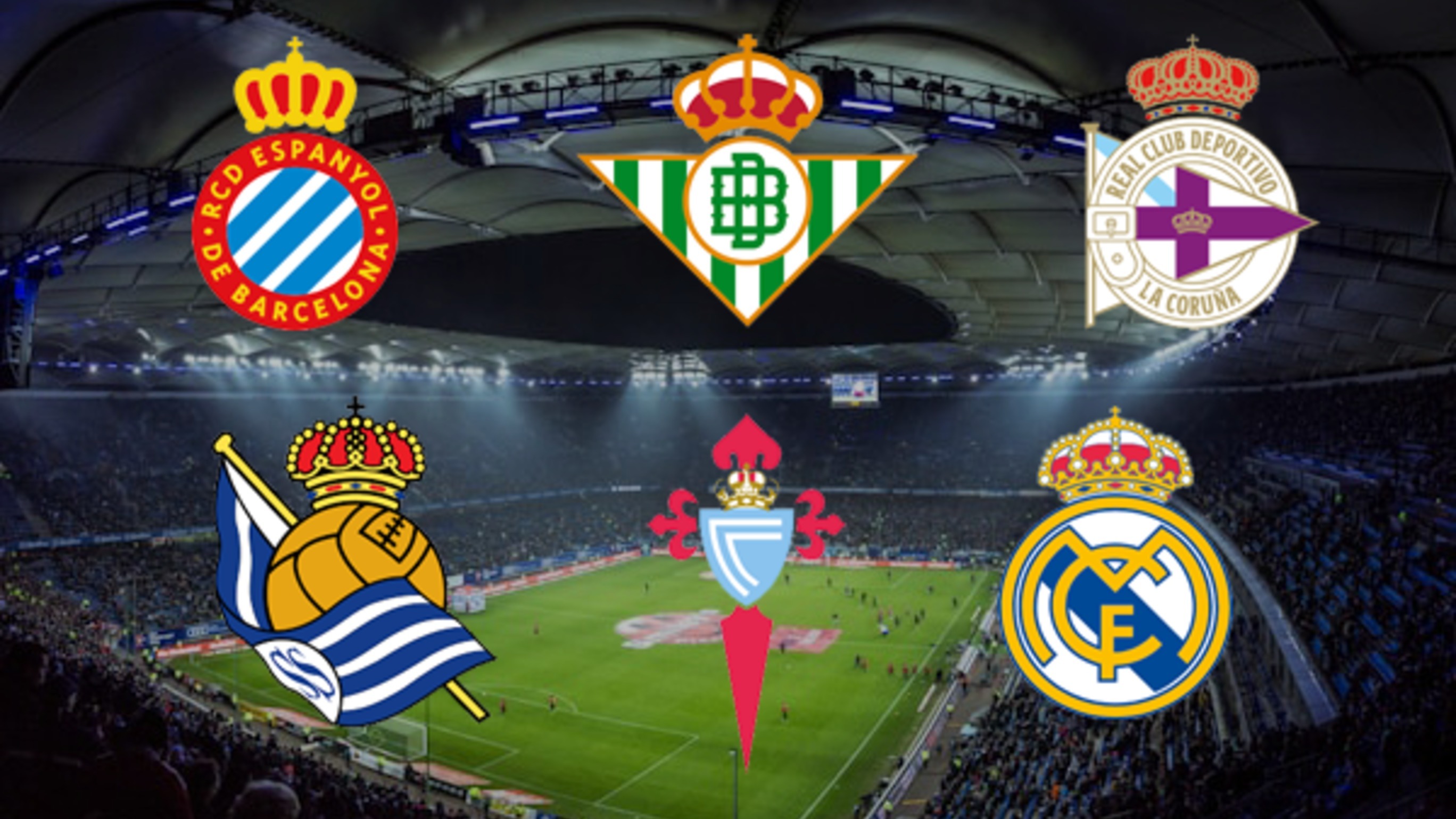
Real Madrid. Real Sociedad. Real Betis. Real Celta.
Ever wondered why so many Spanish football clubs have “Real” in their name? It isn't a coincidence—and it certainly isn't a reward for winning trophies.
In Spanish, real means “royal.” The title has its roots in the early 20th century, when football was rapidly growing in popularity and Spain's monarchy began forming closer links with the sport. One king, in particular, played a major role in creating this unusual football tradition.
A Royal History
At the centre of the story is King Alfonso XIII, who was a keen supporter of sport as football began taking Spain by storm. In 1909, Deportivo La Coruña became the first Spanish football club to receive the title “Real” from the king. Alfonso XIII also accepted the club's honorary presidency, linking the monarch directly with the newly emerging football institution.
The idea caught on. Real Sociedad received the title in 1910, Espanyol in 1912, while Betis and Celta Vigo followed in 1914. When Madrid Football Club received the royal designation in 1920, it became Real Madrid.
The title was more than a word added to a club's name. It represented royal patronage and allowed clubs to adopt royal symbolism, most famously the crown that appeared on their crests. And there was an important catch: being granted “Real” had nothing to do with how good a team was on the pitch.
“Real” Didn’t Mean Successful
Here’s the part that might surprise football fans: “Real” was never a badge of sporting greatness. A club didn't have to win trophies, dominate its league or produce world-class players to receive the royal title.
Real Madrid is the perfect example. When Alfonso XIII granted Madrid Football Club the title in 1920, the club was nowhere near the European superpower we know today. It didn't win its first La Liga title until 1932.
Its transformation into a football giant came much later. In the 1950s, Real Madrid became the dominant force in European football, winning the first five European Cups in succession. By then, the word “Real” had become synonymous with one of the biggest clubs in the world—but that success came long after the crown was added to the name.
And Real Madrid wasn't the only club to carry the royal title without being an elite powerhouse. The tradition also reached clubs outside Spain's modern football spotlight. In other words, “Real” meant royal—not successful.
A Royal Name With a Footballing Legacy
So, the next time you see Real Madrid, Real Sociedad or Real Betis walk onto the pitch, you'll know that “Real” isn't a ranking, a trophy or a claim to footballing greatness.
It is a piece of Spanish history.
The title began as a connection between football clubs and the monarchy, with Alfonso XIII granting royal status to several clubs during his reign. Some went on to become giants of the game; others remained far less famous.
That is what makes the name so interesting. Real Madrid didn't become “Real” because it was already Real Madrid. It became Real first—and built its legendary football history afterwards.

Women in Polo: How Female Players Are Changing the Sport

Beyond the Horse: What Makes a Great Polo Player?

What Is a Polo Handicap? How Player Ratings Work

What Do Football Scouts Look For in Young Players?
Polo Rules Explained: How the Game Works, From Chukkas to Fouls

The Ethics of Polo Horse Cloning: How Cloned Horses Could Change the Game

Top 3 Most Overrated Premier League Players in 2026

Why Lower-League Football Deserves More Attention Than It Gets
Manchester United's Weaknesses Have Just Been Exposed By Hull

How Do Football Trials Work? What Young Players Should Expect


