




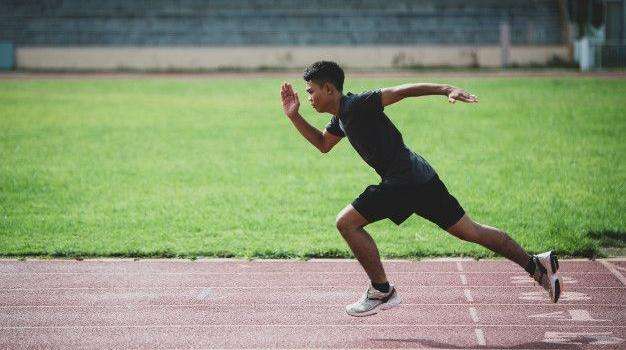
 0
0The Last Race: What Happens When an Athlete Knows It’s Time to Stop?
There is a moment in every athlete’s career that eventually arrives.
The crowd may not know it is coming. The cameras may still be recording. The competition may look exactly the same as it did a year earlier.
But the athlete knows.
This might be the last time.
Retirement is one of the most difficult parts of sports because athletes spend years building their lives around competition. Training becomes a routine. Winning becomes a goal. Losing becomes something to learn from. Early mornings, injuries, travel and sacrifices become normal.
Then, one day, the question appears:
“What happens when I stop?”
For some athletes, retirement is planned carefully. They choose a final competition, prepare their families and supporters, and leave the sport on their own terms.
For others, the decision arrives suddenly.
An injury can force an athlete to stop before they are ready. A loss of form can make it difficult to compete at the level they expect from themselves. Age can also become a factor, particularly in sports where speed, strength or reaction time are essential.
And sometimes, the hardest reason is simply knowing that the body cannot keep doing what the mind still wants.
That can be painful.
Imagine spending most of your life training for something, only to realize that your body needs rest more than another competition.
Athletes often talk about the physical demands of sport, but retirement can also create an emotional challenge.
For years, an athlete may introduce themselves through their sport.
“I am a runner.”
“I am a swimmer.”
“I am a boxer.”
“I am a gymnast.”
When competition ends, that identity can suddenly feel uncertain.
What comes next?
This is one reason preparation for life after sport is so important.
Education, business, coaching, media work and other careers can provide athletes with opportunities after competition. Some former athletes remain involved in their sports as coaches or mentors, while others completely change direction.
There is no single correct way to retire.
Some athletes want to remain close to the sport they love. Others need distance from it before deciding what comes next.
The most difficult retirements are often the ones nobody planned.
An athlete may suffer a serious injury and suddenly lose the career they had imagined. There may be no final race, no perfect farewell and no opportunity to say goodbye to the fans.
One day they are competing.
The next day they are watching from the sidelines.
That reality is easy for fans to forget.
We celebrate athletes when they win medals and trophies, but we rarely think about what happens when the applause becomes quieter.
This is why athletes deserve respect beyond their results.
A competitor's value should not disappear simply because they are no longer winning.
Their years of discipline, sacrifice and dedication still mean something.
And perhaps retirement should not always be viewed as the end.
Sometimes it is the beginning of another chapter.
The athlete who once competed may become the coach who develops the next generation. The runner who once chased records may become a mentor. The former champion may use their experience to help young people avoid the mistakes they once made.
The uniform may be put away.
The medals may gather dust.
The stadium may eventually forget the sound of their name.
But the lessons learned through sport can remain for the rest of their life.
So when you watch an athlete compete for what may be the final time, remember that you are seeing more than a race or a match.
You may be watching the end of a journey that began many years earlier.
And somewhere behind the excitement of the crowd, there may be one quiet thought running through the athlete's mind:
“If this really is my last time, I want to remember that I gave everything I had.”
Why Young Footballers Need More Than Talent to Succeed

Women’s Sports Are Changing: Why More Fans Are Finally Paying Attention
When the Final Whistle Blows, What Happens to the Player?
What Happens When a Young Athlete Suddenly Becomes a Superstar?
The Day a Footballer Becomes the Villain
The Strange World of Sports: 7 Rules You Probably Didn’t Know Existed
When Talent Meets Money: Is Sport Becoming Too Expensive for Young People?
The Business of Sports: How a Game Became a Billion-Dollar Industry
What Makes a Great Sprinter? The Skills Behind Speed

The Game Is Changing: Will Technology Eventually Know What Happens Next?


