




 0
0The Day a Footballer Becomes the Villain
One moment, the crowd is singing your name.
The next, they are booing you.
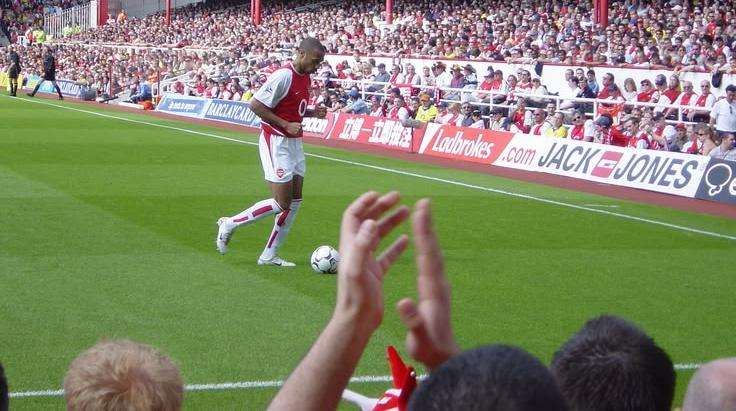
That is the strange reality of football. A player can go from hero to villain in the space of 90 minutes, sometimes because of a single mistake.
Football supporters are passionate. They invest their emotions, time and money into their clubs. When their team wins, players can become heroes overnight. But when things go wrong, that same admiration can quickly turn into anger.
For a footballer, few experiences are more difficult than hearing thousands of supporters turn against them.
One mistake can change everything
Imagine a player having a brilliant game for 89 minutes.
He has completed his passes, won tackles, created chances and helped his team control the match. Then, in the final minute, he makes one mistake.
Perhaps he loses possession.
Perhaps he misses a penalty.
Perhaps he fails to mark an opponent.
The other team scores.
Suddenly, everything that happened before that moment seems forgotten.
The player who had been praised throughout the match is now being blamed for the defeat.
That is one of football's harshest realities: sometimes, one moment can become bigger than everything else.
Fans don't always see the full story
From the stands or television screen, football can look simple.
A player missed a chance. A defender made an error. A goalkeeper conceded a goal.
But professional football is rarely that simple.
Players are making decisions in seconds while dealing with pressure from opponents, teammates, coaches and thousands of supporters. Fatigue can affect concentration. Injuries can limit movement. A tactical mistake by the entire team can sometimes be blamed on one individual.
Yet football needs someone to blame.
And that person is often the player closest to the mistake.
Social media makes things worse
Years ago, a footballer could leave the stadium after a poor performance and eventually escape the criticism.
Today, that is almost impossible.
Within minutes, clips of mistakes can spread across social media. Fans debate the player's performance, television shows analyze the incident and strangers leave comments from all over the world.
Some criticism is fair.
Some is not.
The problem begins when criticism becomes personal abuse.
Footballers are professionals, but they are still human beings. Constant insults can affect confidence, especially when the player already knows they have made a costly mistake.
The pressure can become even greater for young players who are still developing both physically and mentally.
Redemption is what separates great players
But there is another side to the story.
Some players have experienced the worst possible criticism and still returned stronger.
A missed penalty does not have to define an entire career. A bad season does not automatically mean a player is finished. Even a costly mistake in a major match can eventually become part of a player's journey rather than the end of it.
The greatest response to criticism is often what happens in the next game.
A player who makes a mistake has two choices.
They can allow fear to control them.
Or they can ask for the ball again.
That second option is incredibly difficult.
Imagine making a mistake in front of 50,000 people and then having the courage to demand possession again five minutes later.
That is not weakness.
That is character.
Football needs heroes, but it also needs forgiveness
Fans should be allowed to be disappointed. They should be allowed to criticize poor performances and demand better from their teams.
But football also needs perspective.
The same player being booed today could be the player scoring the winning goal next week.
Football changes quickly.
A villain can become a hero just as quickly as a hero can become a villain.
That is why players must learn not to live permanently in either moment.
The applause will not last forever.
Neither will the criticism.
The next match is always waiting
When a footballer makes a mistake, the easiest thing to do is hide.
The harder thing is to return.
Walk back into the stadium.
Hear the crowd.
Take your position.
And play again.
Because football does not give players the luxury of staying in yesterday's mistake forever.
There is always another match.
Another opportunity.
Another chance to prove that one bad moment does not define who you are.
And sometimes, the player who leaves the pitch as a villain is the same player who returns a week later as the hero.

Why Young Footballers Need More Than Talent to Succeed

Women’s Sports Are Changing: Why More Fans Are Finally Paying Attention

When the Final Whistle Blows, What Happens to the Player?
What Happens When a Young Athlete Suddenly Becomes a Superstar?

The Last Race: What Happens When an Athlete Knows It’s Time to Stop?
The Strange World of Sports: 7 Rules You Probably Didn’t Know Existed

When Talent Meets Money: Is Sport Becoming Too Expensive for Young People?

The Business of Sports: How a Game Became a Billion-Dollar Industry
What Makes a Great Sprinter? The Skills Behind Speed

The Game Is Changing: Will Technology Eventually Know What Happens Next?


