




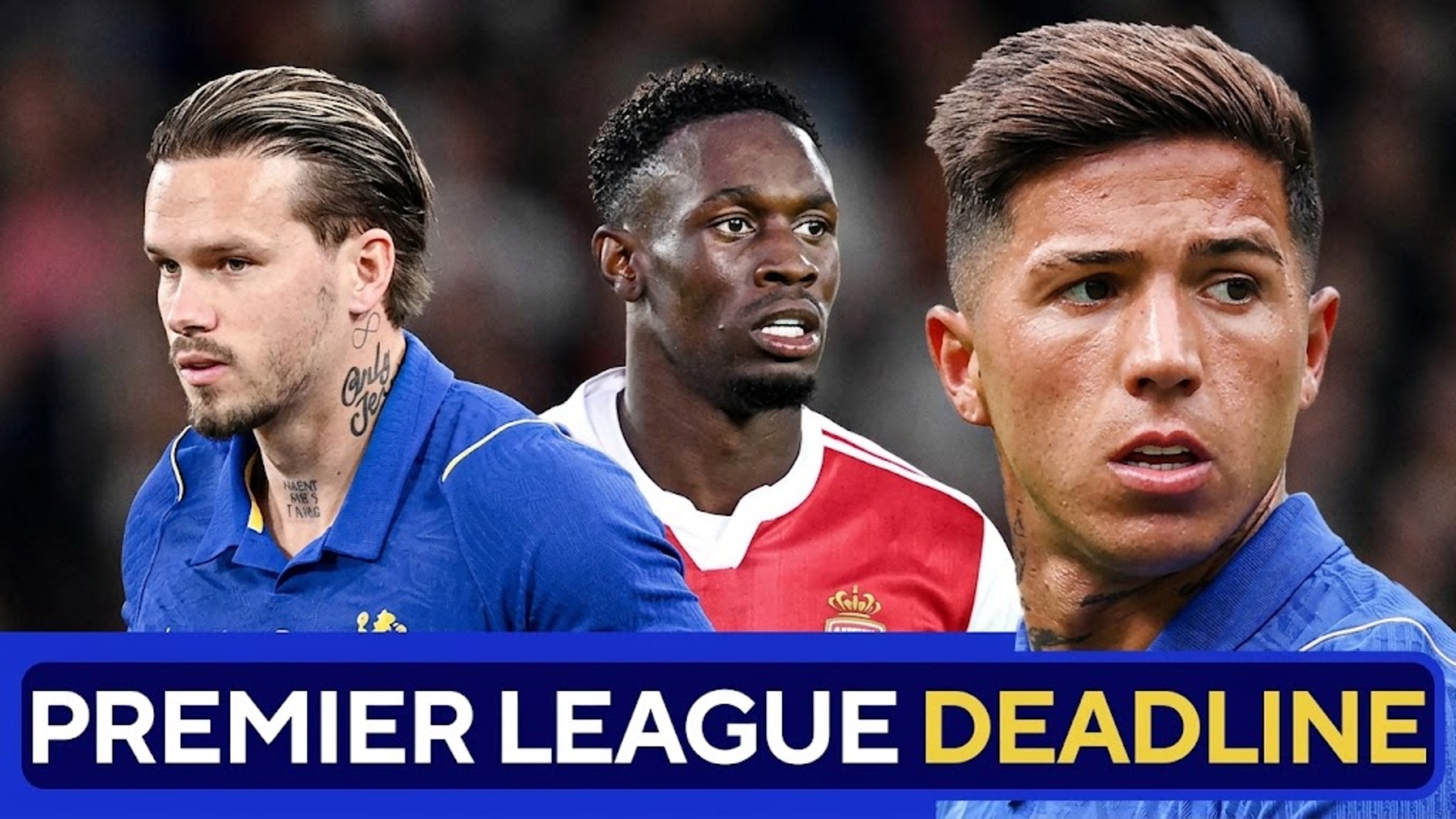
 0

Transfer Deadline Day Is Over. What Happens to the Players Who Could Not Find a Club?
Paul Pogba won a World Cup. Jadon Sancho moved to Manchester United for £73 million. Riyad Mahrez won five Premier League titles. All three are unemployed footballers today.
The transfer window closed at 11 pm on September 1, and a genuinely long list of recognizable names, from World Cup winners to Champions League regulars, didn't find a club before it shut.
Why proven pedigree doesn't guarantee a landing spot
Every one of these players has real, documented top-level quality on their résumé. What they don't have, in most cases, is recent, consistent form at that level. Clubs are increasingly reluctant to commit significant wages to a player whose last two or three seasons have been defined by injuries, loan spells that didn't work out, or a public fall from favor, regardless of what that player accomplished five years earlier.
That's a real shift in how recruitment departments evaluate risk. Reputation alone used to carry real weight in negotiations. Recent output now carries far more.
Why the window closing isn't actually the end of the story
A player without a club on September 2 isn't necessarily out of options. Genuine free agents, players whose contracts had already expired before the window closed, can still be signed at any point during the season, since there's no fee involved and no registration deadline tied to a transfer. That's a meaningfully different situation than a contracted player a club failed to sell in time.
Clubs monitoring injuries or squad gaps throughout the season often circle back to exactly this list once a specific need arises in October or November, when a marquee free agent can look considerably more appealing than he did in late August.
Why some of these situations are more complicated than others
Not every name on this list is simply out of form. Some, like Sancho, have been caught in genuinely difficult circumstances: multiple loan spells away from a parent club that no longer wants them, without a permanent transfer materializing at a fee either side finds acceptable. Others left clubs abroad under complicated personal circumstances that go well beyond football form.
That range matters. Some of these players will likely find clubs within weeks. Others may be genuinely approaching the end of their professional careers without ever formally announcing it.
What this reveals about the modern transfer market
The existence of a list this long, filled with players who've won major trophies, says something real about how quickly a career's market value can shift once form dips or a specific situation turns messy. A World Cup winner going unsigned on deadline day would have been almost unthinkable a decade ago. It's now a genuine, recurring feature of every transfer window.
That's the less-discussed flip side of football's spending boom: while record fees dominate the headlines, a growing list of proven, decorated players are increasingly finding themselves priced out of a market that's become far more selective about paying for reputation alone.
Several players with genuine trophy cabinets are sitting without a club right now, waiting for a phone call that record-breaking transfer fees elsewhere have made less likely to come. Does that gap between the market's superstar spending and its treatment of proven veterans say something concerning about football's priorities, or is it simply a rational market correctly pricing recent form over past achievement?

Peres Jepchirchir Won Sydney Easily. What Makes Some Marathoners Better at Managing the Final 10K?
England vs Argentina: Why This Rivalry Never Gets Old

Kipchoge's Asterisk Is Getting Old

Why Football's Transfer Window Always Turns Into a Last-Minute Auction

How Thailand Finally Reached the Olympics, and What Its Volleyball System Can Teach Other Nations

Why September Could Be One of Sport's Most Important Months of 2026

Arsenal Have Started the Title Defence Perfectly. Is Their Biggest Advantage Now Squad Depth?
The Clippers Lost Five First-Round Picks. What Happens When an NBA Team Breaks the Salary-Cap Rules?

Why Cricket's Impact Player Rule Has Become a Bigger Debate Than the Matches It Changes

Papua New Guinea Is Building a Rugby League Team From Scratch. Could It Change the Sport's Map?


