




 0
0Papua New Guinea Is Building a Rugby League Team From Scratch. Could It Change the Sport's Map?
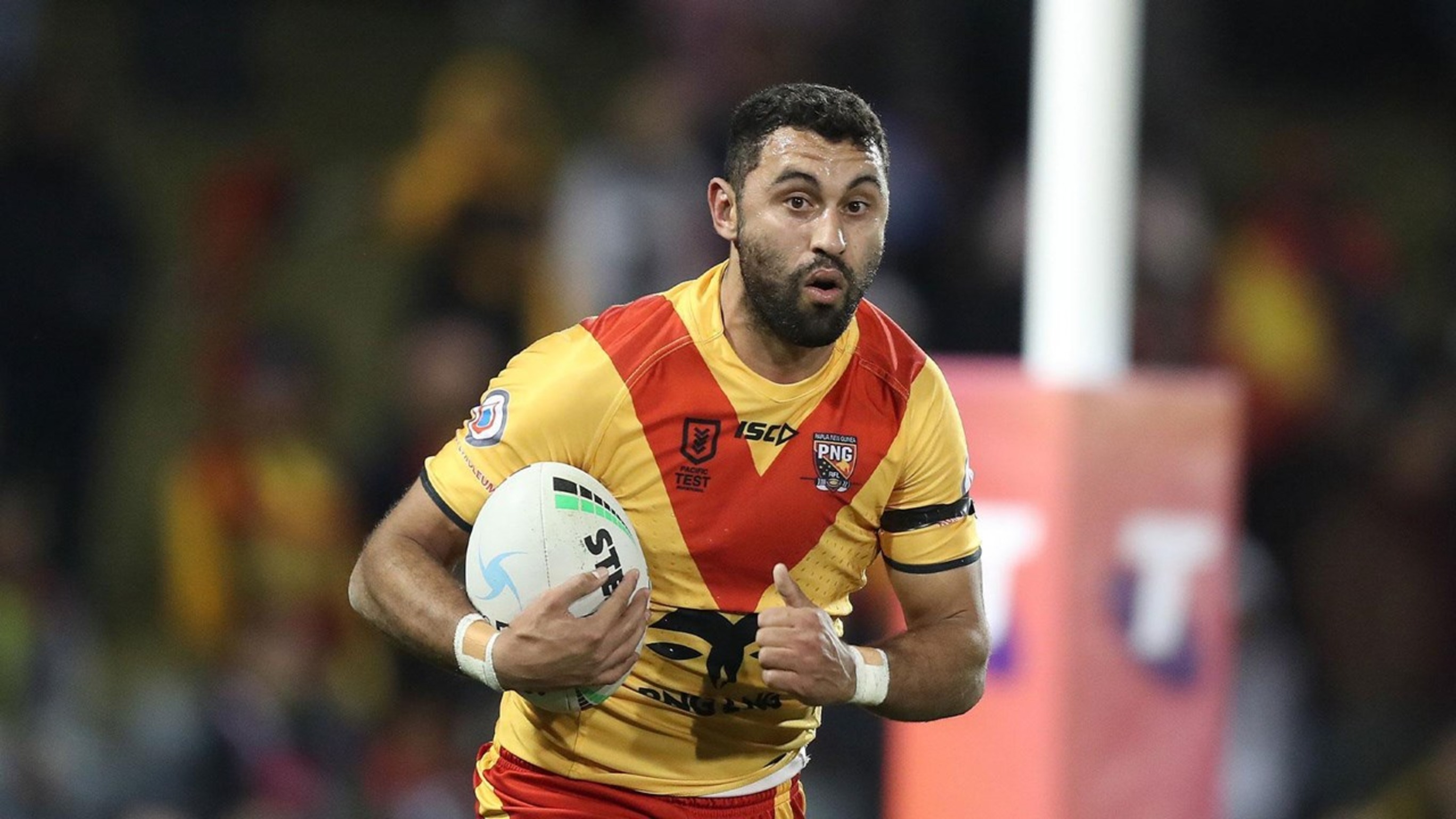
Papua New Guinea has one of the most passionate rugby league fanbases anywhere on earth, a country of more than 10 million people where the national team's Test matches routinely sell out. Until now, none of that passion translated into a professional NRL team of its own.
That changes in 2028, when the Papua New Guinea Chiefs are scheduled to become the league's newest franchise, backed by roughly $600 million in Australian government investment over a decade.
Why this expansion looks different from a typical new franchise
Most professional sports expansion teams are built around an existing metropolitan market with money to spend and no prior connection to the sport. PNG is close to the opposite: a country with deep, existing rugby league passion but without the domestic professional infrastructure to turn that passion into an NRL-caliber team on its own.
That's why the buildup looks less like a normal franchise launch and more like genuine nation-building. A $150 million "NRL Village" is being constructed in Port Moresby to house players, staff and their families in a secure, purpose-built compound, alongside a new high-performance training center.
Why the NRL is investing this heavily in one new team
The league gains access to an established talent pool and passionate fanbase that's been producing NRL-caliber players for years without a true home franchise to develop them locally. Beyond the sport itself, Australia's government has been explicit that the investment carries real diplomatic weight too, part of strengthening ties with a strategically important Pacific neighbor.
Prime Minister Anthony Albanese called it "a game-changer" for the countries' relationship when the deal was finalized, a rare instance of a sports franchise being treated as genuine geopolitical infrastructure rather than simply a commercial expansion.
What building a team truly from the ground up actually requires
Existing NRL expansion teams typically draft or sign proven talent immediately. PNG's approach is deliberately different: prioritizing players born in the country or with PNG heritage, alongside a genuine domestic development pathway, rather than assembling a roster purely from established stars elsewhere. That's a slower, harder path to competitiveness, but it's built to create a team the country can genuinely claim as its own.
Head coach Willie Peters and a board that includes respected former international Marcus Bai are already in place years before the team's first match, reflecting how much lead time this kind of ground-up build actually requires.
Why this could reshape rugby league's broader footprint
If PNG succeeds, it becomes a genuine template for expanding professional rugby league into markets with real grassroots passion but no prior top-tier infrastructure, rather than only expanding into cities that already have disposable sports spending. That's a meaningfully different growth model than the sport has typically pursued.
Whether it works depends entirely on execution over the next two years, and on whether a team built this deliberately from the ground up can actually compete once it steps onto an NRL field.
Papua New Guinea is getting a professional team built specifically around its own domestic talent rather than imported stars. Is that patient, ground-up approach the right way to expand a sport into a genuinely passionate new market, or does building a competitive roster this way risk leaving the team overmatched in its opening seasons?3491
Peres Jepchirchir Won Sydney Easily. What Makes Some Marathoners Better at Managing the Final 10K?
England vs Argentina: Why This Rivalry Never Gets Old

Why Football's Transfer Window Always Turns Into a Last-Minute Auction
How Thailand Finally Reached the Olympics, and What Its Volleyball System Can Teach Other Nations

Why September Could Be One of Sport's Most Important Months of 2026
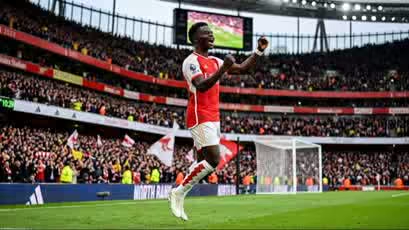
Arsenal Have Started the Title Defence Perfectly. Is Their Biggest Advantage Now Squad Depth?
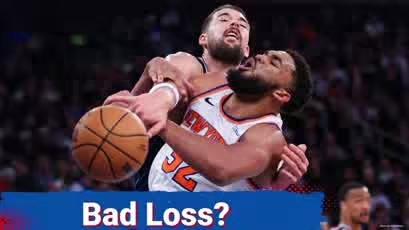
The Clippers Lost Five First-Round Picks. What Happens When an NBA Team Breaks the Salary-Cap Rules?
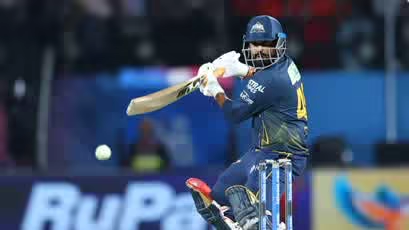
Why Cricket's Impact Player Rule Has Become a Bigger Debate Than the Matches It Changes
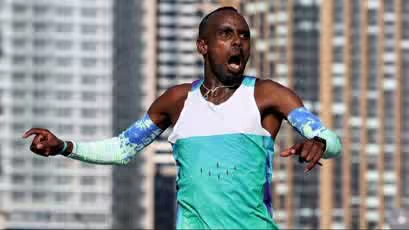
Addisu Gobena Just Broke Sydney's Marathon Record. Why Are Marathon Times Falling So Quickly?
Rain Is Reshaping the US Open. How Much Does Weather Really Change Elite Tennis?


