




 0
0Why Cricket's Impact Player Rule Has Become a Bigger Debate Than the Matches It Changes
Every one of the ten IPL franchises had until today, August 31, to hand the BCCI their verdict on a rule that's quietly changed what kind of cricketer gets picked in the world's richest league.
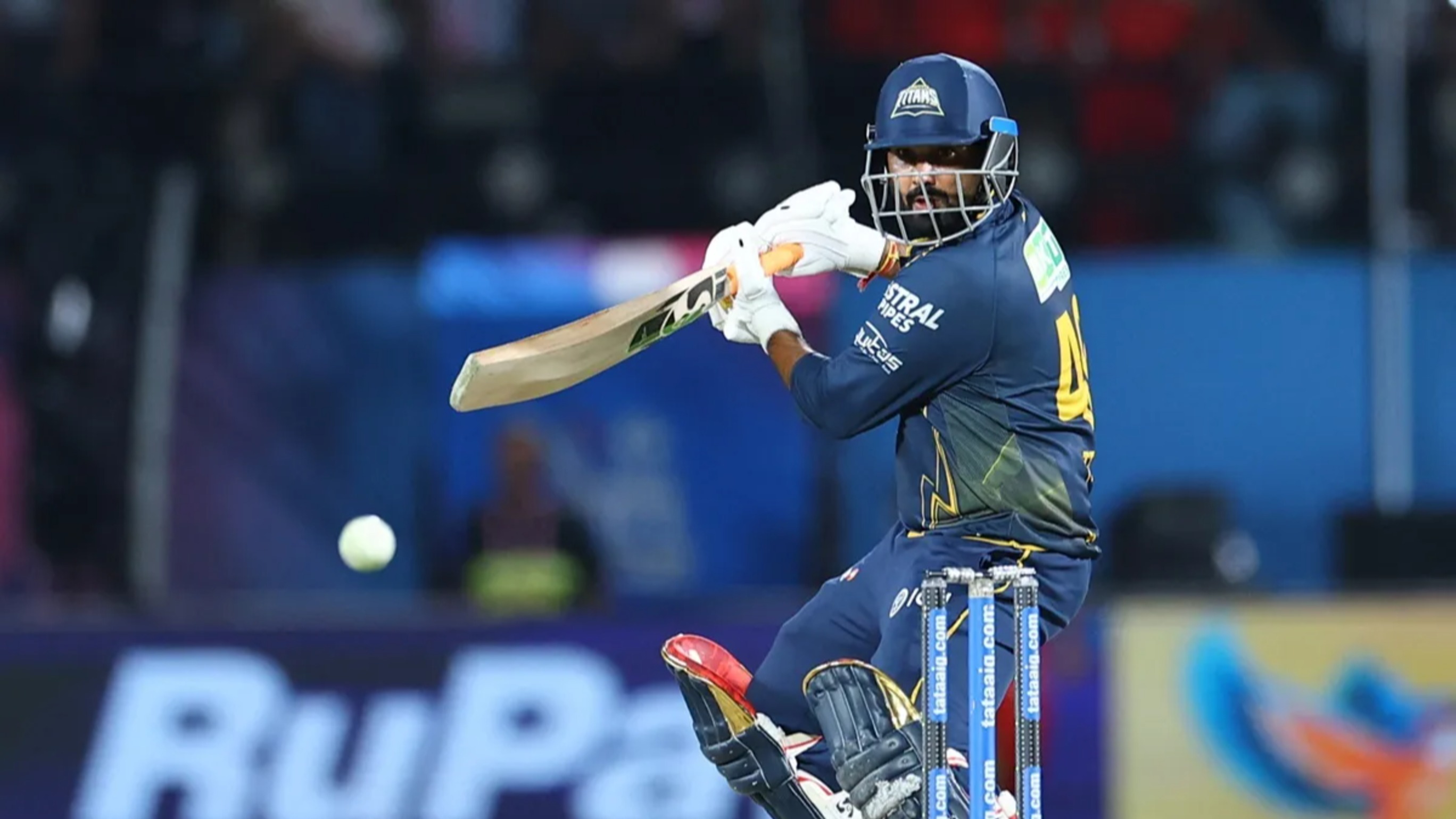
The rule in question lets a team make one tactical substitution mid-match, swapping in a specialist batter or bowler depending on how the game's going. It sounds small on paper. It hasn't behaved like something small in practice, and the numbers from two full seasons now make that impossible to ignore.
What the rule actually lets teams do
Before 2023, a captain who won the toss and wanted a batting-heavy XI had to live with that decision for the whole match, bowling included. The Impact Player rule removes that trade-off entirely, giving captains a safety net that didn't exist before.
Pick your best batting lineup, then bring on a fresh specialist bowler later, or reverse the strategy and start with extra bowling depth before adding a power-hitter. Teams effectively get access to twelve players' worth of specialization inside an eleven-player match, which changes every calculation about squad composition.
How it rewrote what a good cricketer looks like
The rule was introduced partly to get more uncapped Indian players real game time, and on that specific goal it's worked, with several emerging names getting opportunities they would never have seen otherwise. What it's also done is quietly punish the all-rounder, the player who can bowl four overs and bat at six, because a team no longer needs one player to do both jobs when it can field two specialists instead.
Totals over 250 became a regular sight through the 2026 season instead of a rare event, turning what was once a landmark score into almost routine fare. The complaints from bowlers about the rule tilting the format further toward bat only got louder as the season went on, with several senior pacemen voicing their frustration publicly.
The case the BCCI keeps making for keeping it
BCCI secretary Devajit Saikia has defended the rule publicly, pointing out that bowlers are still taking wickets even as scores climb. "Some low-scoring matches are also there," he said. "All the fans are enjoying the matches. The bowlers are getting good wickets as well. Everything is happening, it is a full bouquet in one package."
That's not a small thing to say about a format built for entertainment first, and the governing body has consistently prioritized viewer engagement over nostalgic purity. If crowds and broadcasters are happy, the pressure to change anything drops fast, regardless of what it's doing to team composition underneath the surface.
What this fight is really about
Strip away the specific rule and this is a much older argument in cricket: what happens when a format-specific tweak, built to make the product more watchable, ends up reshaping which skills are worth developing in the first place across an entire generation of young players.
A kid choosing between working on his bowling or his batting is watching this debate too, whether he knows it or not, because the answer changes what kind of career the IPL rewards and what coaches at the grassroots level start prioritizing.
The BCCI now has feedback from all ten franchises in hand. Nobody's saying the rule is definitely going, and nobody's saying it's staying untouched either, so the coming weeks will likely determine the direction of the next IPL cycle.
But if a rule built to make matches more entertaining is also slowly making an entire category of cricketer obsolete, should that trade-off be an easy call, or is IPL cricket about to find out it isn't?

Peres Jepchirchir Won Sydney Easily. What Makes Some Marathoners Better at Managing the Final 10K?

England vs Argentina: Why This Rivalry Never Gets Old

Why Football's Transfer Window Always Turns Into a Last-Minute Auction

How Thailand Finally Reached the Olympics, and What Its Volleyball System Can Teach Other Nations

Why September Could Be One of Sport's Most Important Months of 2026

Arsenal Have Started the Title Defence Perfectly. Is Their Biggest Advantage Now Squad Depth?

The Clippers Lost Five First-Round Picks. What Happens When an NBA Team Breaks the Salary-Cap Rules?

Papua New Guinea Is Building a Rugby League Team From Scratch. Could It Change the Sport's Map?

Addisu Gobena Just Broke Sydney's Marathon Record. Why Are Marathon Times Falling So Quickly?

Rain Is Reshaping the US Open. How Much Does Weather Really Change Elite Tennis?


