




 0
0Why Football's Transfer Window Always Turns Into a Last-Minute Auction
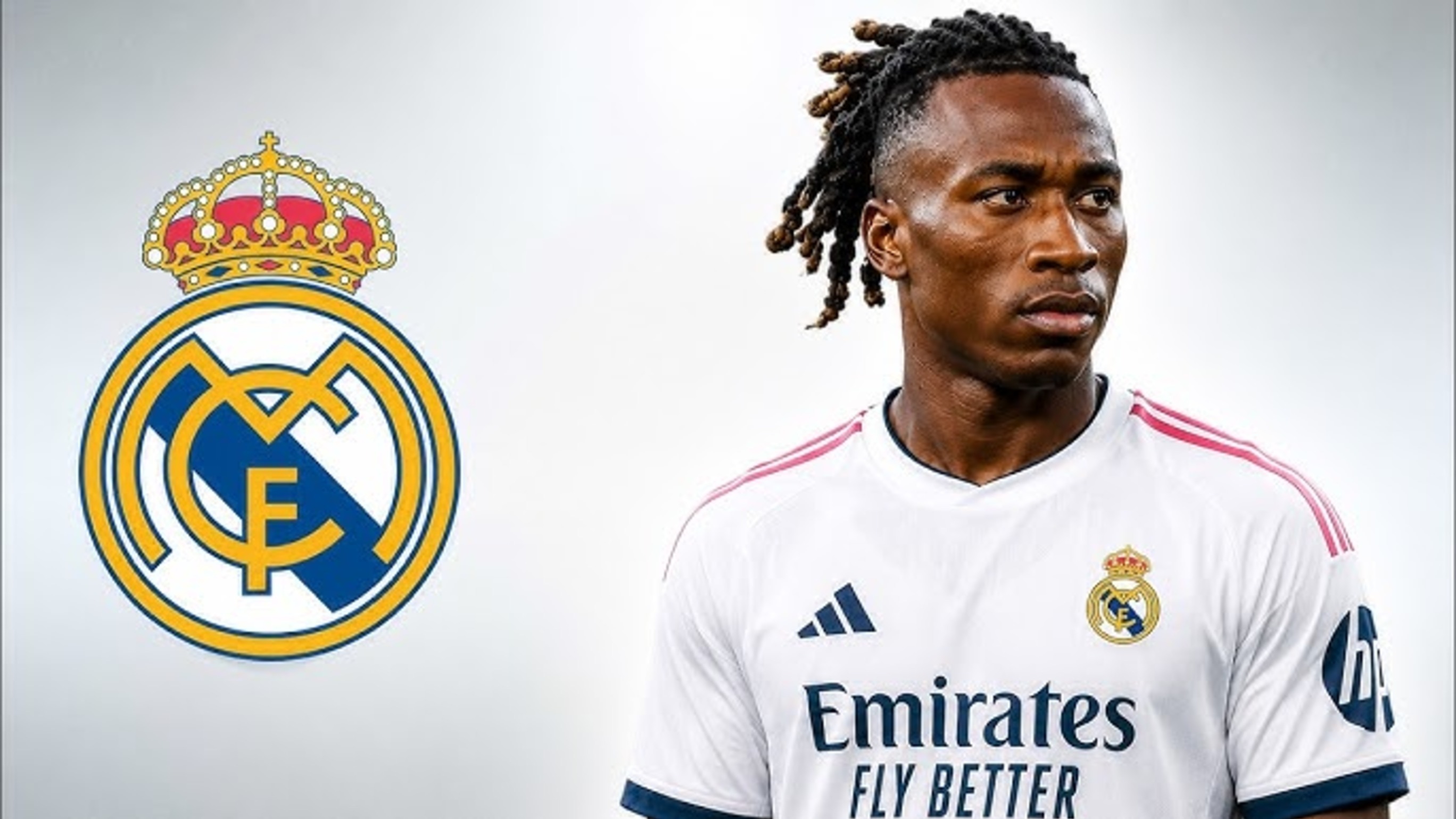
Real Madrid signed a 19-year-old for £107 million and it barely qualified as the biggest story of the week. That's how loaded this year's deadline day frenzy has been.
Every summer, the same pattern repeats. Weeks of slow, cautious business, followed by a final 48 hours where fees spike, deals collapse and reappear, and clubs suddenly find money they swore they didn't have.
Why the window doesn't move at a steady pace
Clubs spend most of the summer negotiating from a position of leverage they don't actually want to give up. Buying clubs wait to see if a target's price drops. Selling clubs wait to see if a better offer materializes. Nobody wants to blink first, so the market sits mostly still.
Deadline day removes that leverage entirely. Once the clock is closing, a selling club with an unsold player has one option left: take what's on the table or keep a player nobody else wanted enough to meet their price. The exact same logic runs in reverse for a buying club still chasing one final signing before the window shuts for months.
This year's window had an extra complication
A FIFA World Cup landed in the middle of the 2026 window, and it reshaped the entire calendar. Clubs froze major decisions to see who rose to the occasion on the sport's biggest stage, which meant far more business than usual got pushed into the closing weeks once tournament form had actually been assessed.
That's part of why this deadline day felt so loaded. Normal market patience got compressed into an even smaller window than usual, with clubs trying to complete a full summer's worth of business in barely a month once the tournament ended.
The psychology that makes deadline day chaotic
Buying clubs know a rival might swoop in at the eleventh hour if they hesitate. Selling clubs know their leverage evaporates the moment the window shuts. Both sides are operating under genuine time pressure for the first time all summer, and that pressure is exactly what pushes fees higher rather than lower.
It's a strange market inefficiency. In most industries, urgency favors the seller less, not more. In football, a deadline that should theoretically create desperate sellers often creates desperate buyers instead, because missing a target entirely costs a manager an entire season of squad planning, and no manager wants to explain to fans in October why a deal fell through in the final hour of August.
Why clubs never seem to learn the lesson
Every summer, pundits point out that early business is calmer and cheaper. Every summer, deadline day still produces headline fees anyway. The reason is structural, not a failure of planning: clubs are managing dozens of overlapping negotiations simultaneously, and something always has to wait until the pressure of a closing window forces a final decision.
Deadline day isn't a bug in how the transfer market works. It's the release valve for every piece of unfinished business the rest of the summer couldn't resolve calmly.
Every window ends the same way, with clubs paying a premium for the certainty that a deal actually gets done before the clock runs out. If everyone already knows that's how it goes, why does the calm-early, chaotic-late pattern never actually change?

Peres Jepchirchir Won Sydney Easily. What Makes Some Marathoners Better at Managing the Final 10K?
England vs Argentina: Why This Rivalry Never Gets Old

How Thailand Finally Reached the Olympics, and What Its Volleyball System Can Teach Other Nations

Why September Could Be One of Sport's Most Important Months of 2026
Arsenal Have Started the Title Defence Perfectly. Is Their Biggest Advantage Now Squad Depth?

The Clippers Lost Five First-Round Picks. What Happens When an NBA Team Breaks the Salary-Cap Rules?

Why Cricket's Impact Player Rule Has Become a Bigger Debate Than the Matches It Changes

Papua New Guinea Is Building a Rugby League Team From Scratch. Could It Change the Sport's Map?

Addisu Gobena Just Broke Sydney's Marathon Record. Why Are Marathon Times Falling So Quickly?

Rain Is Reshaping the US Open. How Much Does Weather Really Change Elite Tennis?


