



 0

Maro Itoje Took a Break From England. Could Rest Become the Future of International Rugby?
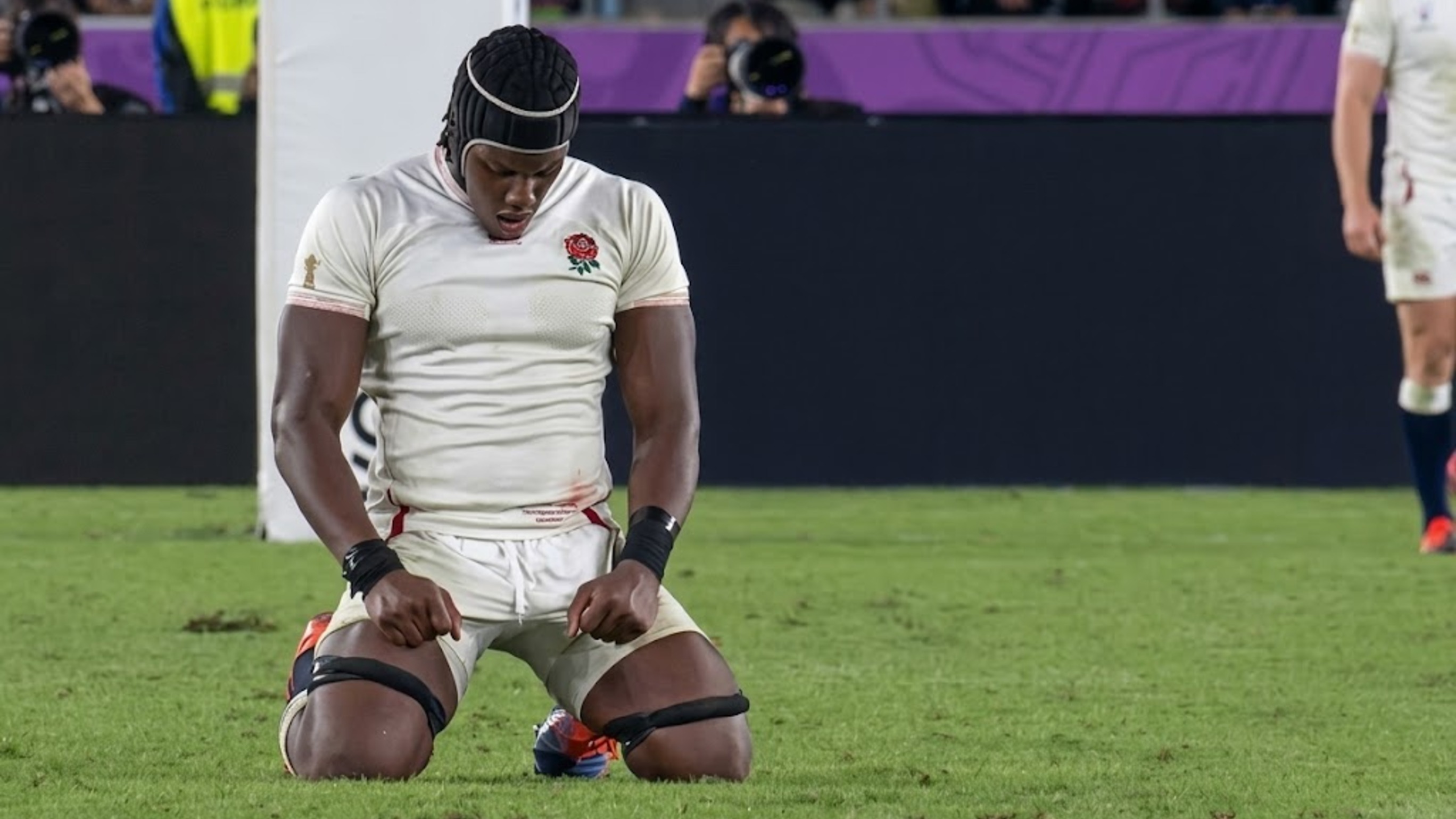
Maro Itoje has played in pretty much every England campaign since he made his international debut. This summer, for the first time, he sat one out on purpose.
He's back now, and he's telling other players they should consider doing the same thing.
Why England's captain needed convincing to rest
Head coach Steve Borthwick first raised the idea after the Six Nations, following what he called a "challenging year" for Itoje: a British and Irish Lions tour, a demanding Six Nations campaign, and the death of his mother in November. Itoje initially needed persuading. Rest isn't something elite athletes are conditioned to choose voluntarily, even when it's clearly needed.
He ultimately sat out England's Nations Championship fixtures against South Africa, Fiji and Argentina, his first full preseason with Saracens since 2014.
Why the mental recovery mattered more than the physical
Itoje was direct about which kind of rest mattered most. "I would argue that the mental recovery was far more significant than physically," he said. "Physically, I'm fine, and I was fine at the end of the season." That's a notable distinction for a sport built almost entirely around physical conditioning metrics.
He described intentionally avoiding England's July fixtures altogether, choosing not to watch live, to avoid getting emotionally pulled back in before his break was actually complete.
Why rest is usually treated as a last resort
Itoje pointed out something that applies far beyond rugby: injury is often the only socially acceptable way elite athletes get real rest. "The other way to get around it is being injured," he said. "If you are injured, you get those mental breaks and mental rest, but it comes at a cost of your injury." Voluntary rest, without an injury forcing the issue, carries none of that physical cost, but it requires a coach and player both willing to treat it as legitimate.
That's a genuine cultural shift for a sport that's traditionally equated availability with commitment.
What this could mean for how international rugby manages its stars
Itoje came back healthier than in previous seasons, with old niggles gone and a full preseason under his belt for the first time in over a decade. If a deliberate, planned break produces measurably better outcomes than pushing through fatigue, other federations have a genuine incentive to build similar breaks into their own top players' calendars, rather than waiting for an injury to force the decision.
That's a real shift in how player welfare gets managed, moving from reactive to proactive.
It also raises a difficult question about access: if rest becomes part of elite performance, will it be available only to established stars, or can national teams create systems that protect emerging players too? The answer could shape the next generation of international rugby.
England's captain just proved a voluntary break can leave a player sharper than grinding through every fixture. Is planned rest actually the smarter long-term strategy for managing elite rugby careers, or does it only work because Itoje's status let him take a break most players on the fringes of a squad could never risk?

Peres Jepchirchir Won Sydney Easily. What Makes Some Marathoners Better at Managing the Final 10K?
England vs Argentina: Why This Rivalry Never Gets Old

Kipchoge's Asterisk Is Getting Old

Why Football's Transfer Window Always Turns Into a Last-Minute Auction
How Thailand Finally Reached the Olympics, and What Its Volleyball System Can Teach Other Nations

Why September Could Be One of Sport's Most Important Months of 2026
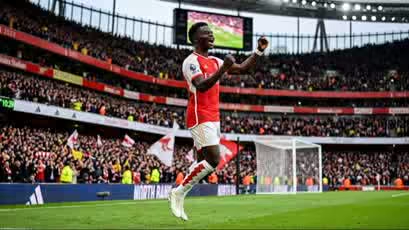
Arsenal Have Started the Title Defence Perfectly. Is Their Biggest Advantage Now Squad Depth?

The Clippers Lost Five First-Round Picks. What Happens When an NBA Team Breaks the Salary-Cap Rules?
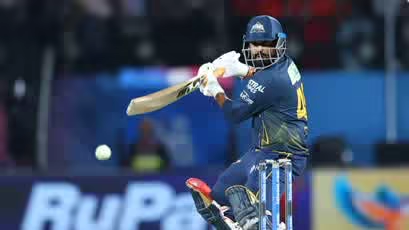
Why Cricket's Impact Player Rule Has Become a Bigger Debate Than the Matches It Changes

Papua New Guinea Is Building a Rugby League Team From Scratch. Could It Change the Sport's Map?


