




 0

Moses Itauma Was 14-0 Before His First Loss. Did Boxing Rush a Future Champion Too Quickly?
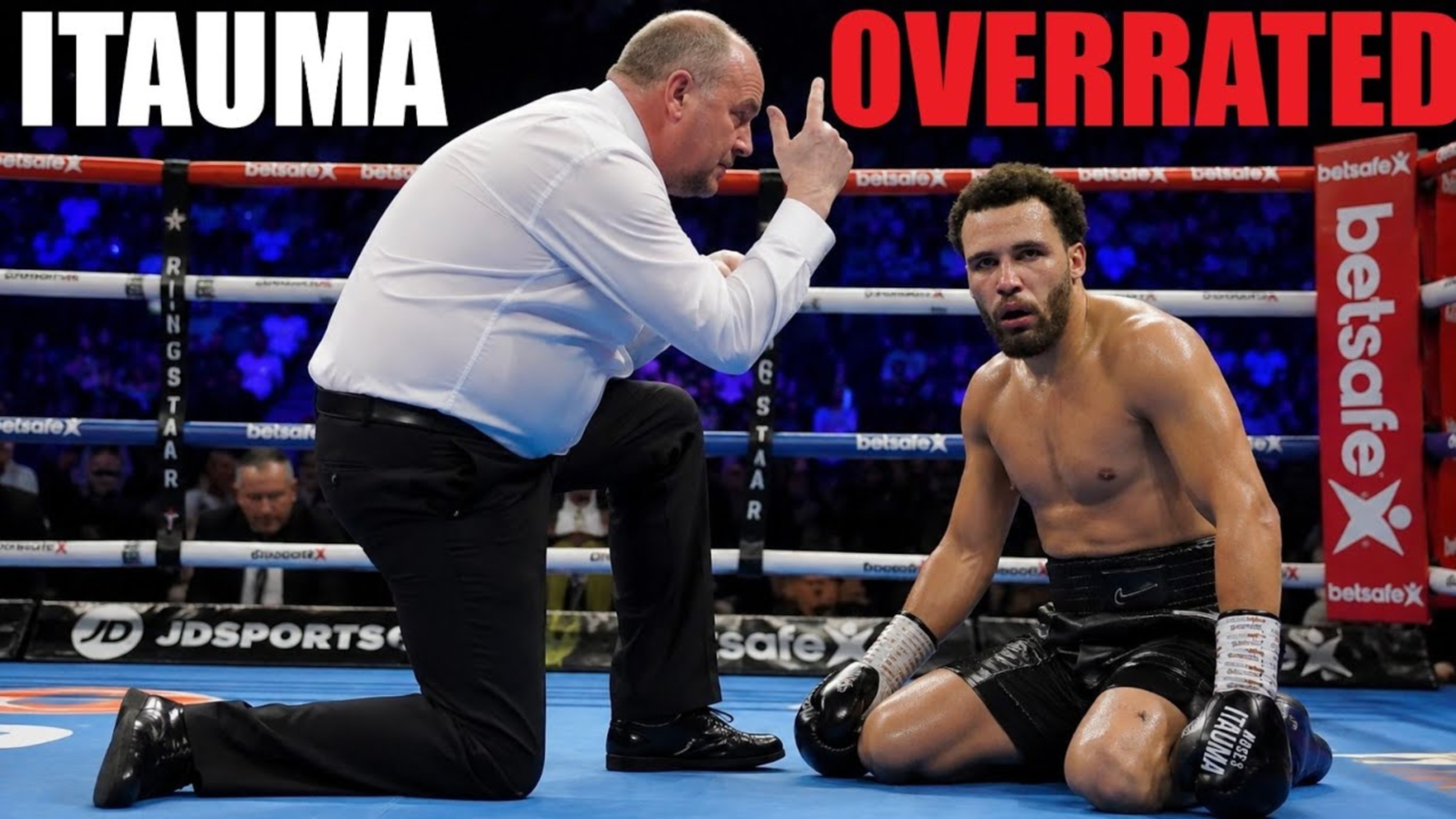
Moses Itauma dropped Filip Hrgovic in the second round. He was ahead 80-71, 80-71 and 79-72 on the official scorecards through eight rounds of a vacant IBF heavyweight title fight.
Then his conditioning collapsed. Hrgovic stopped him in the ninth round, and Itauma had to be stretchered out of the arena.
Why this loss exposed something specific
Itauma had never boxed beyond six rounds as a professional before this fight. Every previous victory came by early stoppage, nine straight knockouts inside the first two rounds at one stretch. That record made him must-watch television. It also meant nobody, including Itauma himself, actually knew what his body would do deep into a fight against an opponent who refused to break.
Hrgovic absorbed the early punishment and kept advancing, forcing the 21-year-old to sustain a pace he'd genuinely never had to sustain before in a real fight.
What actually happened once the fight reached unfamiliar territory
Itauma's punches lost force. His movement slowed. His defensive shape deteriorated as the rounds ticked past where his previous fights had always already ended. None of that reflects a lack of talent. It reflects a fighter encountering a physical demand his career simply hadn't prepared him for yet.
Hrgovic recognized the shift and attacked from the start of the ninth round, and Itauma's corner threw in the towel once he collapsed under the pressure.
Why this raises a genuine development question
Frank Warren had already compared Itauma to the trajectories of Anthony Joshua and Tyson Fury, both of whom took considerably longer, and considerably more rounds of accumulated experience, before challenging for a world title. Itauma entered this fight as an overwhelming betting favorite specifically because his highlight-reel knockouts had outpaced the deeper conditioning and championship-round experience that usually comes first.
That's the exact tension boxing keeps running into with generational talents: a fighter's punching power can create title opportunities faster than his stamina and championship experience can actually catch up to support them.
What Itauma does with this experience next
He took accountability immediately and publicly. "So yesterday wasn't my night," he said. "We attempted greatness and we just fell short to the more experienced man." He also framed it as useful information rather than a career-derailing setback, saying he gained experience he'll carry into future fights.
At 21, he has time that many prospects who suffer this kind of setback simply don't. Whether this becomes the foundation of a smarter, more gradual championship run, or a permanent dent in his trajectory, depends entirely on how his team rebuilds from here.
Itauma had the talent to be ahead on every scorecard against a genuine world champion. He didn't have the conditioning to finish what he started. Was this simply boxing exposing an inevitable gap that better matchmaking should have addressed sooner, or is a loss like this actually the fastest way for a young fighter to learn what championship rounds really demand?

Peres Jepchirchir Won Sydney Easily. What Makes Some Marathoners Better at Managing the Final 10K?
England vs Argentina: Why This Rivalry Never Gets Old

Kipchoge's Asterisk Is Getting Old

Why Football's Transfer Window Always Turns Into a Last-Minute Auction
How Thailand Finally Reached the Olympics, and What Its Volleyball System Can Teach Other Nations

Why September Could Be One of Sport's Most Important Months of 2026
Arsenal Have Started the Title Defence Perfectly. Is Their Biggest Advantage Now Squad Depth?

The Clippers Lost Five First-Round Picks. What Happens When an NBA Team Breaks the Salary-Cap Rules?
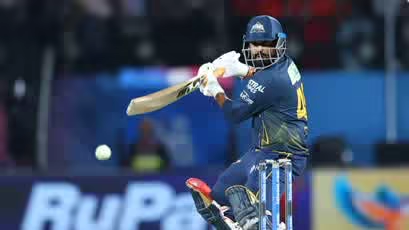
Why Cricket's Impact Player Rule Has Become a Bigger Debate Than the Matches It Changes

Papua New Guinea Is Building a Rugby League Team From Scratch. Could It Change the Sport's Map?


