




 0

Iga Swiatek Is Finding Her Game Again. Can a Change in Coaching Rebuild a Grand Slam Champion?
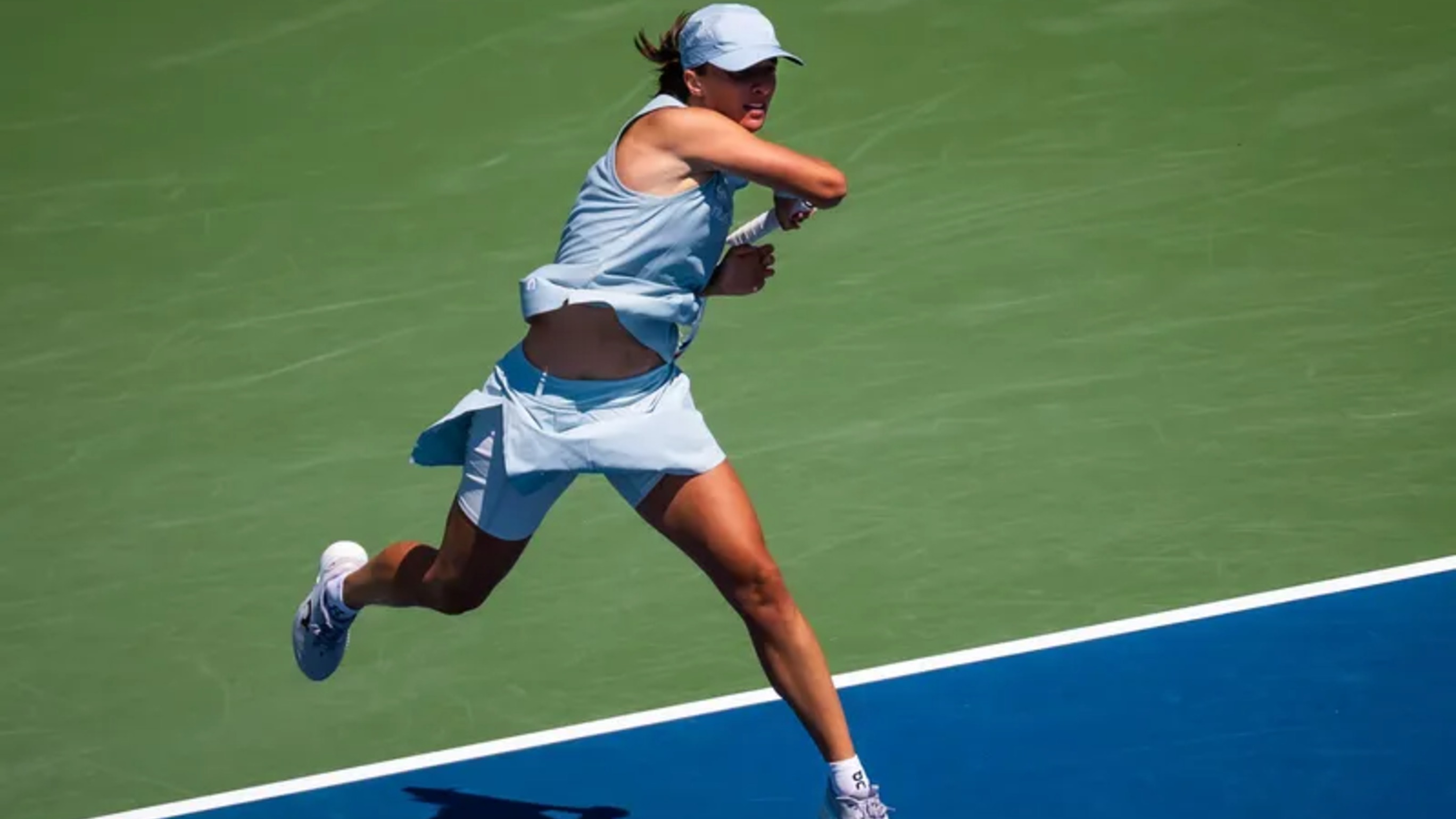
Iga Swiatek split from her coach ten days after a second-round exit in Miami dropped her out of the top three. She hired Francisco Roig, the man who spent 17 years as Rafael Nadal's alternate coach through every one of his 22 major titles, and flew to Nadal's academy in Manacor to start over.
Five months later, she cruised into the second round of the US Open. The early signs suggest something has actually changed.
Why the split happened when it did
Swiatek had won Wimbledon under her previous coach, Wim Fissette, but the partnership never found consistency beyond that one result. A rocky start to the season and a lopsided loss in Miami were enough to trigger the change, even with the clay season, historically her best stretch of the year, about to begin.
That timing mattered. Roig's specialty is a surface Swiatek already dominated, giving the new partnership a soft landing rather than an immediate test on ground she'd never proven herself on.
What actually changed technically
Swiatek has been open about the specifics. She altered her serve motion, bending her elbow more to generate additional speed, a change multiple coaches had suggested for years without her acting on it. She and Roig also worked extensively on her baseline rhythm, deliberately slowing her decision-making in long rallies rather than going for winners too early.
"We have focused a lot on rhythm, because I sometimes have a tendency to do things too fast on the court," she explained. That's a specific, describable adjustment, not a vague mental reset.
Why one coaching change can matter this much
A new coach doesn't rebuild a player's entire game from scratch. What they can do is spot the one or two habits that have quietly become a ceiling and build a targeted plan to break them. For Swiatek, that ceiling was rushing decisions under pressure and a serve that never matched the rest of her game.
Roig's own credibility helps here too. A coach who helped guide Nadal through 14 French Open titles brings a kind of trust that makes a player actually commit to an uncomfortable technical change rather than abandoning it the first time it costs her a match.
The part that isn't solved yet
Roig himself tore his Achilles tendon mid-session in Rome, had surgery two days later, and returned to coach from a wheelchair with a cast on his leg rather than miss a tournament. That's a strange footnote to a partnership still finding its footing, and it hasn't made the transition any smoother.
Swiatek's results since the change have been uneven rather than dominant: a fourth-round exit at the French Open, a third-round stumble at Wimbledon, but a strong start in New York that suggests the technical work is finally translating into matches rather than just practice sessions.
Swiatek changed one coach and two specific parts of her game rather than reinventing herself entirely. Is that targeted approach actually the more sustainable path back to the top, or does real reinvention eventually require more than fixing a serve and a rally rhythm?

Peres Jepchirchir Won Sydney Easily. What Makes Some Marathoners Better at Managing the Final 10K?
England vs Argentina: Why This Rivalry Never Gets Old
Kipchoge's Asterisk Is Getting Old

Why Football's Transfer Window Always Turns Into a Last-Minute Auction
How Thailand Finally Reached the Olympics, and What Its Volleyball System Can Teach Other Nations

Why September Could Be One of Sport's Most Important Months of 2026

Arsenal Have Started the Title Defence Perfectly. Is Their Biggest Advantage Now Squad Depth?

The Clippers Lost Five First-Round Picks. What Happens When an NBA Team Breaks the Salary-Cap Rules?
Why Cricket's Impact Player Rule Has Become a Bigger Debate Than the Matches It Changes

Papua New Guinea Is Building a Rugby League Team From Scratch. Could It Change the Sport's Map?


