




 0

Emmanuel Wanyonyi Is Getting Closer to the 800m's Impossible Number
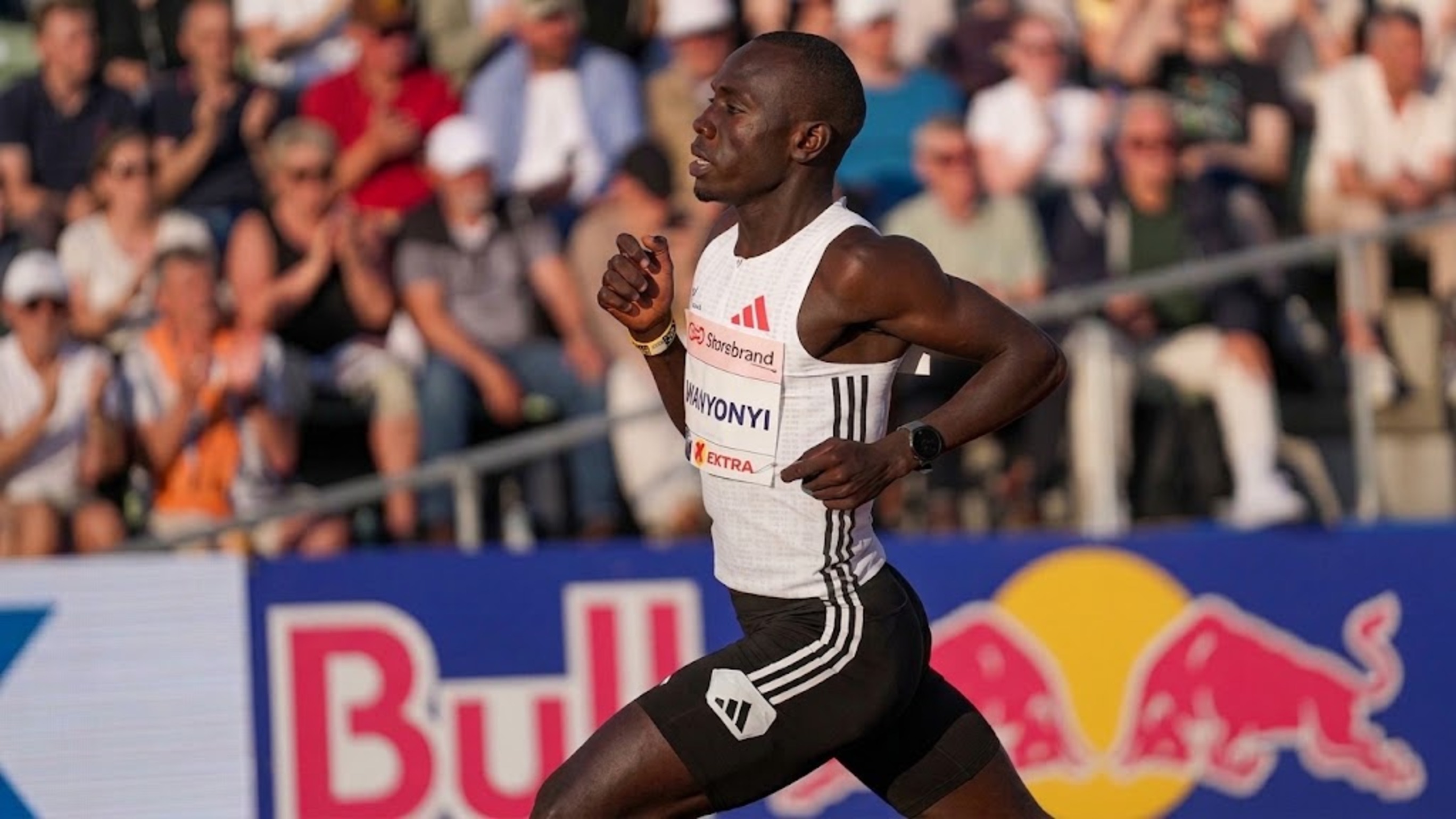
David Rudisha ran 1:40.91 at the London Olympics in 2012. Nobody has come within a full second of that time since, in an event where fractions of a second usually separate champions from also-rans. Emmanuel Wanyonyi just won his fourth consecutive Diamond League 800m title in a meet record of 1:41.80, less than a second off a mark that's stood for fourteen years.
Wanyonyi is 22 years old. He's already an Olympic champion, a world champion, and now the most decorated 800m runner in Diamond League history, surpassing his own countryman Emmanuel Korir for the record. The only number left that actually matters to him is the one still attached to Rudisha's name.
How close is genuinely close
Context matters here, because 800m world records don't move as sprint times do. Wanyonyi's personal best of 1:41.11, set in Lausanne in 2024, ties him for second on the all-time list alongside Wilson Kipketer, whose own mark stood for fifteen years before Rudisha broke it. Every one of the last seven men to hold this world record broke it for the first time between ages 21 and 25. Wanyonyi is squarely inside that window right now.
He's also tied Rudisha for the most sub-1:42 performances in history, at seven apiece. That's not a single fast race. It's sustained evidence that Wanyonyi's typical level sits closer to world-record pace than almost anyone else who has ever run this event.
What makes Rudisha's record specifically brutal
Most world records eventually fall to incremental progress, small technical or training improvements accumulating over years until someone edges past the old mark. Rudisha's has resisted that pattern entirely. Part of that comes down to how he ran it, an unusually aggressive, front-running race style that put him ahead of the field from the gun rather than saving everything for a closing kick.
Wanyonyi races the same way. His win in Brussels came from what commentators described as a wire-to-wire, tactically controlled front-running performance, the exact style that produced Rudisha's record in the first place. That's not a coincidence. It's arguably the only proven blueprint for actually threatening this specific time.
A season that's already extraordinary without the record
Even without touching Rudisha's mark, Wanyonyi's 2026 has been one of the most versatile campaigns in recent middle-distance history. He broke the 27-year-old 1000m world record in Monaco with a time of 2:11.83. He won a Kip Keino Classic 1500m in April. Now he's added a fourth straight Diamond League 800m crown on top of an Olympic gold and a world title already sitting in his trophy case.
That range matters for the record chase specifically. An athlete who can win at multiple distances across a full season, rather than peaking narrowly for one race, tends to have more margin left when a genuine record attempt finally comes together on the right night, with the right pacing, in the right conditions.
The wait for the actual attempt
Wanyonyi hasn't run the outright world record yet, and there's no guarantee he ever will. Records like this one have humbled plenty of athletes who looked closer on paper than they ultimately proved on the track. But the gap has never been this small for this long, held by an athlete this young, running in exactly the style that produced the record in the first place.
If Wanyonyi does eventually break it, does it become the more remarkable achievement precisely because Rudisha's mark resisted the sport's usual pattern of incremental progress for so long?
Peres Jepchirchir Won Sydney Easily. What Makes Some Marathoners Better at Managing the Final 10K?
England vs Argentina: Why This Rivalry Never Gets Old
Kipchoge's Asterisk Is Getting Old

Why Football's Transfer Window Always Turns Into a Last-Minute Auction
How Thailand Finally Reached the Olympics, and What Its Volleyball System Can Teach Other Nations

Why September Could Be One of Sport's Most Important Months of 2026

Arsenal Have Started the Title Defence Perfectly. Is Their Biggest Advantage Now Squad Depth?

The Clippers Lost Five First-Round Picks. What Happens When an NBA Team Breaks the Salary-Cap Rules?
Why Cricket's Impact Player Rule Has Become a Bigger Debate Than the Matches It Changes

Papua New Guinea Is Building a Rugby League Team From Scratch. Could It Change the Sport's Map?


