





 0

MLS Extends Its Transfer Window. Is American Soccer Moving Closer to the Global Football Calendar?
MLS's secondary transfer window used to close in August, weeks before most of Europe's biggest leagues finished their own business. This year, for the first time in two decades outside a pandemic-adjusted exception, it runs all the way to September 2, closing on almost exactly the same day as the Premier League.
That's not a minor scheduling tweak. It's a deliberate step toward aligning American soccer's calendar with the rest of the sport's global rhythm.
Why the old window put MLS at a disadvantage
When MLS closed its window before Europe did, American clubs were locked out of the market during exactly the period when the biggest European deals traditionally get finalized. A player available on European deadline day simply wasn't available to an MLS club anymore, because the buying window back home had already shut weeks earlier.
Extending the window into September fixes that specific problem. MLS clubs can now realistically compete for players who become available in the closing days of the European market, rather than watching that entire pool of talent from the sidelines.
The evidence that this already works
Last year's secondary window, even under the old closing date, still brought in genuine international names: Son Heung-Min to LAFC, Rodrigo De Paul to Inter Miami, Thomas Müller to Vancouver. Ten designated players signed in total, plus twelve more through the league's U22 initiative aimed at younger international talent.
A longer window aligned with Europe's calendar gives MLS clubs a better chance at repeating, and potentially expanding on, that kind of international pipeline heading into the league's playoff push.
Why this is part of a much bigger shift
The window extension follows a separate announcement that MLS will move to a summer-to-spring calendar starting in 2027, matching the schedule most major leagues around the world already follow. Currently, MLS runs from February to November, out of step with the August-to-May rhythm that governs most of European and South American football.
That larger calendar shift still faces real obstacles. The MLS Players Association hadn't yet approved the change as of this year, meaning the window extension might be the more immediately achievable piece of a broader alignment effort that's still being negotiated.
What globalization actually costs and gains a domestic league
Aligning more closely with the international calendar makes it easier for MLS clubs to sign global talent and easier for American players to eventually move abroad on a calendar that matches. It also means giving up some of the scheduling independence that let MLS run its season around North America's own climate and sporting calendar rather than Europe's.
That's a real trade-off, not a purely positive move. A league that syncs itself to the global calendar gains market access but loses a bit of the autonomy that let it build its season around what actually worked for North American audiences and weather.
MLS just took a concrete step toward matching how the rest of the football world does business. Is chasing full alignment with Europe's calendar actually the right growth strategy for a league still building its own domestic identity, or does American soccer lose something by molding itself to a schedule built for a different hemisphere?

Peres Jepchirchir Won Sydney Easily. What Makes Some Marathoners Better at Managing the Final 10K?
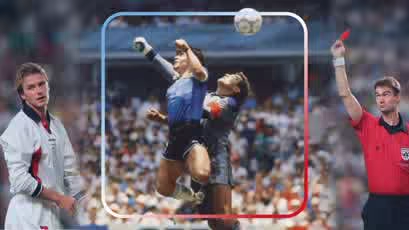
England vs Argentina: Why This Rivalry Never Gets Old

Kipchoge's Asterisk Is Getting Old

Why Football's Transfer Window Always Turns Into a Last-Minute Auction

How Thailand Finally Reached the Olympics, and What Its Volleyball System Can Teach Other Nations

Why September Could Be One of Sport's Most Important Months of 2026
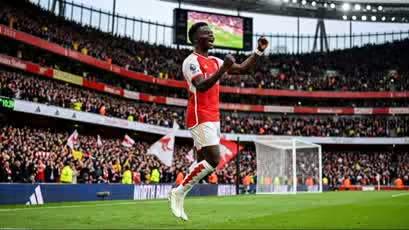
Arsenal Have Started the Title Defence Perfectly. Is Their Biggest Advantage Now Squad Depth?

The Clippers Lost Five First-Round Picks. What Happens When an NBA Team Breaks the Salary-Cap Rules?

Why Cricket's Impact Player Rule Has Become a Bigger Debate Than the Matches It Changes

Papua New Guinea Is Building a Rugby League Team From Scratch. Could It Change the Sport's Map?


