




 0

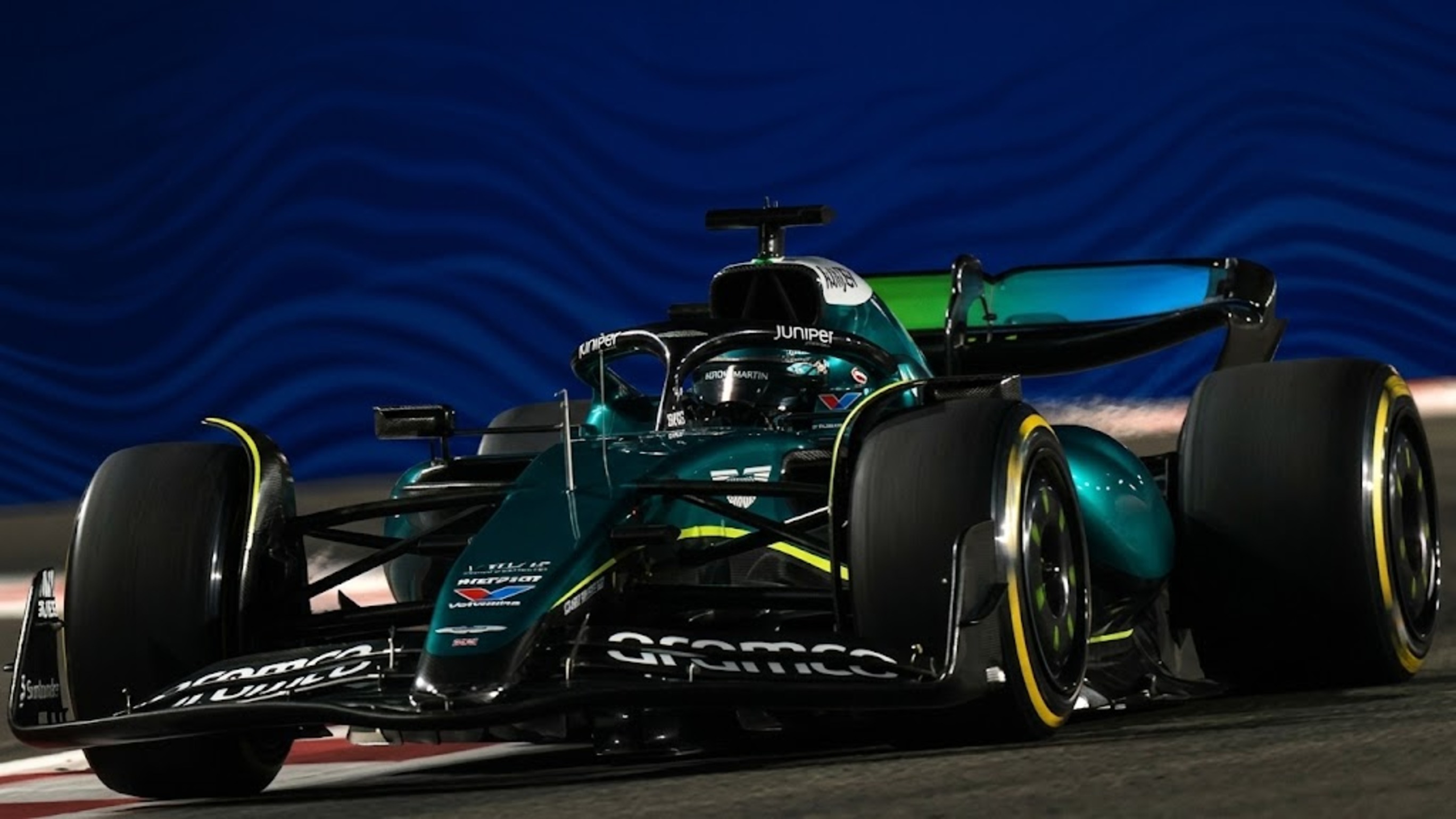
Red Bull Hired an Aston Martin Engineer. Is F1's Greatest Advantage Often the People Behind the Car?
Red Bull just confirmed the hiring of Tom McCullough, a 25-year F1 veteran, to become the team's new head of racing starting in 2027. He's replacing Gianpiero Lambiase, who's leaving for McLaren by 2028 after years spent as both head of racing and Max Verstappen's personal race engineer.
It's a single hire on paper. It's actually the latest move in one of the more significant behind-the-scenes reshuffles in the paddock.
The exodus this hire is responding to
Red Bull has lost an unusual amount of senior technical and management talent in recent years: legendary designer Adrian Newey, sporting director Jonathan Wheatley, technical figure Rob Marshall, and strategy chief Will Courtenay have all departed for rival teams. Chief engineer Paul Monaghan is expected to follow, reportedly headed for Cadillac.
McCullough's arrival, alongside the earlier signing of former Mercedes junior program head Gwen Lagrue, is Red Bull's direct answer to that drain: rebuilding senior leadership with proven outside talent rather than promoting entirely from within.
Why a race engineer hire matters this much
Casual fans tend to focus entirely on drivers and car development when they think about what makes an F1 team competitive. The reality is that race weekends are decided as much by the people managing strategy, tire calls, and real-time decision-making under pressure as by the raw pace of the car itself.
McCullough's background covers exactly that skill set. He spent over a decade at Force India, Racing Point and Aston Martin, working through multiple ownership changes and rebuilding efforts, experience that's specifically valuable to a team currently managing its own period of senior staff turnover.
Why this kind of institutional knowledge is so hard to replace
A team doesn't just lose a job title when a senior engineer leaves. It loses years of accumulated understanding about how that specific team communicates under pressure, how its strategy calls get made in real time, and the working relationships that let a pit wall function smoothly during a chaotic race. None of that transfers instantly to a replacement, no matter how talented.
That's why Red Bull's recent losses matter more than a simple staffing list suggests, and why bringing in an outsider with McCullough's specific trackside pedigree is a genuine attempt to rebuild that institutional depth rather than just filling an empty seat.
What this says about competitive advantage in modern F1
Car development gets the headlines. Engine regulations get the headlines. But the teams that consistently perform at the highest level tend to be the ones with the deepest, most experienced trackside staff, the people making split-second calls during a safety car period or a sudden weather shift that a spreadsheet can't fully prepare for.
Red Bull is betting that rebuilding that specific kind of expertise, rather than just replacing a job title, is what actually determines whether the team stays competitive once Lambiase departs for good.
Red Bull just spent real effort chasing one specific engineer with decades of trackside pedigree. Is that proof that F1's real competitive edge increasingly lives in the people managing a race rather than just the car itself, or is this simply what every team does when a key figure walks out the door?

Peres Jepchirchir Won Sydney Easily. What Makes Some Marathoners Better at Managing the Final 10K?
England vs Argentina: Why This Rivalry Never Gets Old

Kipchoge's Asterisk Is Getting Old

Why Football's Transfer Window Always Turns Into a Last-Minute Auction

How Thailand Finally Reached the Olympics, and What Its Volleyball System Can Teach Other Nations

Why September Could Be One of Sport's Most Important Months of 2026

Arsenal Have Started the Title Defence Perfectly. Is Their Biggest Advantage Now Squad Depth?

The Clippers Lost Five First-Round Picks. What Happens When an NBA Team Breaks the Salary-Cap Rules?
Why Cricket's Impact Player Rule Has Become a Bigger Debate Than the Matches It Changes

Papua New Guinea Is Building a Rugby League Team From Scratch. Could It Change the Sport's Map?


