




 0

Gaël Monfils Is 40 and Still Winning at the US Open. Why Do Some Athletes Refuse to Fade?
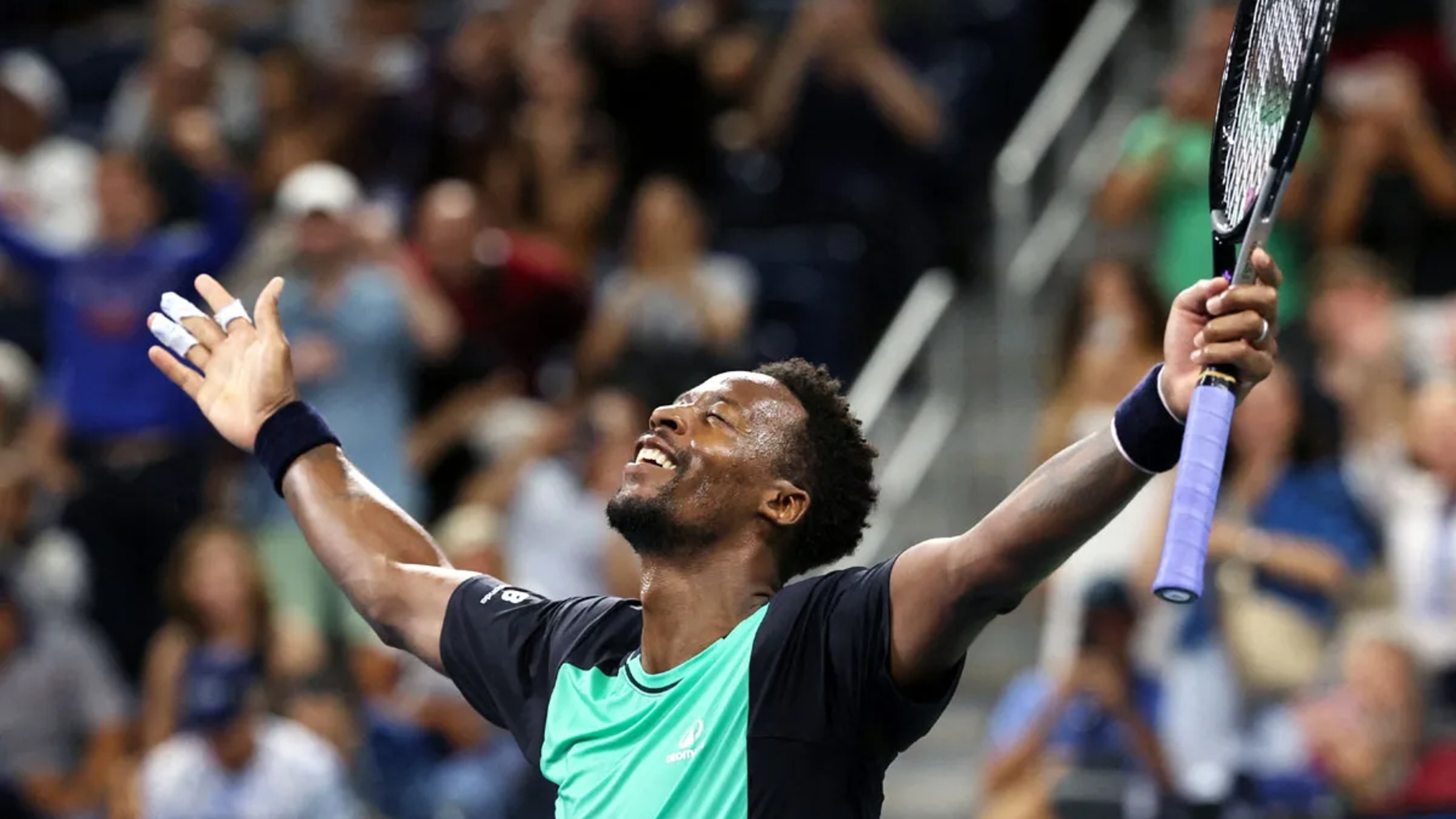
Gaël Monfils lost the first set of his US Open match 6-2. It was his 40th birthday, and by his own announcement, his final Grand Slam tournament.
He then won the next three sets 6-1, 6-2, 6-0, closing it out with an ace, while the crowd broke into an impromptu rendition of Happy Birthday during his on-court interview.
The historical company this puts him in
Monfils is now the oldest man to win a US Open main-draw singles match since Jimmy Connors, who did the exact same thing on his own 40th birthday back in 1992. That's 34 years between the two occasions, in a sport where most players have long retired by their mid-thirties.
It's not an isolated moment either. Monfils won an ATP tour title at 38 last year, becoming the oldest champion on tour since Ken Rosewall in 1977, and briefly became the oldest player ever ranked inside the ATP's top 100.
What actually keeps a body competitive at 40
Tennis at the elite level is built on explosive, repeated movement: sprinting, changing direction, absorbing impact on every groundstroke. Most players' bodies simply stop recovering fast enough to sustain that by their late thirties. Monfils has managed to keep competing anyway, and it's not because he's found some secret nobody else has access to.
It's closer to a combination of things that compound over time: a body that has genuinely aged well, a willingness to manage his schedule and training load more carefully than he did at 25, and an athletic style built on flexibility and reflexes that decline more slowly than raw explosive power does.
Why this particular win carries extra weight
This is Monfils' 18th US Open appearance and his farewell tour. He reached the semifinals here in 2016, and the tournament has been a career-long showcase for a player known across the sport for flair and athleticism as much as results. Before Tuesday, he hadn't won a Grand Slam singles match since Wimbledon's first round in 2025.
That drought makes this specific win feel less like a formality and more like a genuine last stand, delivered on the one night of the year when the birthday storyline made every point carry extra meaning for the crowd watching it happen.
What his longevity actually teaches other athletes
Monfils isn't winning majors at 40. He's winning individual matches against players half his age, which is a different and in some ways more remarkable achievement. It suggests that physical decline in elite sport isn't a fixed, universal timeline. Some athletes genuinely age slower, whether through genetics, training philosophy, or the specific physical demands of the way they play.
That's a real, if rare, phenomenon, not just a feel-good narrative applied loosely to any veteran having one good week.
Monfils is heading into retirement on his own terms, still capable of beating the tour's next generation on a good night. What does it actually take to be one of the rare athletes whose body simply refuses to read from the same decline curve as everyone else's? And could the lessons hidden in his longevity help future athletes rethink how careers are managed, extended and ultimately brought to an end?
Peres Jepchirchir Won Sydney Easily. What Makes Some Marathoners Better at Managing the Final 10K?
England vs Argentina: Why This Rivalry Never Gets Old

Kipchoge's Asterisk Is Getting Old

Why Football's Transfer Window Always Turns Into a Last-Minute Auction
How Thailand Finally Reached the Olympics, and What Its Volleyball System Can Teach Other Nations

Why September Could Be One of Sport's Most Important Months of 2026
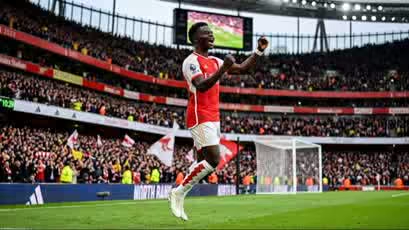
Arsenal Have Started the Title Defence Perfectly. Is Their Biggest Advantage Now Squad Depth?

The Clippers Lost Five First-Round Picks. What Happens When an NBA Team Breaks the Salary-Cap Rules?

Why Cricket's Impact Player Rule Has Become a Bigger Debate Than the Matches It Changes

Papua New Guinea Is Building a Rugby League Team From Scratch. Could It Change the Sport's Map?


